Role of Microbiomes in Asthma Management
Introduction to the Human Microbiome
A review study has explored the influence of gastrointestinal and respiratory tract microbiomes on immune responses in individuals with asthma. The human body harbors an extensive array of microbes, including bacteria, viruses, and fungi, with estimates suggesting over 100 trillion microorganisms reside primarily on the skin and mucosal surfaces, such as the gastrointestinal and respiratory tracts. This complex collection of microbes is referred to as the microbiome. The development of the human microbiome begins shortly after birth and continues until around the age of three, influenced by factors such as antibiotic use, mode of delivery, nutrition, and the biodiversity of one’s environment. It has become increasingly evident that delays or imbalances in establishing a stable microbiome are linked to an increased risk of allergies and asthma in later life.
Immunological Interactions in Mucosal Sites
The mucosal sites in the body are characterized by intricate networks of immunological interactions that enable the immune system to differentiate between beneficial and harmful microbes. These mechanisms must effectively foster immune tolerance toward the microbiome while mounting defenses against pathogens when necessary. Current understanding indicates that imbalances or disruptions in the interplay between microbiomes and immune cells can lead to heightened allergic responses and asthma, observed in both animal studies and human cases.
Research Insights from Switzerland
A Swiss study published in January 2018 in the journal Asthma Research and Practice investigated the presence of an imbalanced microbiota in the gut and lungs of asthma patients. The study also summarized existing microbial-based therapeutic approaches for these individuals.
Immune Mechanisms and the Microbiome
Immunoregulatory Effects of Bacteria
Research has identified several bacterial species that exert direct immunoregulatory effects at mucosal sites. These interactions often occur between components of bacterial cell walls or their metabolites and immune cells, particularly lymphocytes. Certain bacterial groups can promote regulatory immune responses with anti-inflammatory properties, while others may stimulate the production of pro-inflammatory molecules, thereby exacerbating inflammation. Consequently, significant imbalances in particular bacterial populations at mucosal sites can heighten susceptibility to developing asthma, allergies, and other inflammatory diseases.
The Gut Microbiome’s Influence on Asthma
Composition and Development
The gut microbiota comprises nearly 1,000 species of bacteria, making it the most extensive microbiome within the human body. It can influence immune responses in distant locations, including the lungs. By age three, the gut microbiome reaches maturity, influenced by environmental exposures such as living in microbe-rich settings (e.g., farms), antibiotic usage during pregnancy, and food diversity. Research indicates that children raised on farms have a lower likelihood of developing asthma later in life. Furthermore, the mode of delivery plays a role; babies born vaginally tend to possess gut bacteria that metabolize fiber and induce systemic anti-inflammatory effects, which are not present in those delivered via C-section.
The Respiratory Microbiome’s Role in Asthma
Understanding Lung Microbiota
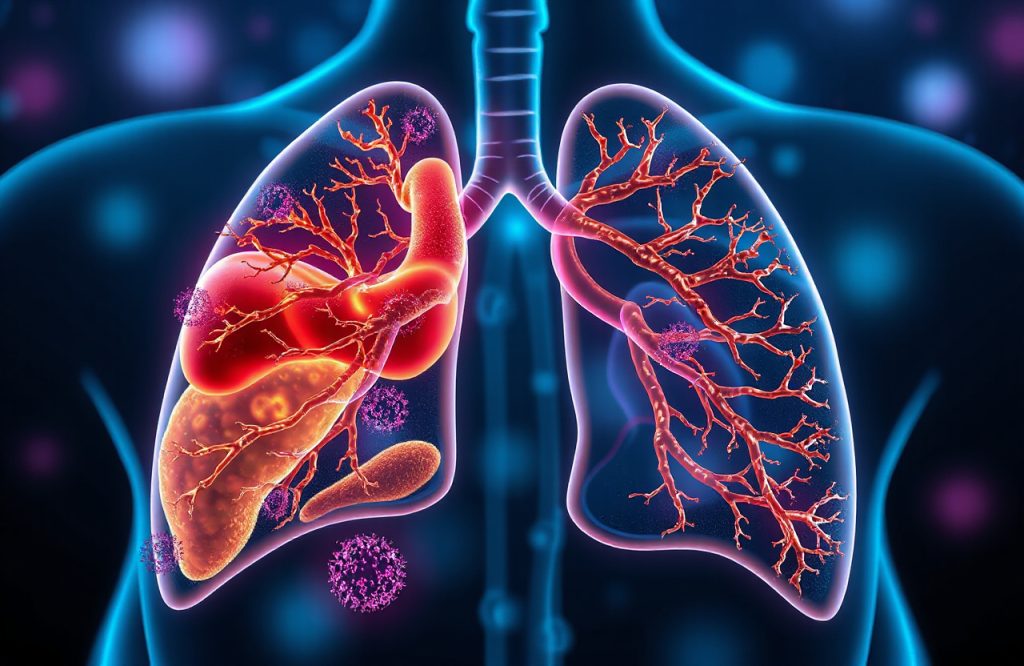
Contrary to previous beliefs that healthy lung tissue is sterile, recent studies have revealed that the respiratory mucosa hosts its own microbial population. The upper respiratory tract has a higher concentration of microorganisms, while the trachea and lungs exhibit a less dense microbiota. Certain bacterial populations are found more frequently in the upper and lower airways of adults with asthma and Chronic Obstructive Pulmonary Disease (COPD), as well as in asthmatic children. Similar to the gut microbiota, the airway microbiome develops early in life and is shaped by environmental microbial exposure, age, health status, and birth mode. Children raised in farm environments benefit from increased microbial diversity, leading to a richer nasal microbiome and a lower risk of asthma.
Microbiome Strategies for Asthma Management
Probiotics and Prebiotics
Researchers have been investigating the potential of restoring gut and lung microbiomes through probiotics and prebiotics in asthma patients. Probiotics, commonly found in yogurt, consist of beneficial bacteria that help regulate harmful bacterial growth, while prebiotics are undigestible carbohydrates that serve as food for probiotics. One study suggests that a combination of probiotics, fish oils, and vegetable extracts may enhance pulmonary function in children with asthma. However, due to insufficient evidence, the use of prebiotics or probiotics is not yet recommended as a treatment or preventive measure for asthma.
Future Perspectives on Microbiome Research
Need for Further Studies
While it is evident that the microbiota significantly impacts immune maturation and that imbalances in gut and lung microbiomes are closely related to asthma, the molecular mechanisms underlying these immunoregulatory processes remain to be fully elucidated. Moreover, future research must focus on human studies, as the majority of current investigations have employed animal models, which may not fully reflect human conditions.
Written by Gustavo Caetano, B.Sc., M.Sc.
References
(1) Sokolowska M, Frei R, Lunjani N, Akdis C A, O’Mahony L. Microbiome and Asthma. Asthma Research and Practice 2018; 1-9. (2) Smith, M W. (2012, December 12). Probiotics and Prebiotics: Ask the Nutritionist. Retrieved from https://www.webmd.com/vitamins-and-supplements/nutrition-vitamins-11/probiotics (3) Jewell T. (2017, September 19). What Causes Dysbiosis and How Is It Treated?. Retrieved from https://www.healthline.com/health/digestive-health/dysbiosis