Study Examines Aging Brain Processes in Mice
Dietary Restrictions and Cognitive Function
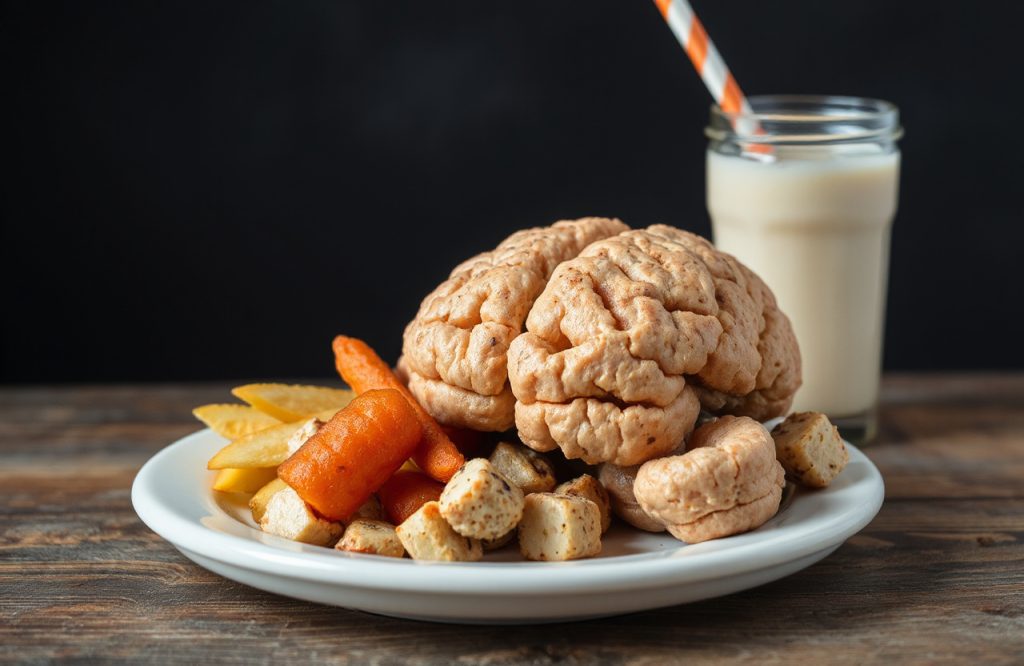
A recent study published in Cell Reports investigates how dietary restrictions impact aging brain processes in mice. The research focuses on mice that were given a 20% reduction in caloric intake along with a low-protein, high-carbohydrate diet. The notion that “eating less can lead to a longer life” has become a well-accepted scientific principle. Different dietary patterns are associated with varying health outcomes; for instance, a high-carbohydrate diet is often linked to obesity, while a low-protein diet may result in muscle dysfunction. However, the relationship between diet and cognitive function remains less understood.
Research Questions
The study raises critical questions about dietary restrictions and their potential to support cognitive health. Can these dietary changes ensure effective memory retention and brain function? Is skipping meals a viable strategy to stave off cognitive decline in aging individuals? With no current medication available to treat or prevent dementia, dietary intake modification presents a promising avenue for influencing the health of the aging brain.
Methodology and Findings
Australian researchers aimed to determine whether a high-carbohydrate, low-protein diet could be as beneficial for maintaining cognitive health as a 20% caloric restriction in mice. The mice consumed carbohydrates from starch and proteins from sources such as cheese and milk. The study specifically analyzed the biological health of the hippocampus, a brain region particularly vulnerable to damage in Alzheimer’s disease, alongside the working memory and learning abilities of the mice.
The findings, published in Cell Reports, indicate that the hippocampus of mice following the low-protein, high-carbohydrate diet exhibited greater health compared to those subjected to caloric restriction. While both groups displayed similar aging brain symptoms, all mice demonstrated enhanced working memory and improved learning capabilities.
Conclusion and Implications
Despite some limitations in the experimental design, the study concludes that a low-protein, high-carbohydrate diet may provide significant advantages for preserving the health of an aging brain, potentially surpassing the benefits of simple caloric restriction. This is especially relevant in affluent Western societies, where adhering to caloric restrictions can be challenging.
Reference
Wahl D, Solon-Biet SM, Wang QP, Wali JA, Pulpitel T, Clark X, Raubenheimer D, Senior AM, Sinclair DA, Cooney GJ. Comparing the Effects of Low-Protein and High-Carbohydrate Diets and Caloric Restriction on Brain Aging in Mice. Cell Reports, 2018.