Impact of Reduced Mobility on Quality of Life in Older Adults
Study Overview
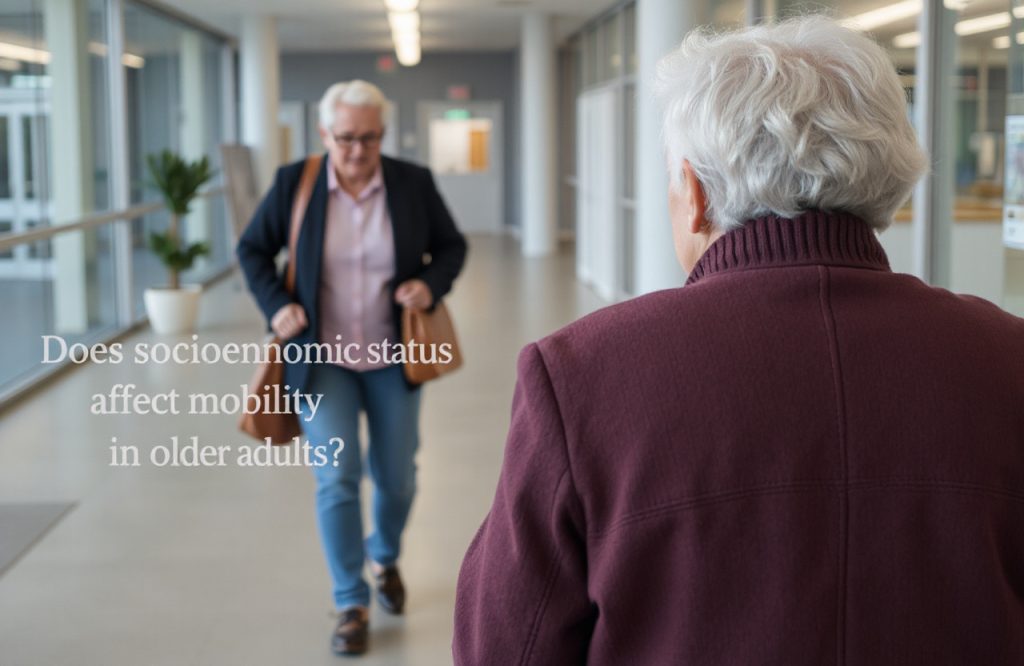
Recent research has highlighted that older adults with diminished mobility and slower walking speeds often experience a lower quality of life. The study aimed to determine whether low socioeconomic status (SES) serves as a risk factor for slower walking speeds and overall health in this demographic.
Significance of Healthy Aging
Aging is frequently accompanied by various health issues. While advancements in modern medicine have successfully extended lifespan, the quality of life remains a crucial consideration. Consequently, researchers are increasingly concentrating on healthy aging and identifying factors that contribute to it.
Importance of Walking Speed
An essential measure of health among older adults is their ability to perform routine physical activities, particularly walking. Research indicates that walking speed tends to decline with age. Older adults exhibiting lower walking speeds face higher risks of hospitalization, cognitive decline, and reduced lifespan.
Research Methodology
Collaboration Across Multiple Studies
A global team of researchers synthesized results from numerous studies conducted worldwide to explore how various health, behavioral, and social factors correlate with walking speeds in older adults. Their findings were published in The BMJ, a journal associated with the British Medical Association.
Data Collection
The researchers re-analyzed data from 37 studies that measured walking speed while gathering information on health and social status in older adults. Conducted over the past three decades across 24 countries in Europe, North America, South America, Africa, and Asia, the research included over 100,000 participants aged between 45 and 90, equally split by gender.
Health and Behavioral Factors Analyzed
The studies examined health issues such as obesity, high blood pressure, and diabetes, along with behavioral risk factors like smoking, excessive alcohol consumption, and physical inactivity. Socioeconomic status was estimated based on participants’ reported job types, categorizing unskilled workers as low SES and high-level managers as high SES.
Findings on Walking Speed and Socioeconomic Status
Age-Related Decline in Walking Speed
As anticipated, the study confirmed that older adults exhibit significantly lower walking speeds compared to younger individuals. In men, the average walking speed decreased from 1.2 meters/second (3.9 feet/second) at age 45 to 0.95 meters/second (3.1 feet/second) by age 90. For women, the decline was from 1.15 meters/second (3.8 feet/second) to 0.81 meters/second (2.7 feet/second). The decline in walking speed accelerated between ages 65 and 70 for both genders.
Link Between Low SES and Health Problems
The study revealed that older adults with health issues such as diabetes, high blood pressure, or obesity exhibited slower walking speeds. Participants suffering from these conditions walked at speeds comparable to healthier individuals several years their senior. For instance, a 60-year-old with obesity and diabetes walked as slowly as a healthier 66-year-old.
Impact on Lifespan
The researchers tracked participants over several years to assess the impact of risk factors on mortality rates between ages 60 and 85. They found that low SES, high blood pressure, diabetes, physical inactivity, high alcohol consumption, and smoking were linked to significantly shorter lifespans, with differences ranging from 2 to 17 months. Obesity was found to shorten lifespan in women but not in men.
Conclusion and Implications
Socioeconomic Status as a Risk Factor
While the researchers acknowledged limitations in their study, including variations in how walking speed was measured and the observational nature of the studies, they concluded that low SES is a significant risk factor for decreased mobility in older age. This effect is comparable to traditional health risks such as obesity or age-related diseases like diabetes.
Recommendations for Health Policies
The findings suggest that low SES is associated with a prolonged period of poor health and reduced quality of life among older adults. The researchers advocate for health policies aimed at promoting healthy aging to consider socioeconomic status as a critical factor.
Reference
Stringhini, S., et al. Socioeconomic status, non-communicable disease risk factors, and walking speed in older adults: multi-cohort population based study. BMJ 360 (2018).