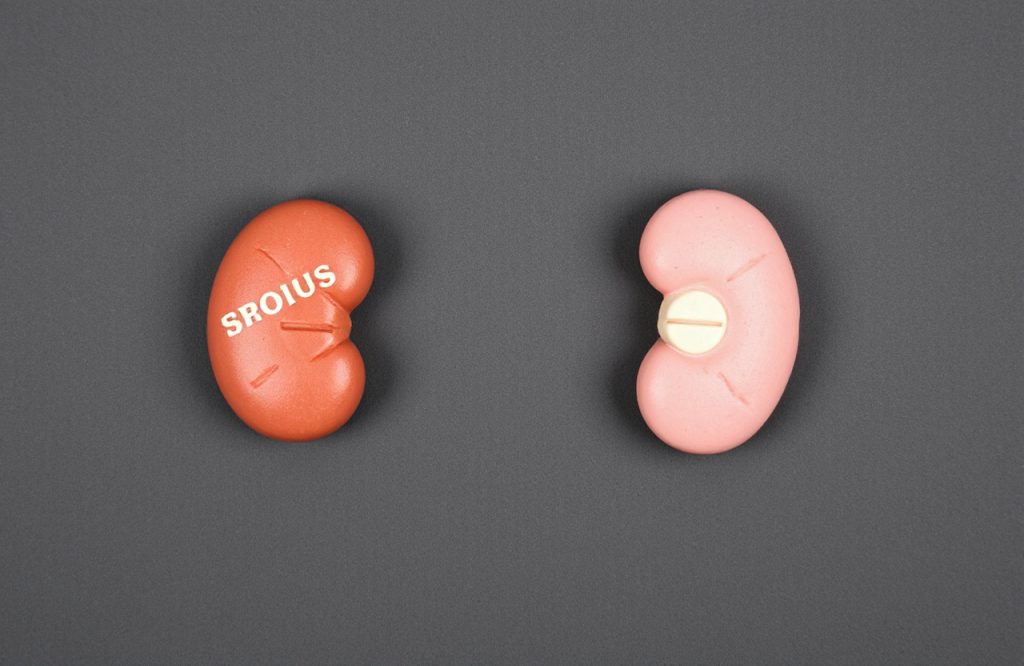
Study Links Acid Reflux Medications to Kidney Disease Risks
Overview of Acid Reflux
Researchers from the University of California have conducted an evaluation of the FDA reporting database to explore the connections between acid reflux medications and the risk of kidney-related diseases. Acid reflux, commonly referred to as heartburn or acid indigestion, is characterized by a burning sensation in the lower chest that occurs when stomach acid backs up into the esophagus. This condition can also lead to symptoms such as hoarseness, difficulty swallowing, chest pain, and bad breath. According to the Canadian Society of Intestinal Research, approximately 13% of Canadians experience acid-related symptoms weekly, with nearly one-quarter facing heartburn on a daily basis.
Over-the-Counter Acid Reflux Medications
Many individuals suffering from acid reflux self-medicate without consulting a physician. A variety of over-the-counter options are available, including antacids, H-2 receptor blockers, and proton pump inhibitors (PPIs). Notably, PPIs are listed among the essential medicines by the World Health Organization (WHO) for managing painful and disruptive acid-related symptoms. However, recent research has raised concerns regarding the link between PPIs and acute kidney injury.
Research Findings on Proton Pump Inhibitors
In a study published in Scientific Reports – Nature, researchers from the University of California, San Diego, analyzed post-marketing surveillance data to assess the consequences of PPI use. The study examined over 42,500 cases from the FDA Adverse Effect Reporting System database, establishing a clear association between PPI exposure and an increased risk of kidney-related diseases.
Increased Risk of Kidney Disease
The findings revealed that patients using only proton pump inhibitors had a significantly higher risk (5.6%) of experiencing kidney-related adverse reactions compared to just 0.7% for those taking H-2 receptor blockers. Furthermore, these patients were found to be 35, 28, 8, and 4 times more likely to develop end-stage renal disease, chronic kidney disease, unspecified kidney impairment, and acute kidney injury, respectively. This study represents the first confirmation of the effects of PPIs, highlighting various degrees of electrolyte and renal abnormalities.
Conclusion and Future Research
Proton pump inhibitors are relatively affordable and widely available medications. However, this study indicates that their use may elevate the risk of kidney diseases. Further clinical trials are necessary to establish a causal relationship between PPI usage and the actual risk of kidney disease in humans.
Written by Man-tik Choy, Ph.D.
Reference: Makunts, T. et al. Analysis of postmarketing safety data for proton-pump inhibitors reveals increased propensity for renal injury, electrolyte abnormalities, and nephrolithiasis. Scientific Reports, 2019;9:2282. DOI: 10.1038/s41598-019-39335-7.