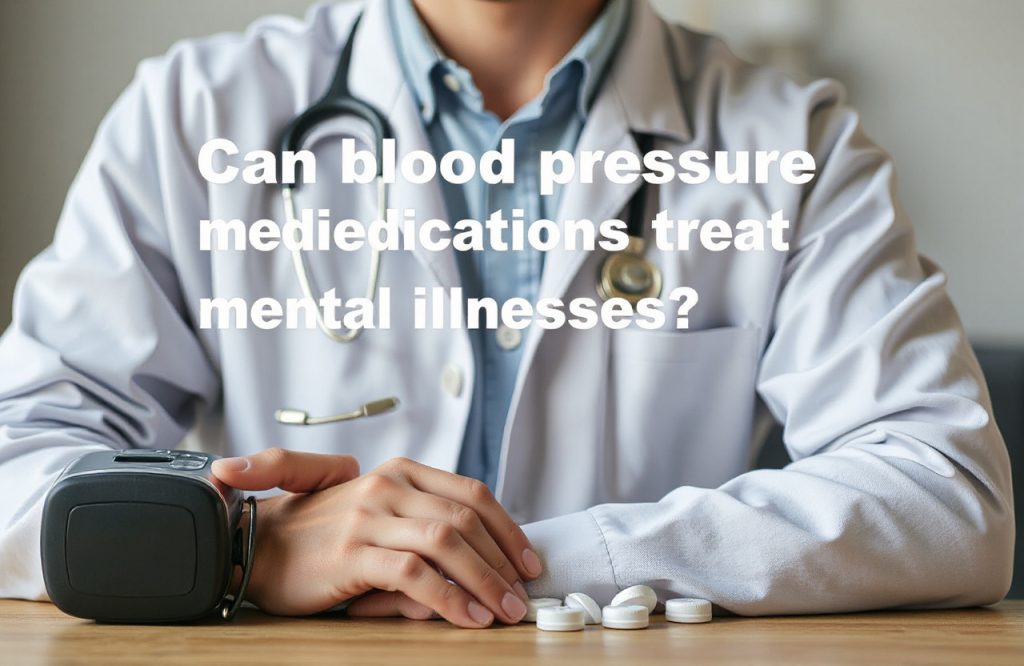
Investigation of Medications for Serious Mental Illness
Study Overview
A recent study explored whether medications typically prescribed for chronic physical conditions could be effective in treating individuals with serious mental illness. Serious mental illnesses, such as schizophrenia, bipolar disorder, and non-affective psychoses, present significant treatment challenges.
Potential for Drug Repurposing
Some medications that were originally developed for unrelated conditions may be repurposed for mental health treatment. Among these, statins, calcium channel blockers, and biguanides are commonly prescribed for high cholesterol, high blood pressure, and diabetes. Their broad availability makes them prime candidates for drug-repurposing studies.
Research Details
Researchers from the Karolinska Institute in Sweden and the University of Hong Kong examined the effects of these medication classes on individuals with serious mental illnesses. They analyzed 40 years of data from Sweden’s national registers, focusing on drug prescription information, inpatient records, and sociodemographic details for 142,691 individuals diagnosed with serious mental illnesses.
Findings
The study compared rates of psychiatric hospitalization and self-harm incidents among patients while on and off the study drugs. The findings, published in JAMA Psychiatry, indicated that patients who were exposed to these medications had a lower likelihood of being hospitalized for psychiatric disorders compared to those who were not. Additionally, patients with bipolar disorder and schizophrenia who took these medications exhibited reduced rates of self-harm. Notably, these results were consistent regardless of whether patients were also receiving medications specifically for their mental illnesses.
Conclusion and Future Research
This study is pioneering in utilizing large-scale population data to assess the effects of these medications on serious mental illnesses. While statins, calcium channel blockers, and biguanides are known to influence the central nervous system, the precise mechanisms behind their effects on mental health remain unclear. The authors recommend further studies to explore the potential for repurposing these drugs in a complex therapeutic area.
Author Information
Written by Agustin Dominguez Iino, BSc.
Related Topics of Interest
– Could blood pressure treatment be harmful to older seniors?
– Is poor oral health linked to worse blood pressure control?
– Nitrate-rich vegetables and the myth of lowering blood pressure
– Can stricter blood pressure control prevent dementia?
– The role of ambulatory blood pressure monitoring in preventing premature deaths
– How do smoking, diabetes, and blood pressure contribute to heart attacks in women?
Reference
Hayes JF et al. Association of HydroxylmethylGlutaryl Coenzyme A Reductase Inhibitors, L-Type Calcium Channel Antagonists, and Biguanides With Rates of Psychiatric Hospitalization and Self-Harm in Individuals With Serious Mental Illness. JAMA Psychiatry. 2019 Jan 9. doi: 10.1001/jamapsychiatry.2018.3907. [Epub ahead of print]