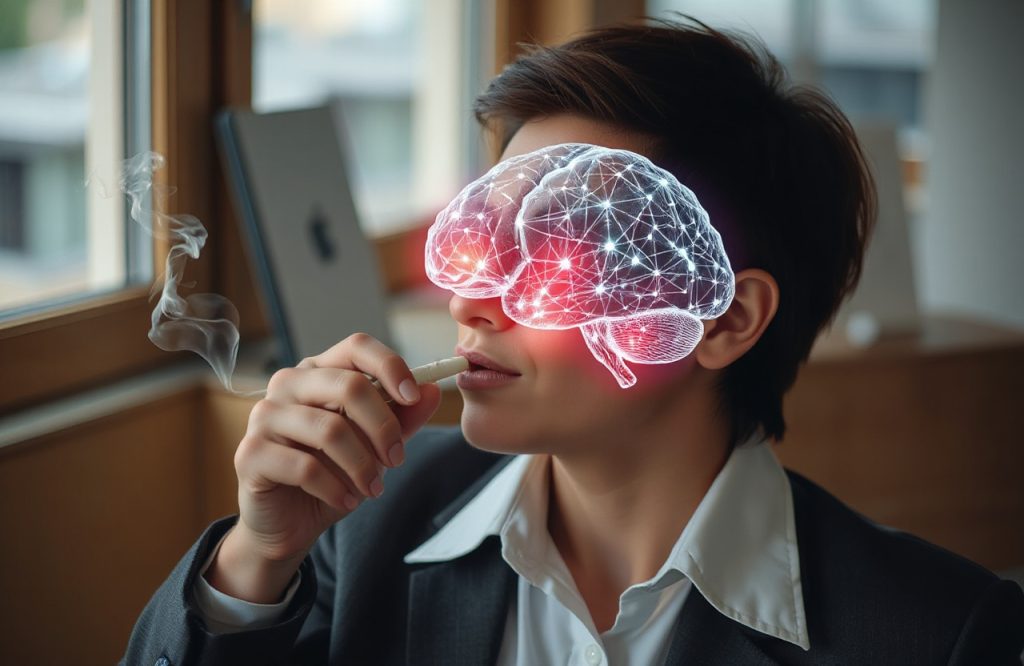
Research on Brain Imaging and Addiction to Nicotine and Alcohol
Prevalence of Smoking and Drinking
Recent statistics from the World Health Organization (WHO) reveal the widespread use of cigarettes and alcohol, with over 1.1 billion smokers and approximately 2.3 billion current drinkers globally. These high-risk behaviors significantly contribute to health issues, resulting in around 7 million deaths each year due to tobacco-related illnesses. Understanding the underlying factors leading to these addictive behaviors is crucial for effective intervention.
Study Overview
Researchers from the University of Warwick conducted a study to explore functional brain differences between individuals who smoke and those who consume alcohol. Their findings were published in the journal eLIFE. The study utilized data from the Human Connectome Project, which included functional magnetic resonance imaging (fMRI) scans of individuals in the general population. fMRI technology assesses brain activity by measuring connections between different brain regions during rest.
Findings on Brain Connectivity
The study analyzed brain connectivity patterns in over 800 participants who were either smokers or drinkers. The results revealed distinct connectivity characteristics between the two groups.
Connectivity in Smokers
Smokers exhibited low overall brain connectivity. Notably, there were weaker connections between the lateral orbitofrontal cortex and the inferior frontal gyrus, regions involved in behavior modification. This weakened connectivity may hinder smokers’ ability to quit. Additionally, the stimulating effects of nicotine might enhance communication among various brain regions, leading smokers to rely on cigarettes to compensate for these deficits.
Connectivity in Drinkers
In contrast, drinkers displayed high overall brain connectivity, particularly within reward-related systems such as the medial orbitofrontal cortex and the cingulate cortex. This enhanced connectivity suggests that drinkers may have a heightened sensitivity to the rewarding aspects of alcohol consumption.
Impact of Consumption on Brain Connectivity
The researchers found that the degree of brain connectivity changes in both smokers and drinkers correlated with their levels of alcohol and nicotine intake. Significant brain alterations were observable even in individuals with minimal consumption, such as those smoking just a few cigarettes or consuming a single unit of alcohol daily.
Longitudinal Insights and Implications
To validate their findings, the researchers compared the fMRI data from the Human Connectome Project with that of the IMAGEN brain scanning study. This comparison revealed that the brain changes associated with smoking and drinking were already present in 14-year-olds who would later engage in these behaviors by age 19. This suggests that inherent functional connectivity differences in the brain may predispose individuals to smoking or drinking.
Future Directions in Prevention and Treatment
Professor Jianfeng Feng, a lead author of the study, emphasized the significance of these discoveries in enhancing our understanding of the neurological underpinnings of smoking and drinking. He noted that these findings could have implications for future strategies aimed at preventing and treating substance addiction.
References
Cheng W, Rolls, ET, Robbins TW, et al. Decreased brain connectivity in smoking contrasts with increased connectivity in drinking. eLIFE 2019;8:e40765.
Press release, University of Warwick, Jan 8 2019. Different brain areas linked to smoking and drinking. Science Daily https://www.sciencedaily.com/releases/2019/01/190108095119.htm