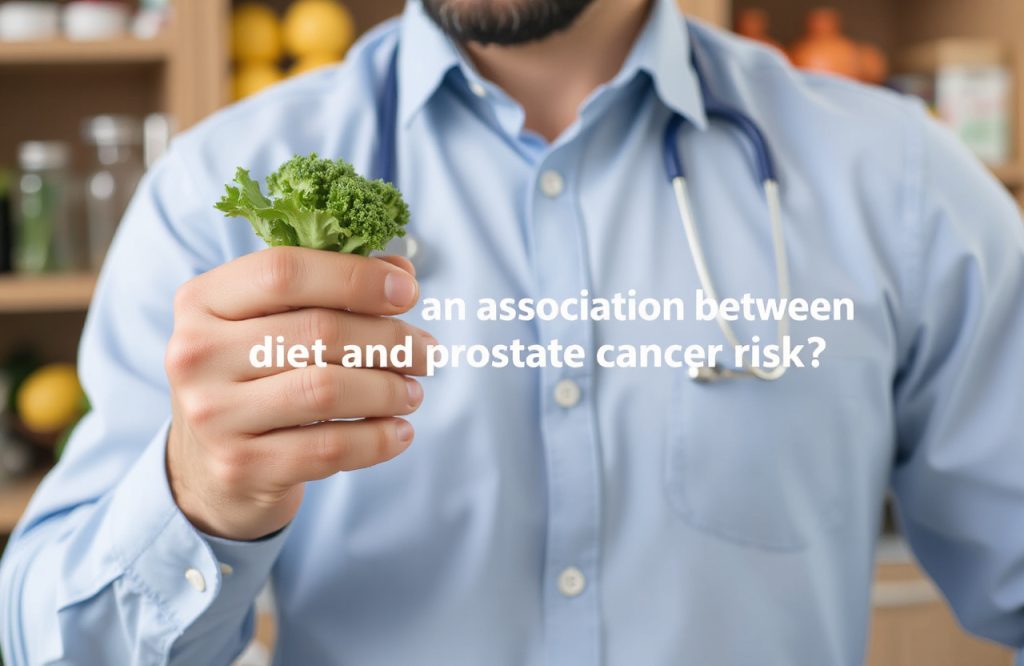
Research on Diet and Prostate Cancer Risk
Overview of Prostate Cancer in Canada
Prostate cancer represents a significant health concern, with approximately one in nine Canadian men facing a diagnosis during their lifetime. This form of cancer is one of the most prevalent among men.
Dietary Associations with Prostate Cancer
There is growing evidence indicating that plant-based foods, particularly vegetables, may be linked to a lower risk of developing prostate cancer. Conversely, animal-based products, including meat and dairy, appear to be associated with an increased risk of this disease.
Details of the Comprehensive Review
A thorough review led by researchers from the Mayo Clinic aimed to explore the relationship between plant- and animal-based diets and prostate cancer risk. The findings were published in The Journal of the American Osteopathic Association. The review involved an extensive search of scientific literature across multiple databases, including Ovid Medline, PubMed, and Embase.
The researchers analyzed 47 studies published between 2006 and 2017, encompassing more than one million human participants. This extensive data collection allowed for a comprehensive assessment of the impact of dietary patterns on prostate cancer risk.
Key Findings of the Review
The results indicate that adhering to a plant-based diet is linked to a reduced risk of developing prostate cancer. While the review did not establish a definitive connection between animal products, such as meat and fish, and prostate cancer risk, it did find that higher dairy consumption correlated with an increased risk.
The authors expressed concern regarding high dairy intake, advocating for a shift towards plant-based dietary options.
Calcium’s Role in Diet and Prostate Cancer
The researchers also suggested that calcium might play a significant role in the relationship between diet and prostate cancer risk, given that dairy serves as a primary calcium source in Western diets. The high consumption of dairy products in Western countries aligns with a higher incidence of prostate cancer, whereas lower dairy intake in Asian countries corresponds with a reduced risk.
Future Research Directions
Dr. Shin, the lead author of the study, emphasized the necessity for further research to clarify the connections between diet and prostate cancer risk. Future studies may include randomized controlled trials to validate these findings. Additionally, the need to consider non-dietary lifestyle factors such as smoking and physical activity in future research is highlighted to ensure comprehensive understanding in dietary studies.
References
Shin J, Millstine D, Ruddy B, et al. (2019). Effect of Plant- and Animal-Based Foods on Prostate Cancer Risk. The Journal of the American Osteopathic Association. doi: 10.7556/jaoa.2019.123
Mayo Clinic researchers find dairy products associated with higher risk of prostate cancer. (2019, October 21). Retrieved from https://www.eurekalert.org/pub_releases/2019-10/aoa-mcr101819.php
Prostate cancer statistics. https://www.cancer.ca/en/cancer-information/cancer-type/prostate/statistics/?region=on
Image by Дарья Яковлева from Pixabay