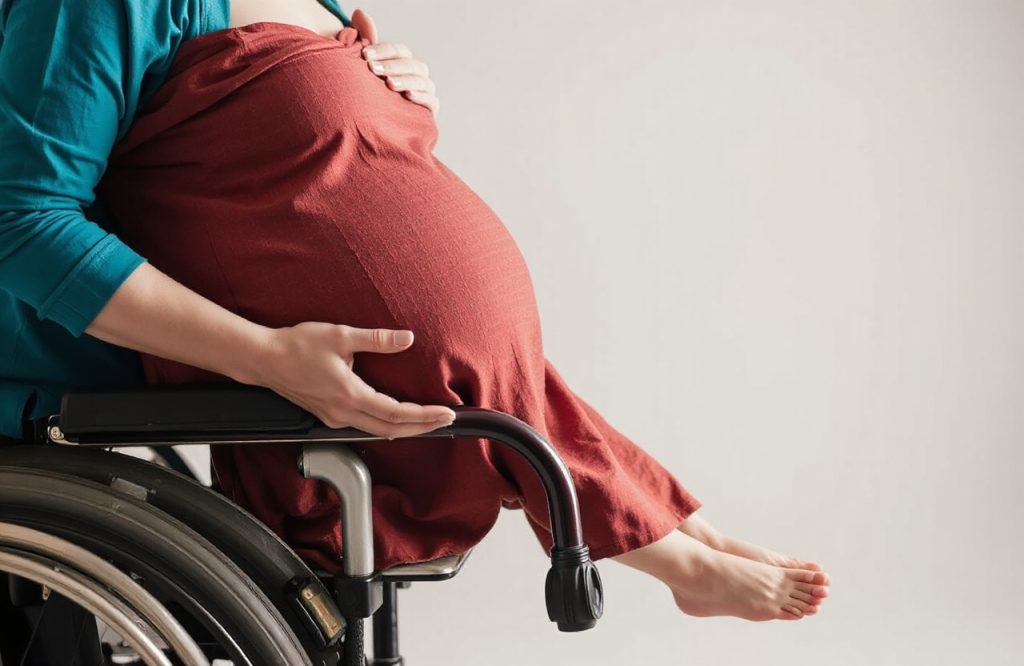
Study Reveals Higher Miscarriage Rates Among Women with Disabilities
Understanding Miscarriage
A recent study has highlighted that women with disabilities are at an increased risk of experiencing miscarriage, defined as an unplanned loss of pregnancy within the first twenty weeks of gestation. It is estimated that approximately one in four pregnancies culminates in miscarriage, with over 80% occurring within the initial twelve weeks. While the precise causes of miscarriage remain largely unknown, several risk factors have been identified, including advanced maternal age, underlying health conditions, obesity, heavy alcohol consumption, smoking, and recreational drug use. It is essential to recognize that many miscarriages occur for reasons that are not yet understood. Ongoing research aims to unravel the complexities surrounding miscarriage and identify preventive measures.
Disabilities and Pregnancy
Disability encompasses a variety of forms, including psychological, cognitive, visual, auditory, physical, invisible, independent living, and brain injuries. Women with disabilities are just as likely to conceive as those without disabilities. However, despite increasing research into miscarriage causes, there is limited understanding of its impact on women with disabilities.
Details of the Research Study
The groundbreaking research published in the Journal of Women’s Health examined miscarriage and associated medical care among women with different disabilities. The study analyzed data from 3,843 women who had at least one completed pregnancy over a five-year period. It compared miscarriage rates between women with cognitive, physical, or independent living disabilities and those without disabilities in the United States. The findings indicated that women with disabilities were more prone to miscarriages in the last five years compared to their non-disabled counterparts.
Findings on Independent Living Disabilities
Among women who experienced miscarriages, those with independent living disabilities were notably more likely to have suffered two or more miscarriages compared to women without disabilities. This was observed even though women with independent living disabilities had access to more miscarriage prevention services. Additionally, women with physical disabilities were more frequently advised to engage in bed rest or limit physical activity to mitigate miscarriage risks. However, it is important to note that there is no substantial evidence indicating that bed rest can prevent miscarriage, yet it remains a common recommendation for women at risk.
Implications of the Study
These findings prompt a critical inquiry into why women with disabilities face higher rates of miscarriage, despite often receiving more preventive care. Further research is necessary to clarify the relationship between disability and miscarriage risk, which could enhance miscarriage prevention services and care for at-risk women.
Breaking the Taboo
Pregnancy loss is often a taboo subject, despite its prevalence affecting numerous women and families. Research like this plays a vital role in dismantling the stigma and fostering greater awareness and understanding of this profound but common issue.
References
Dissanayake, M., Darney, B., Caughey, A., & Horner-Johnson, W. (2019). Miscarriage Occurrence and Prevention Efforts by Disability Status and Type in the United States. Journal of Women’s Health.
Horner-Johnson, W., Kulkarni-Rajasekhara, S., Darney, B., Dissanayake, M., & Caughey, A. (2017). Live birth, miscarriage, and abortion among U.S. women with and without disabilities. Disability and Health Journal, 10(3), pp.382-386.
Tommy’s. (2019). Tommy’s – How common is miscarriage? [online] Available at: https://www.tommys.org/pregnancy-information/im-pregnant/early-pregnancy/how-common-miscarriage [Accessed 4 Dec. 2019].
Image by StockSnap from Pixabay.