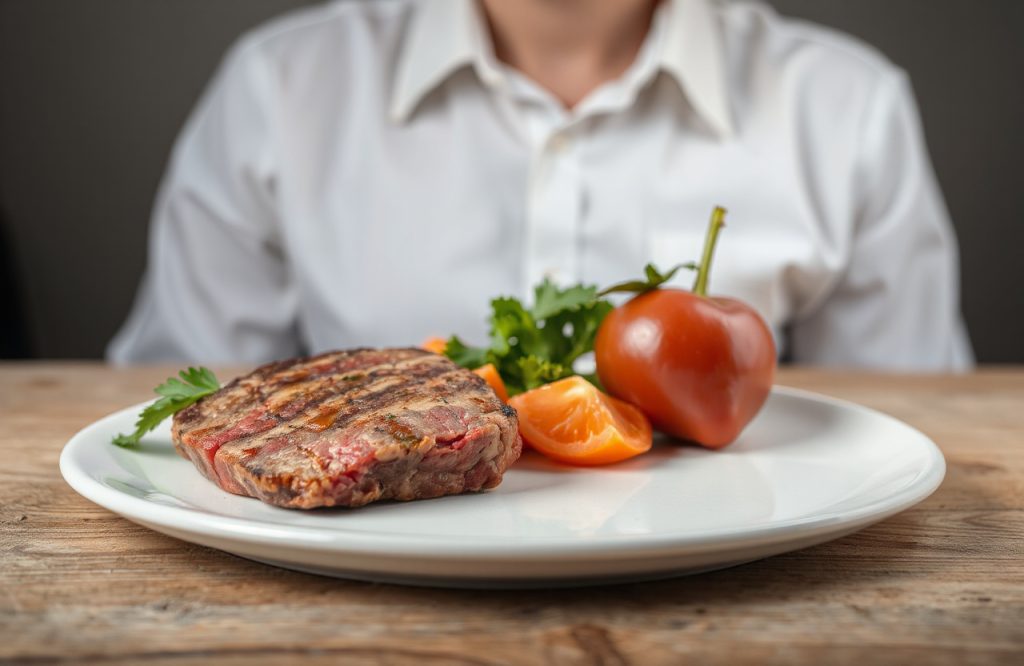
Research on Red Meat Consumption and Heart Disease
Introduction to the Study
Researchers aimed to explore the connection between increased red meat consumption and heart disease, particularly whether higher iron levels from red meat contribute to this risk. Heart disease remains a leading cause of mortality worldwide, and while there is evidence linking red meat intake to heart disease, the exact mechanisms are not well understood.
The Role of Iron in Health
Iron is a vital nutrient involved in numerous bodily functions, including oxygen transport and DNA synthesis. Globally, iron deficiency is the most prevalent nutritional deficiency, often leading to anemia. Conversely, elevated iron levels in the body have been associated with a heightened risk of heart disease and stroke. Some studies suggest that iron may facilitate the oxidation of low-density lipoprotein (LDL) cholesterol or damage the endothelial lining of blood vessels.
Study Overview
The researchers conducted a study using data from the European EPIC-Heidelberg cohort, which comprises 25,000 initially healthy volunteers monitored since the mid-1990s. Participants provided blood samples and detailed information about their socioeconomic status, lifestyle choices, and dietary habits at the study’s inception. The study aimed to identify correlations between red meat consumption, iron levels, and heart disease.
Findings from the EPIC-Heidelberg Study
The investigation revealed that 555 participants had survived a heart attack, 513 had experienced a stroke, and 381 had died from heart disease. A control group of 2,738 participants was randomly selected for comparison. The researchers assessed dietary habits to quantify red meat intake and measured iron levels and iron-storage proteins, transferrin and ferritin, in preserved blood samples.
Results on Iron Levels and Heart Disease
The analysis indicated that increased red meat consumption led to higher ferritin levels in the control group. Ferritin serves as a protein for iron storage; however, other iron markers, such as blood iron concentration and transferrin levels, did not show significant changes with increased red meat intake.
Heart Attack Risk Associated with Red Meat
Participants with heart disease history consumed more red meat compared to controls. After adjusting for age and gender, every additional 50 grams (1.8 ounces) of daily red meat intake was linked to a 1.18-fold increase in heart attack risk, a 1.16-fold increase in stroke risk, and a 1.27-fold increase in mortality from heart disease. Those with heart disease also exhibited higher body mass index (BMI), lower educational attainment, and a greater prevalence of smoking and hypertension compared to the control group.
Impact of Known Risk Factors
When controlling for recognized risk factors such as alcohol consumption, fiber intake, energy intake, menopausal status, C-reactive protein, and LDL levels, only the link between red meat consumption and heart attacks remained statistically significant. This suggests that factors like obesity, influenced by red meat intake, may be the actual contributors to increased stroke and mortality risk, rather than red meat itself.
Ferritin Levels and Heart Disease
Adjusting for age and gender, every doubling of blood ferritin concentration correlated with a 1.09-fold increase in heart attack risk and a 1.13-fold increase in heart disease mortality. However, these associations became non-significant when other risk factors were considered. Additionally, participants with low ferritin concentrations did not demonstrate a reduced risk of heart attack, stroke, or heart disease mortality compared to those with higher levels.
Study Limitations
The study faced several limitations, including the timing of blood samples and dietary surveys, which were conducted several years before many participants developed heart disease. Moreover, causes of death were determined from death certificates, which may lack the reliability of clinical records. The German population in the EPIC-Heidelberg study may not be representative of other demographics, such as North Americans.
Conclusion
This research did not support the hypothesis that iron from red meat directly increases heart disease risk. Instead, elevated ferritin levels may reflect other health or lifestyle factors, such as obesity or smoking, that contribute to heart disease. Nonetheless, the study found that higher red meat consumption was independently associated with an increased likelihood of heart attacks, although the underlying mechanisms remain unclear.
Reference
Quintana Pacheco DA, Sookthai D, Wittenbecher C, et al. Red meat consumption and risk of cardiovascular diseases—is increased iron load a possible link? Am J Clin Nutr. 2018;107(1):113-119. doi:10.1093/ajcn/nqx014.