Understanding Frailty in Older Adults
The Aging Process and Frailty
Frailty is a natural outcome of aging, increasing susceptibility to inflammatory conditions, fractures, and various health issues.
The Mediterranean Diet and Its Benefits
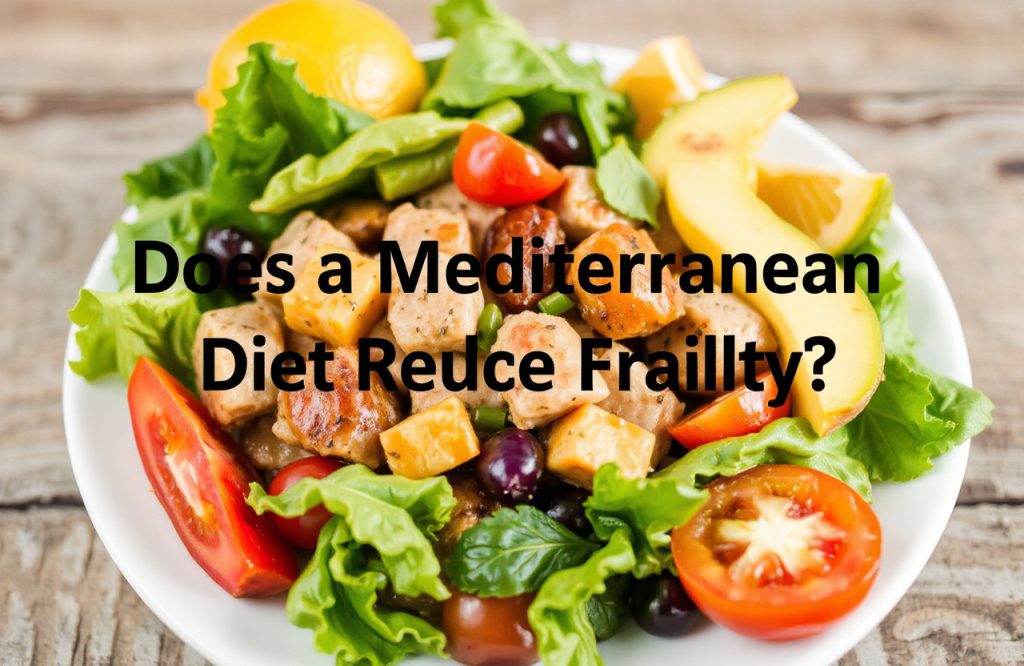
Research indicates that a Mediterranean diet may lower the risk of frailty. This dietary approach has also been linked to healthier aging, prompting a new study published in the journal Gut.
Study Overview and Methodology
Research Objectives
The study aimed to examine the relationship between the Mediterranean diet and changes in the gut microbiome, which might contribute to reduced frailty.
Study Design
This 12-month randomized controlled dietary intervention involved older, frail, or pre-frail participants from five European countries. Initially, their microbiomes were analyzed, followed by assigning them to a control group (usual diet) or an intervention group (a specific Mediterranean-style diet known as the MedDiet). After a year, microbiome profiles were reassessed.
Study Participants
A total of 612 individuals completed all aspects of the study.
Findings on the Mediterranean Diet and Microbiome
Microbiome Diversity Changes
Interestingly, adherence to the Mediterranean diet was linked to a reduction in microbiome diversity. However, this effect diminished with greater adherence to the diet.
Impact on Bacterial Species
Analysis of individual bacterial species revealed that while some increased with adherence to the Mediterranean diet, others decreased. Many of these bacterial species have been previously connected to health issues such as type 2 diabetes and colorectal cancer. This suggests a potential mechanism through which the Mediterranean diet may influence disease risk.
Health Implications
Overall, the Mediterranean diet positively affected specific bacterial species. Bacteria associated with negative health outcomes were reduced, while those linked to protective or beneficial health effects thrived. Notably, several enriched bacterial species have been associated with reduced frailty risk and improved cognitive function.
Limitations of the Study
Correlational Findings
While the results suggest that the Mediterranean diet may reduce frailty risk in older adults, several limitations must be acknowledged. The degree of separation between the MedDiet and the primary outcome (frailty) limits the study’s findings.
Absence of Direct Causality
The Mediterranean diet may influence frailty risk indirectly by altering the gut microbiome, which is correlated with reduced frailty rather than directly causing it.
Lack of Observable Impact
There was no clear association between dietary adherence and participant frailty levels over the study’s duration.
Conclusion and Future Research Directions
Overall Implications
Although the findings may not be particularly groundbreaking, they suggest that the Mediterranean diet positively impacts the microbiome and could alter specific bacteria associated with reduced frailty.
Need for Further Studies
More research is necessary to clarify the strength of the Mediterranean diet’s impact on the microbiome and to explore the relationship between microbiome composition and frailty further.
Reference
Ghosh TS, Rampelli S, Jeffery IB, Santoro A, Neto M, Capri M, et al. Mediterranean diet intervention alters the gut microbiome in older people reducing frailty and improving health status: the NU-AGE 1-year dietary intervention across five European countries. Gut. 2020: gutjnl-2019-319654.