Aging and Its Impact on Genetic Code
Understanding Gene Expression
Aging can significantly alter the proteins that form our genetic code, potentially leading to DNA damage. A recent study focused on cellular promoters of aging may bring researchers closer to identifying methods to address the challenges of aging. Every living organism possesses a unique set of genes encoded within DNA. Over time, various stressors can disrupt gene expression, resulting in previously functioning genes becoming impaired. These disruptions can cause cells to lose their identity and normal functions, leading to cell death or accumulation of dysfunctional cells. Collectively, these changes are termed epigenome modifications.
Inducing the Aging Process
To evaluate the hypothesis that aging can be reversed, researchers implemented a technique called Inducible Changes to the Epigenome (ICE). This process employs an enzyme that creates double-stranded breaks in DNA without inducing mutations. The study involved mice embryos, which were divided into ICE and non-ICE groups. After one month of treatment, the ICE group exhibited visible signs of aging, such as fur loss and skin pigmentation changes. By ten months, these mice displayed further aging characteristics, including weight loss, reduced metabolic rates, and decreased activity levels. The induced double-strand breaks were linked to age-related epigenomic changes and diminished cell identity. Furthermore, using the mouse fragility index, the 10-12-month-old ICE mice exhibited scores comparable to those of 24-month-old mice, alongside additional age-related issues, including vision impairment.
Reversing the Aging Process
Recent scientific findings suggest that cells retain a backup copy of their youthful epigenetic information, with Yamanaka factors identified as a crucial component in activating this anti-aging potential. Researchers discovered that ICE-mice expressing Yamanaka factors experienced a reversal of certain aging-related epigenetic changes. Prior to the expression of Yamanaka factors, the ICE-mice had suffered from vision loss. However, following the induction of these factors, improvements in eye health were observed. Additionally, five weeks after the introduction of Yamanaka factors, signs of aging in the kidneys and muscles of ICE-mice were also reversed.
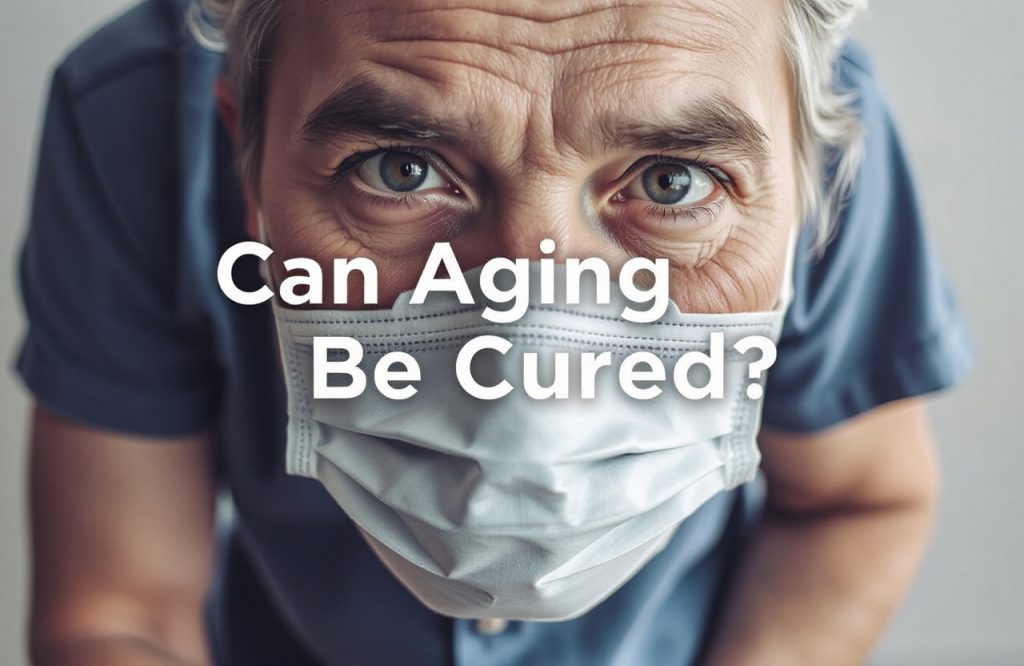
Can Aging Be Cured?
The findings of the 2023 study published in Cell suggest that epigenetic changes may play a pivotal role in the aging process. The results indicate that the loss of epigenetic information is a reversible factor contributing to aging, raising the possibility that certain aspects of aging could potentially be cured. The discovery that some mammals possess a backup of their youthful epigenetic information warrants further investigation into more species.
References
Yang J et al. Loss of epigenetic information as a cause of mammalian aging. Cell. 2023. https://www.cell.com/cell/fulltext/S0092-8674(22)01570-7
Kennedy BK et al. Redistribution of silencing proteins from telomeres to the nucleolus is associated with extension of life span in S. cerevisiae. Cell. 1997;89:381-391. https://doi.org/10.1016/S0092-8674(00)80219-6
Sinclair DA, Mills K, Guarente L. Accelerated aging and nucleolar fragmentation in yeast sgs1 mutants. Science. 1997;277:1313-1316. https://doi.org/10.1126/science.277.5330.1313