Bacteriophages: Viruses That Target Bacteria
Understanding Bacteriophages
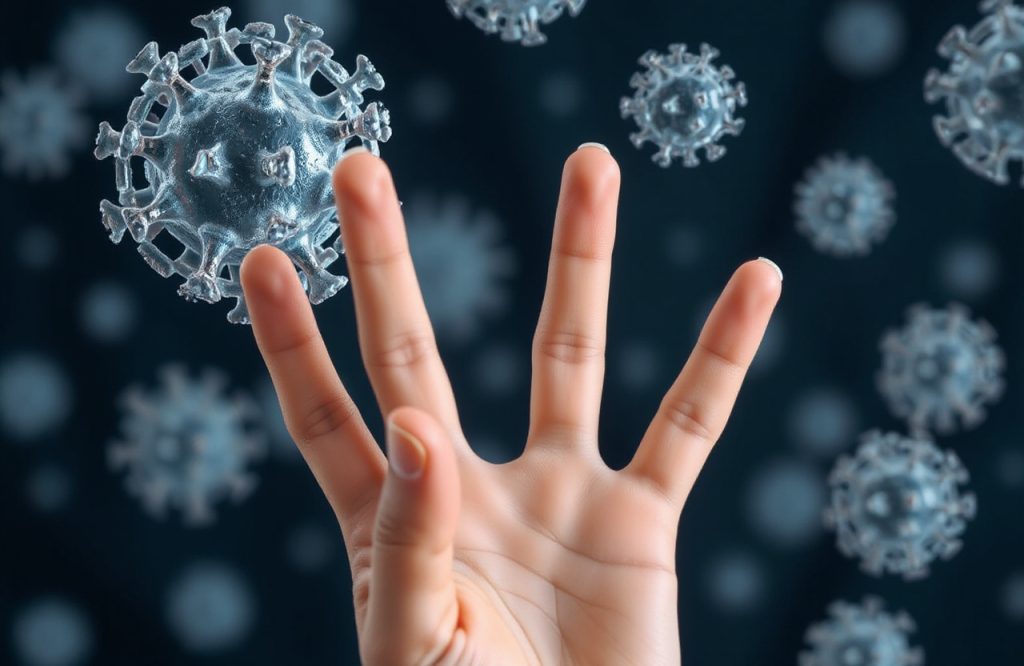
Bacteriophages are specialized viruses that infect and eliminate bacteria. They are ubiquitous, found in environments such as oceans, soil, and within living organisms, including humans. While the medical community has faced challenges in harnessing bacteriophages for therapeutic purposes, emerging research suggests they may play a role in our natural immune defenses.
The Role of Bacteriophages in Human Health
Previous studies indicate that bacteriophages are more prevalent in our mucous membranes compared to their presence in the external environment. This observation implies their involvement in our immune response against bacterial threats. A recent report published in *Science* delves into the ongoing research regarding the interactions of bacteriophages within the human body.
Recent Findings by Australian Researchers
A team of Australian researchers, led by Sophie Nguyen and colleague Barr, has published significant findings that reveal bacteriophages can penetrate the cells of the human gut and body. Their research highlights that cells preferentially absorb these viruses through their outer-facing sides, such as those lining the intestines and lungs, rather than those facing internal body cavities. Notably, the human body may assimilate as many as 30 billion bacteriophages daily.
Mechanisms of Action
Bacteriophages exhibit various mechanisms of action. They attach to cell membranes, potentially inhibiting tumor growth, and can reduce antibody production, which may aid in preventing organ or tissue rejection post-transplant. The daily intake of bacteriophages could serve to modulate immune system responses. Additional experiments have demonstrated that they can stimulate the production of immune molecules that mitigate inflammation and flu-like symptoms. Moreover, an influx of bacteriophages could signal the immune system to respond to increased bacterial activity.
Considerations and Future Research
While the findings from Barr and his colleagues are intriguing, it is important to note that the cancer cells used in their experiments may react differently to bacteriophages compared to healthy cells. Additionally, the interactions observed in laboratory settings may not fully replicate those within living organisms. Bacteriophages present a promising field for future research, necessitating further investigation to validate these findings in biological systems and to explore potential therapeutic applications.
Written by C. I. Villamil
Reference: Guglielmi. 2017. Does a sea of viruses inside our body help keep us healthy? Science.