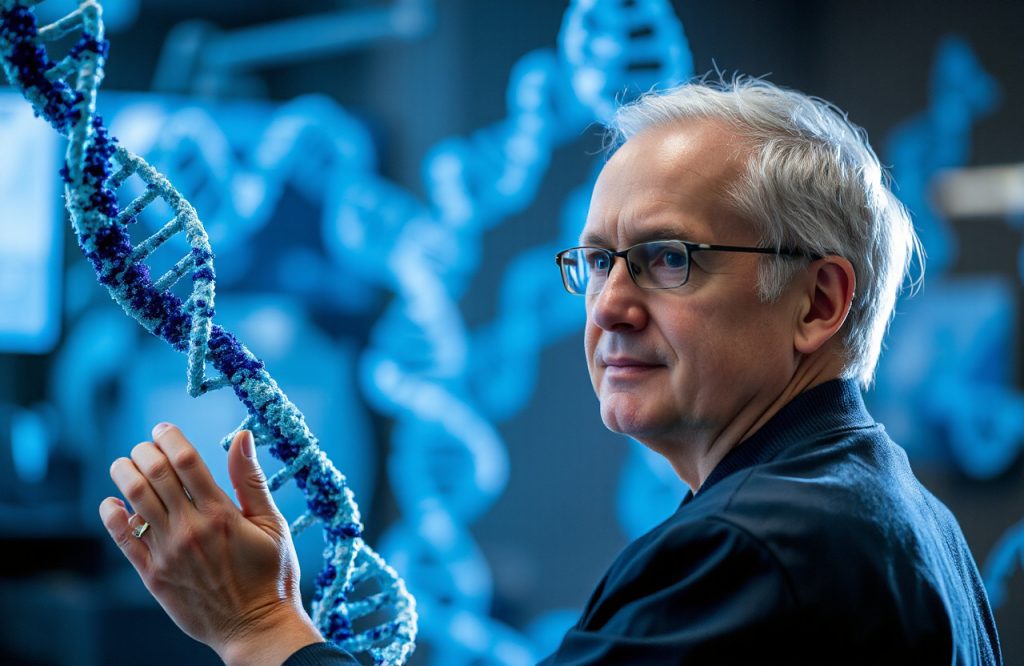
Gene Therapy and CRISPR-Cas9 for ALS Treatment
Overview of ALS
Amyotrophic lateral sclerosis (ALS) is a neurological disorder that impairs the nerves responsible for controlling voluntary muscles. These muscles are essential for activities such as walking and chewing. As the disease progresses, individuals with ALS gradually lose the ability to control these muscles. Currently, there is no effective cure or treatment for ALS, which complicates patient outcomes. Notably, up to 15% of ALS cases can be traced to a limited number of severe gene mutations, with additional genes potentially influencing the disease to a lesser extent.
Potential Treatments Explored
In a recent review published in the *New England Journal of Medicine*, researchers Al-Chalabi and Brown discuss emerging treatment strategies for ALS. These approaches concentrate on addressing the genetic factors of the disease. They may involve suppressing the effects of harmful mutations through the administration of healthy proteins and other gene products. Additionally, some strategies aim to modify affected genes to revert them to a non-disease-causing state. Such gene-editing techniques hold significant promise, as they could potentially allow for a one-time treatment, eliminating the need for repeated and often uncomfortable procedures.
Challenges and Advancements in Gene Editing
Despite the potential of these new methods, Al-Chalabi and Brown emphasize that considerable work remains to translate them into viable treatments for ALS patients. Current techniques for reverse-engineering healthy genes have shown inefficiencies. However, the advent of CRISPR-Cas9 technology offers hope for enhancing these methods.
CRISPR-Cas9 is a groundbreaking tool that allows for precise alterations of DNA segments. Before it can be utilized in human subjects, adjustments must be made to ensure its safety and efficacy. Preliminary research on mice has demonstrated that CRISPR-Cas9 can mitigate the effects of ALS-related mutations and postpone the onset of symptoms. However, these studies involved administering the treatment at birth, which presents challenges for human application, as it is often not feasible to identify ALS risk before birth. Moreover, the successful mouse experiments concentrated on a single gene that is not critical for survival, raising concerns about the technique’s effectiveness for other essential genes.
Future Directions in ALS Research
Al-Chalabi and Brown propose that focusing on the treatment of genes that influence survival may provide greater benefits than solely targeting the disease’s onset. This approach could enhance the quality of life for individuals diagnosed with ALS. As new technologies continue to evolve, there is optimism that they will eventually facilitate the prevention or treatment of ALS.
Reference
Al-Chalabi, Brown. 2018. Finding a treatment for ALS—will gene-editing cut it? N Engl J Med 378(15):1454.