Research on Stevia and Its Potential Impact on Blood Glucose Levels
Understanding Diabetes and Its Complications
Diabetes is a metabolic disorder characterized by the inability of insulin to effectively regulate glucose movement into cells. This dysfunction leads to elevated blood glucose levels, which can damage blood vessels and increase the risk of various health issues, including heart disease, nerve damage, impaired circulation, and potentially severe outcomes such as amputation, blindness, and kidney disease. Excessive sugar consumption is a significant contributor to obesity and diabetes.
Stevia: A Natural Sweetener
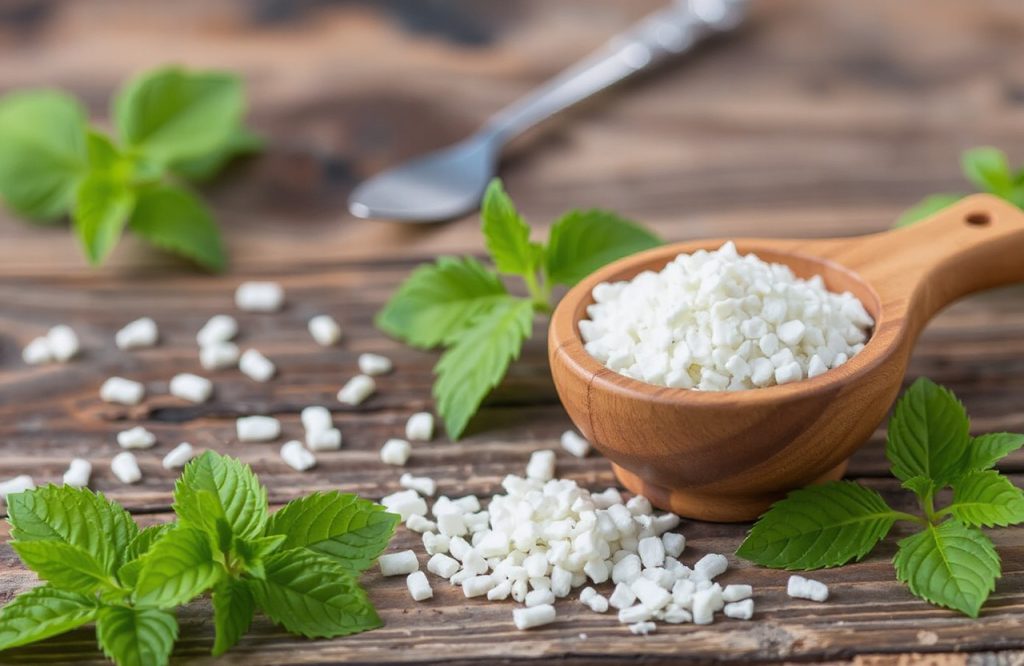
Stevia, derived from a plant native to Paraguay and Brazil and now cultivated in Japan and China, has been used as a sweetener for tea since the 16th century. This natural sweetener is remarkably sweeter than table sugar, with a potency 200-300 times greater, yet it contains little to no calories. Research over the past thirty years has confirmed the safety of stevia leaves and extracts for consumption, indicating that they do not impact blood glucose or insulin responses. Consequently, stevia is considered a beneficial alternative for managing diabetes.
Study Overview: Investigating Stevia’s Effects
A recent study published in BMC Complementary and Alternative Medicine aimed to explore whether stevia could assist in lowering blood glucose levels and reduce the risk of diabetic neuropathy, a form of nerve damage associated with diabetes. The research was conducted by a team from Armenia.
Methodology of the Research
The study involved 36 rats, which were randomly divided into three groups: a control group receiving plain water, a group receiving water with 20% fructose (a type of sugar), and a third group receiving water with both 20% fructose and 20mg/kg of stevia leaf powder. Each group was given their respective drinks over a three-week period. The research team subsequently examined the hippocampus and amygdala regions of the rats’ brains to assess neuronal and synaptic plasticity.
Findings and Implications
The results indicated that the rats given water containing both 20% fructose and stevia exhibited the lowest levels of neural vulnerability. These findings enhance our understanding of how incorporating stevia into the diet, particularly in scenarios of high fructose consumption, may help mediate insulin resistance and support neural plasticity. However, further human trials are necessary to determine whether stevia can effectively lower the risk of diabetic neuropathy in humans.
Author and References
This study was authored by Debra A. Kellen, PhD.
References:
1. Chavushyan, V. A., Simonyan, K. V., Simonyan, R. M., Isoyan, A. S., Simonyan, G. M., Babakhanyan, M. A., … & Simonyan, M. A. (2017). Effects of stevia on synaptic plasticity and NADPH oxidase level of CNS in conditions of metabolic disorders caused by fructose. BMC Complementary and Alternative Medicine, 17(1), 540. DOI 10.1186/s12906-017-2049-9
2. Goyal, S. K., & Goyal, R. K. (2010). Stevia (Stevia rebaudiana) a bio-sweetener: a review. International Journal of Food Sciences and Nutrition.