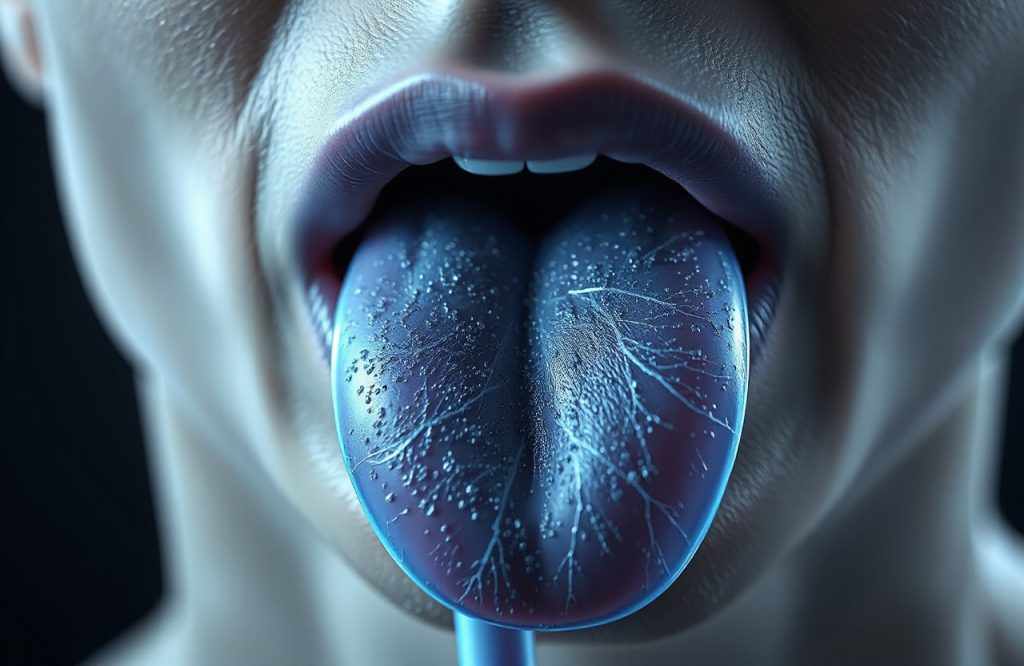
Study Explores Tongue Microbial Populations for Early Detection of Pancreatic Cancer
Introduction to Pancreatic Cancer
A recent study has examined the microbial populations found on the tongue as a potential tool for the early detection of pancreatic cancer, one of the most lethal forms of cancer. This disease is responsible for hundreds of thousands of deaths annually, ranking seventh among cancer-related fatalities. It is more prevalent in developed countries and primarily affects individuals over the age of 55.
Understanding Risk Factors
While the precise causes of pancreatic cancer remain largely unknown, several risk factors have been identified. These include smoking, a family history of the disease, genetic predispositions, alcohol consumption, and diabetes. Currently, no routine screening techniques exist for early detection, making risk reduction the most effective preventive strategy. This includes quitting smoking, maintaining a healthy weight, consuming a diet rich in fruits and vegetables, engaging in regular exercise, and undergoing health checks.
Challenges in Early Diagnosis
Early-stage pancreatic cancer often presents no symptoms, leading to advanced diagnoses by the time patients seek medical attention. At this stage, surgical options may be limited, and long-term survival rates are generally poor. Consequently, there is a growing focus on identifying features that could facilitate earlier diagnosis.
The Role of Microbiota in Cancer Detection
The human body hosts diverse microbial populations known as the microbiota, which provide various health benefits, including the production of essential nutrients. Research has indicated that changes in microbiota composition could be linked to cancer. This insight has directed studies toward utilizing microbiota composition as a potential tool for cancer detection.
Research Methodology and Findings
The recent study compared the tongue microbiota of 30 patients with stage I pancreatic cancer against that of 25 healthy individuals. Participants were aged between 45 and 65, had no oral health issues, and had not taken any medications in the three months leading up to the study. Researchers extracted DNA from the bacterial samples collected from participants’ tongues to identify and compare microbial species.
The analysis revealed that pancreatic cancer patients exhibited lower levels of the microbial types Haemophilus and Porphyromonas, while Leptotrichia and Fusobacterium were found in higher abundance compared to healthy individuals. These microbial species are linked to specific immune system responses, suggesting that alterations in the microbiota may contribute to inflammatory processes leading to pancreatic cancer.
Implications for Future Research
In conclusion, this study highlights significant differences in the tongue microbiota of pancreatic cancer patients compared to healthy controls. The variations in microbial abundance could pave the way for future methods aimed at identifying individuals at high risk for pancreatic cancer. While the findings offer promising insights into the relationship between microbiota and cancer, further research involving larger populations is necessary to validate these results and support the authors’ hypothesis.
References
Ilic, M., & Ilic, I. (2016). Epidemiology of pancreatic cancer. World Journal of Gastroenterology, 22(44), 9694-9705.
Lu, H., Ren, Z., Li, A., Li, J., Xu, S., Zhang, H., Jiang, J., Yang, J., Luo, Q., Zhou, K., Zheng, S., & Li, L. (2019). Tongue coating microbiome data distinguish patients with pancreatic head cancer from healthy controls. Journal of Oral Microbiology, 11(1).
Tongue microbiome could help identify patients with early-stage pancreatic cancer. https://www.eurekalert.org/pub_releases/2019-01/tfg-tmc012519.php.