High-Fat Diets and Health Risks
Impact on Blood Pressure and Kidney Health
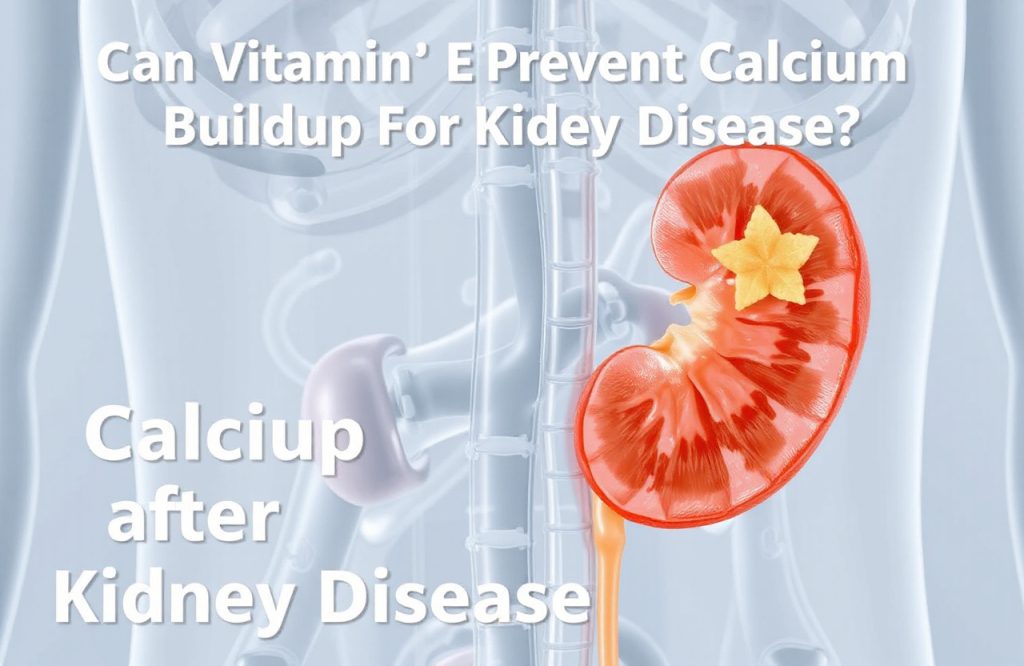
High-fat diets are not only associated with high blood pressure and kidney failure but can also lead to calcium accumulation in blood vessels. Researchers are exploring the potential benefits of Vitamin E in this context.
The Modern Dietary Landscape
Western diets typically feature high levels of fat and sodium while lacking in fiber. Fast food options, like burgers and fries, are notoriously low in nutrition, yet their convenience makes them difficult to resist. Over the past decade, the rapid pace of modern life has contributed to a significant rise in high-fat food consumption, resulting in a growing health crisis in both Western and developing countries.
Health Consequences of High-Fat Diets
Poor dietary choices and insufficient exercise have been linked to various kidney disorders, including hypertension, type 2 diabetes, and chronic kidney disease. Vascular calcification, the hardening of blood vessels due to an inability to properly regulate calcium, is a leading cause of mortality in these patients.
Researching Vascular Calcification in Rats
Study Overview
To investigate potential prevention methods for vascular calcification in humans, researchers have turned to rats as a model for the disease. A study published in BMC Nephrology examined the effects of high-fat diets on calcification and evaluated whether vitamin supplementation could offer benefits.
Experimental Design
In the study, 32 rats were divided into two groups, receiving either a normal or high-fat diet for 45 days. Following this period, over 80% of their kidney tissue was surgically removed to simulate kidney failure. The findings revealed that the rats on high-fat diets exhibited significantly elevated blood glucose and cholesterol levels, alongside considerable vascular calcification in their blood vessels, stomach, and lungs.
Study Challenges
The initial plan included a 28-day observation period post-surgery; however, the rapid progression of vascular calcification led to the study’s premature termination after just 14 days for ethical reasons.
The Role of Vitamin E
Findings on Vitamin E Supplementation
Despite the alarming effects of high-fat diets, the study did uncover a promising aspect. Researchers discovered that supplementing the high-fat diet with Vitamin E could partially reverse vascular calcification. When the rats received 300 mg of Vitamin E daily—considered the highest safe dose for humans—vascular calcification decreased by approximately 57%, with no adverse side effects noted.
Implications for Kidney Function
While the level of calcification in the Vitamin E supplemented rats remained twice that of those on normal diets, the vitamin appeared to moderately enhance kidney function. Future research will need to determine whether similar effects can be observed in humans.
Conclusions on Dietary Choices
What is evident is the need to minimize high-fat food intake, especially for individuals with kidney disease. The research team remains hopeful that further trials will reveal comparable protective effects of Vitamin E in human patients.
Written by Calvin J. Chan, B.Sc.
Reference: Rios, R., Raya, A.I., Pineda, C., Rodriguez, M., Lopez, I., and Aguilera-Tejero, E. (2017). Vitamin E protects against extraskeletal calcification in uremic rats fed high-fat diets. BMC Nephrology.