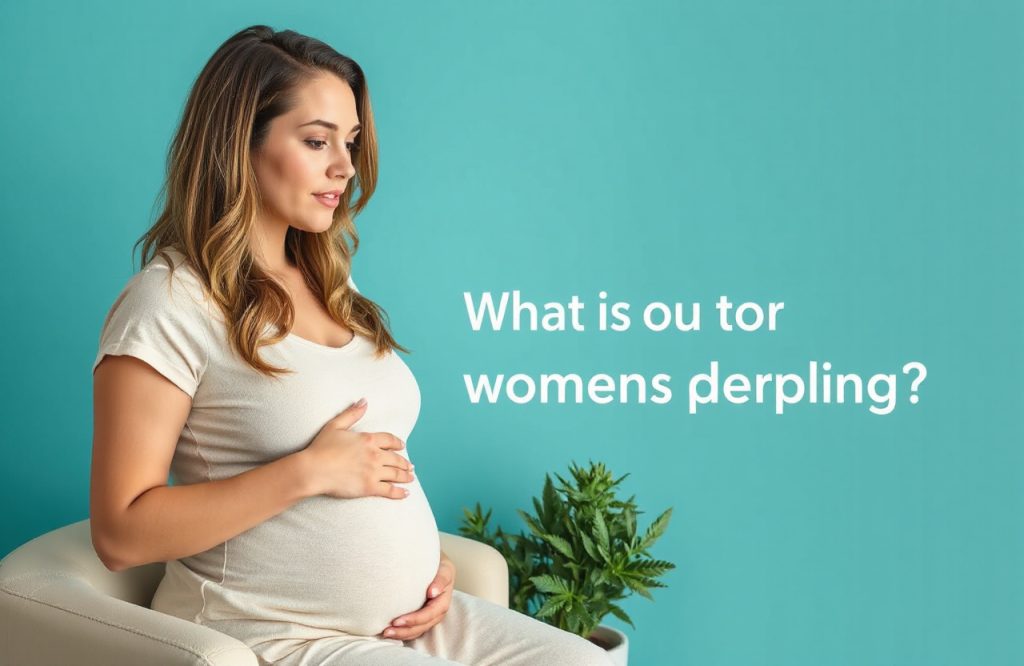
Study Reviews Women’s Perspectives on Marijuana Use During Pregnancy
Prevalence of Cannabis Use Among Pregnant Women
Cannabis, commonly known as marijuana, is the most frequently used illicit drug among both the general population and pregnant women. The health implications of smoking marijuana during pregnancy remain a debated topic. Some studies suggest that marijuana use is associated with adverse outcomes such as low iron levels, low birth weight, stillbirth, and increased admissions to newborn intensive care units. Conversely, other research indicates that these risks could be influenced by external factors such as socioeconomic status, tobacco use, alcohol consumption, or the use of other illegal drugs.
Professional Recommendations Against Marijuana Use
Despite the controversial findings, professional organizations advise against smoking marijuana during pregnancy due to potential risks. Nonetheless, the prevalence of marijuana use among pregnant women has increased, rising from 2.37% to 3.85%, as more individuals perceive cannabis as a safe option.
Insights from Canadian Researchers
A recent review published in *Preventative Medicine* by Canadian researchers explored women’s perceptions of smoking marijuana during pregnancy and how these views impact actual use. The review encompassed six studies conducted in the United States.
Variability in Marijuana Use Rates
The studies revealed significant variations in marijuana use among pregnant women. One study reported a 3.9% usage rate in the past month and a 7% rate over the past year, while another study that analyzed hair and urine samples found a staggering 27% usage rate in the last three months.
Perception of Safety and Legalization Trends
The growing acceptance of cannabis use parallels the trend of its legalization. Approximately 70% of cannabis users, including both pregnant and non-pregnant women, perceived minimal to no risk associated with its use. Additionally, 30% of pregnant women did not believe that smoking marijuana poses any harm to their baby. When asked to identify the most harmful substance during pregnancy, only 2% selected cannabis, compared to 70% for alcohol and 16% for tobacco.
Demographics of Pregnant Cannabis Users
The review indicated that pregnant women who use cannabis are more likely to be under the age of 25, single or uninsured, unemployed, African-American, and have low income and education levels. Furthermore, those with poor mental health or who consume other substances—such as alcohol, tobacco, or illicit drugs—were also more frequently identified as cannabis users during the past year. The first trimester of pregnancy exhibited the highest rates of marijuana use, while the lowest rates were observed in the third trimester, with early pregnancy nausea cited as the primary reason for use.
Information Sources for Health and Cannabis Use
Participants in the studies indicated that the internet was their main source of information regarding health and cannabis use. They noted that healthcare providers often focused on the legal ramifications of cannabis use rather than the health consequences. This lack of discussion about the health effects of smoking marijuana during pregnancy led many women to perceive its use as a minor concern.
Need for Counseling and Recommendations
Although evidence regarding the health risks of cannabis use during pregnancy is limited and sometimes conflicting, there remains a potential for adverse outcomes. Healthcare providers are encouraged to offer counseling about cannabis use and its possible negative effects on pregnancy. Strong recommendations to cease cannabis use should be emphasized during the periods of conception, pregnancy, and breastfeeding.
References
Bayrampour, H., Zahradnik, M., Lisonkova, S., & Janssen, P. (2018). Women’s perspectives about cannabis use during pregnancy and the postpartum period: An integrative review. *Preventive Medicine*, 119, 17-23. doi:10.1016/j.ypmed.2018.12.002
Fletcher, T. (2019, January 18). Some pregnant women don’t believe cannabis is harmful to their fetus. Retrieved from https://www.eurekalert.org/pub_releases/2019-01/uobc-spw011819.php
Written by Maggie Leung, PharmD.