Research Study on Gas Exchange and Face Masks
Overview of the Study
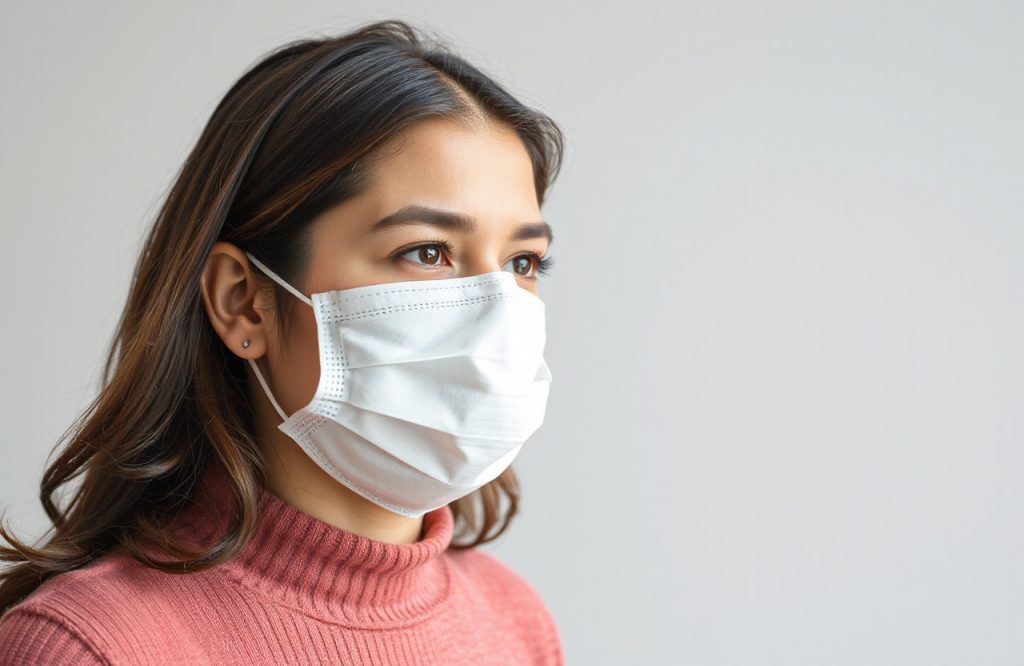
A recent research study explores gas exchange dynamics when wearing surgical face masks among healthy individuals and those with Chronic Obstructive Pulmonary Disease (COPD). The topic of face masks has sparked considerable debate, focusing on the appropriate materials, correct usage, timing, and potential positive or negative effects of wearing them.
Public Concerns and Opinions
Public sentiment regarding mask-wearing is polarized, largely due to varying recommendations from health authorities. Many concerns have arisen, particularly regarding claims that wearing masks might elevate carbon dioxide (CO2) levels, potentially harming individuals, especially those with lung diseases like COPD. Such claims have raised significant anxiety among affected populations.
Research Institutions Involved
Researchers from Jackson Memorial Hospital and the University of Miami Miller School of Medicine’s Division of Pulmonary, Critical Care, and Sleep Medicine, along with the Miami Veterans Administration Medical Center, conducted this study in Miami, Florida. Their objective was to assess whether gas exchange abnormalities occur when using surgical masks in subjects both with and without lung function impairments.
Study Design and Methodology
Published in the Annals of the American Thoracic Society, the research involved a convenience sample of 15 physicians without lung conditions (60% male) and 15 male veterans diagnosed with severe COPD. Participants underwent a six-minute walk test while wearing a surgical mask, with arterial blood analysis conducted before and immediately after the test. Baseline measures were taken non-invasively using a Life Sense monitor while participants were on room air without a mask, followed by continuous monitoring during mask use.
Findings of the Study
The study revealed no significant changes in end-tidal CO2 (ETCO2) or oxygen saturation levels (SpO2) at rest among both groups of participants. During the six-minute walk, individuals with severe COPD experienced a decrease in oxygenation, as expected. However, they did not show significant physiological changes in gas exchange measurements post-test, particularly regarding carbon dioxide retention.
Conclusions and Implications
The findings suggest that the impact of mask-wearing on gas exchange is minimal, even for individuals with severe lung disease. Researchers indicate that discomfort related to mask use, such as breathlessness, is not linked to alterations in gas exchange but likely results from airflow restriction while wearing a mask during exertion. Simple strategies, such as reducing the pace of activity or safely removing the mask, can help alleviate breathlessness symptoms.
Although the sample size was limited, the researchers aim for this study to help mitigate unwarranted concerns about carbon dioxide levels associated with mask-wearing.
Author Information
Written by Helen Massy, BSc.
References
Samannan, R., Holt, G., Calderon-Candelario, R., Mirsaeidi, M., & Campos, M. (2020). Effect of Face Masks on Gas Exchange in Healthy Persons and Patients with COPD. Annals Of The American Thoracic Society. https://doi.org/10.1513/annalsats.202007-812rl
Image by Alexandra_Koch from Pixabay