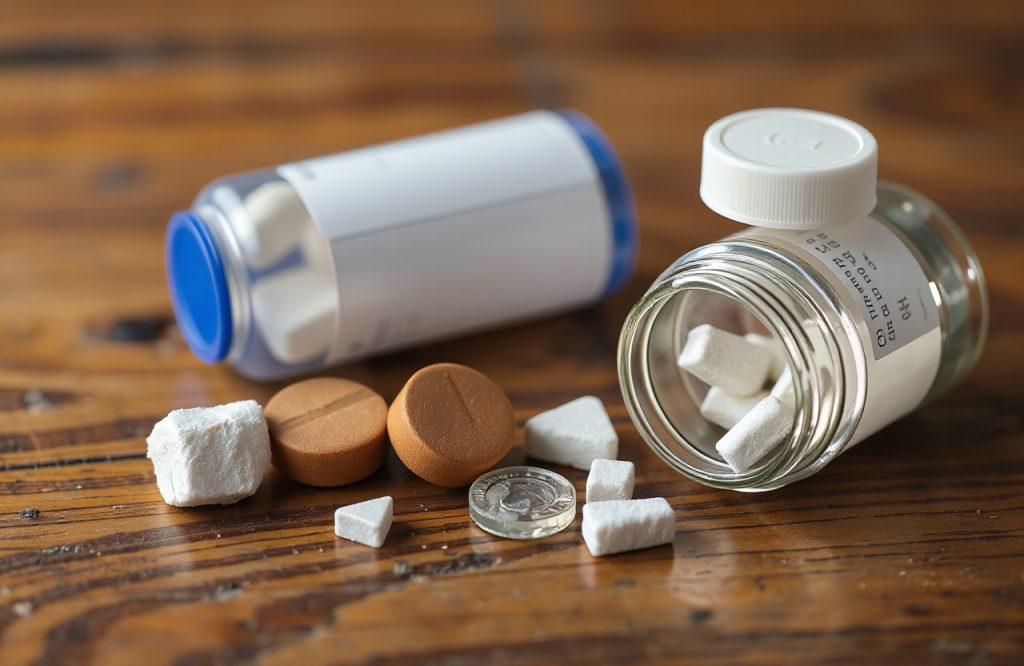
FDA Approves Phase III Trials for Ecstasy in PTSD Treatment
Medicinal Properties of Ecstasy
The U.S. Food and Drug Administration (FDA) has recently approved two phase III drug trials examining the use of ecstasy in treating post-traumatic stress disorder (PTSD). Ecstasy has been recognized for its potential medicinal properties for years, particularly in alleviating symptoms associated with PTSD. However, its classification as an illicit substance has historically hindered extensive research on its therapeutic applications.
Impact of PTSD on Patients
Patients suffering from PTSD often experience intense emotions and overwhelming fear triggered by traumatic memories. These feelings can significantly impair a person’s daily functioning and quality of life. Sensory stimuli, such as specific sounds or smells, can evoke these distressing memories. Ecstasy is being explored as a breakthrough treatment that may help mitigate these overwhelming emotional responses. Importantly, this treatment is intended to be used alongside psychotherapy.
Funding and Trial Logistics
The Multidisciplinary Association for Psychedelic Studies is funding these trials, which are projected to cost approximately $25 million. The trials are slated to commence in the spring of 2018 and are expected to run until 2020. In these trials, participants will be randomized into groups receiving either ecstasy or a control substance. A key challenge in these trials is that participants in the treatment group may be aware of their drug status due to its mind-altering effects, complicating efforts to maintain blinding. Therefore, the study will focus on ecstasy-assisted psychotherapy compared to psychotherapy with an inactive placebo. Additionally, measures will be taken to ensure that the therapists administering the psychotherapy remain unaware of whether their patients are under the influence of ecstasy.
Previous Research and FDA Designation
The FDA has designated ecstasy as a breakthrough therapy for PTSD, a designation reserved for treatments that demonstrate significant improvement over existing options. Prior to this, several small phase II studies evaluating ecstasy’s effects on PTSD were conducted and reviewed by the FDA. Although the results of these studies were not published, they appeared promising, contributing to the FDA’s decision to approve the upcoming trials.
Conclusion
As research progresses, the implications of these trials could be significant for the treatment of PTSD, potentially paving the way for new therapeutic avenues.
Written by Jessica Caporuscio, PharmD
Reference: Kupferschmidt, K. All clear for the decisive trial of ecstasy in PTSD patients. Science. 2017.