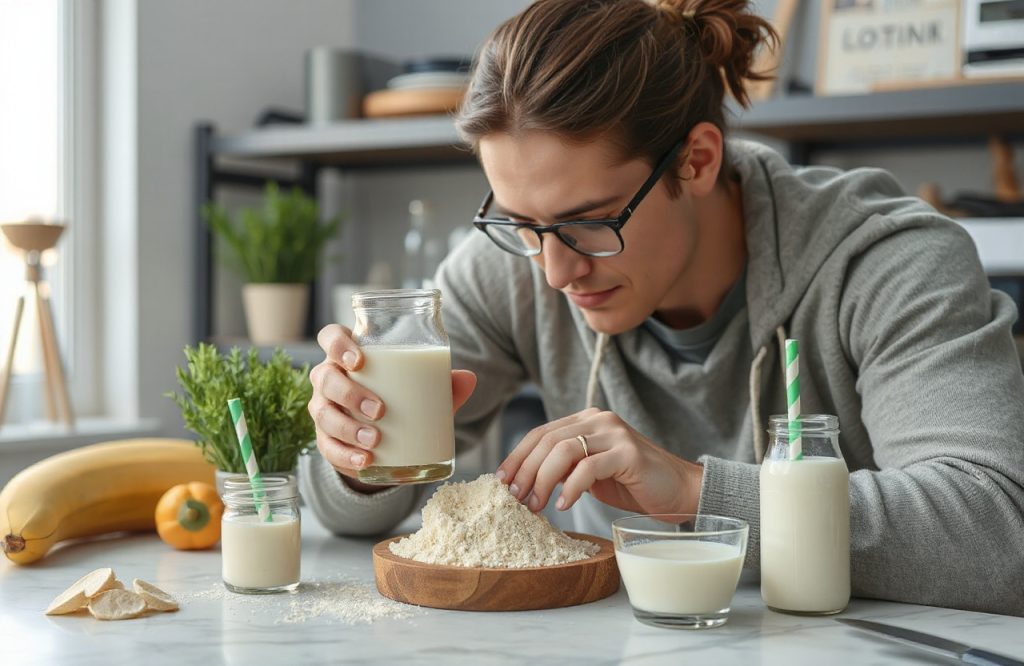
Effects of Fermented Milk Supplements on High-Intensity Exercise
Introduction
A recent study investigated whether supplements containing a fermented milk mixture could mitigate the negative impacts associated with high-intensity exercise. The intestinal system plays a critical role in protecting the body from harmful pathogens, but exercise can compromise this function by affecting the intestinal barrier.
Impact of High-Intensity Exercise on Gut Health
Intense physical activity can disrupt an individual’s natural gut microbiota, potentially diminishing immune function. This disruption increases the risk of infections in both the gastrointestinal and upper respiratory tracts. The gut microbiota is essential for nutrient absorption and maintaining the intestinal barrier, helping to prevent pathogenic bacteria from causing infections. However, during exhaustive exercise, the body’s glucose stores become depleted, prompting the use of glutamate from muscles for energy. A significant depletion of glutamate can impair the intestines’ ability to absorb nutrients effectively.
The Role of Glutamate in Intestinal Function
Glutamate, which is present in muscles, is vital for maintaining the intestinal barrier’s function. During intense exercise, glutamate levels may decrease, leading to reduced nutrient absorption. Effective nutrient absorption is crucial for fueling muscle performance.
Oxidative Stress and Its Effects
Intense physical activity also triggers oxidative stress, a condition that arises when the body struggles to detoxify harmful molecules known as free radicals. These free radicals are produced during cellular energy consumption. An excess of free radicals can damage bodily tissues, and oxidative stress can provoke an immune response. Researchers suggest that a combination of fermented milk with whey protein, probiotics, and pomegranate juice may counteract the adverse effects related to intense physical activity.
Potential Benefits of Supplementation
Several components within the fermented milk mixture may enhance intestinal health:
– **Whey Protein**: Provides essential amino acids necessary for muscle maintenance and can serve as an energy source during exercise, potentially preventing glutamate depletion and improving intestinal integrity.
– **Probiotics**: Shown to reduce the severity, frequency, and duration of gastrointestinal issues and respiratory illnesses in athletes by supporting healthy gut microbiota.
– **Pomegranates**: Known for their antioxidant and anti-inflammatory properties, pomegranate supplementation may alleviate oxidative stress and inflammation that compromise intestinal barrier function during exercise.
Study Findings
Published in the British Journal of Nutrition, the study conducted by Brazilian scientists aimed to determine whether fermented milk supplemented with whey protein, probiotics, and pomegranate juice could restore intestinal microbiota and shield the body from the adverse effects of high-intensity exercise. The research focused on the effects of this supplementation on physical performance, intestinal microbiota, intestinal barrier integrity, and inflammation in rats subjected to high-intensity exercise.
Results of the Supplementation
The findings revealed that the antioxidants from pomegranate juice reduced oxidative stress, which, in turn, minimized inflammatory responses and muscle damage during intense physical activity. While intense exercise diminished healthy microbiota in rats, supplementation with fermented milk containing whey protein, probiotics, and pomegranate juice promoted a healthier gut microbiota. This microbiota is crucial for neutralizing the effects of carcinogens and drugs, modulating immune system activity, and maintaining the intestinal barrier.
Overall, the study concluded that the fermented milk mixture significantly reduced the negative effects of high-intensity exercise in rats compared to those that did not receive supplementation. The supplementation helped preserve healthy gut microbiota, thereby supporting intestinal barrier integrity. Maintaining intact intestinal integrity is vital for protecting against pathogenic bacteria and preventing infections in both the gastrointestinal and upper respiratory tracts. Additionally, the supplementation reduced immune responses due to adequate glutamate availability and a healthy gut microbiota. Although this study was conducted in rats, it is reasonable to suggest that humans may experience similar benefits from fermented milk supplementation prior to high-intensity exercise.
Conclusion
The research highlights the potential of fermented milk with whey protein, probiotics, and pomegranate juice as a supportive measure for athletes engaging in high-intensity exercise, contributing to better gut health and overall performance.
Reference
Chaves, Fernanda M., et al. “High-intensity-exercise-induced intestinal damage is protected by fermented milk supplemented with whey protein, probiotic and pomegranate (Punica granatum L.).” British Journal of Nutrition 119.8 (2018): 896-909.