The Serotonin Hypothesis of Autism
Overview of the Hypothesis
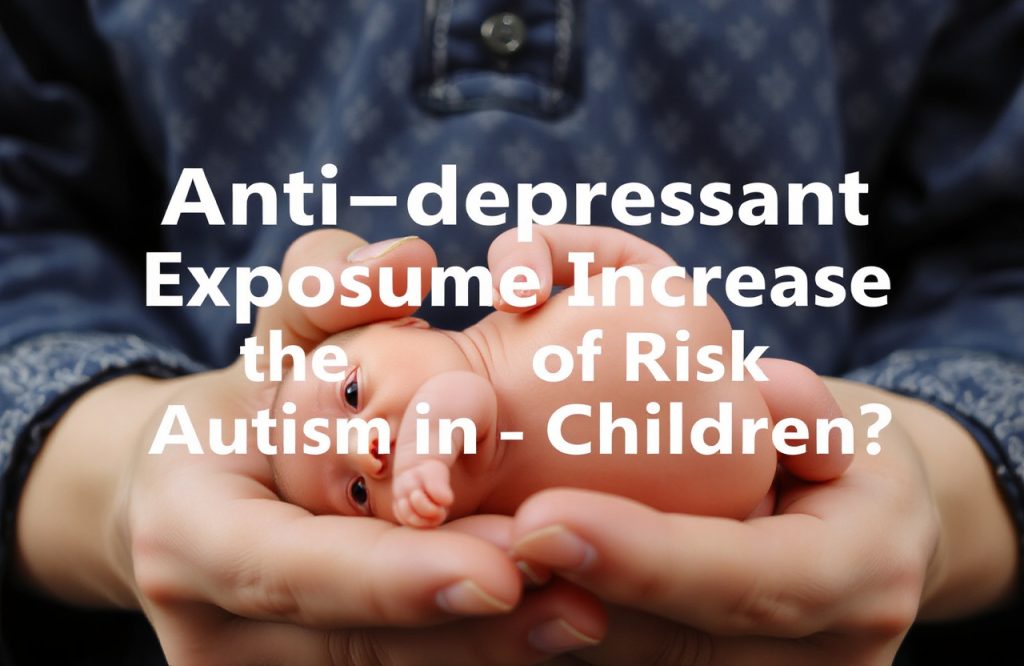
The serotonin hypothesis of autism suggests that high levels of serotonin exposure during fetal development may elevate the risk of Autism Spectrum Disorder (ASD). Recent research has examined whether children born to mothers who used prescription antidepressants that affect serotonin levels have a higher likelihood of being diagnosed with ASD.
Depression in Pregnancy
Depression is a common concern during pregnancy, affecting about 1 in 10 women. It poses significant risks to both the mother and the developing child, including poor fetal growth, preterm birth, and various developmental issues. Additionally, maternal depression increases the risk of postpartum depression and chronic depression. While mild cases can often be treated with non-pharmacological methods, such as cognitive-behavioral therapy, some instances may necessitate the use of antidepressants.
Role of Antidepressants
Selective serotonin reuptake inhibitors (SSRIs) are the most commonly prescribed antidepressants. These medications influence serotonin—a neurotransmitter that affects mood, appetite, sleep, memory, and social behavior. An imbalance in serotonin levels is linked to depression, and SSRIs work by preventing the reuptake of serotonin, thereby increasing its levels in the brain. A recent study reported that around 6% of pregnant women in the United States were taking SSRIs.
Understanding Autism Spectrum Disorders
Autism Spectrum Disorders (ASDs) are neurodevelopmental conditions typically diagnosed in childhood. Characteristic symptoms include challenges in social communication and repetitive behaviors. Both genetic and environmental factors are believed to contribute to the development of ASD.
Investigation of SSRI Use and ASD Risk
Previous Research Findings
The serotonin hypothesis has been supported by animal studies indicating that in utero exposure to SSRIs may lead to autism-like behaviors. Furthermore, a recent meta-analysis identified a significant correlation between SSRI use during the first trimester of pregnancy and the risk of developing ASD.
New Study Overview
A new study published in JAMA presents a retrospective cohort analysis of children born to mothers in Ontario, Canada, between 2002 and 2010. SSRI exposure was defined as receiving two or more consecutive maternal prescriptions from conception to delivery. Researchers investigated the diagnoses of ASD in these children after the age of two.
Study Results
During the study period, approximately 36,000 children were born, with 2,800 exposed to antidepressants in utero. Among these children, 2% received an ASD diagnosis. The overall incidence of ASD was found to be 4.51 per 1,000 children exposed to SSRIs, compared to 2.03 per 1,000 children who were not exposed. However, statistical analysis indicated that this association was not statistically significant.
Conclusion
The findings of this study suggest that children born to mothers who used SSRIs during pregnancy do not have an increased risk of developing ASDs. While these results contrast with some previous research, limited extensive studies have explored the link between fetal SSRI exposure and ASD. Consequently, while causation cannot be definitively excluded, alternative explanations for prior associations may exist beyond increased fetal serotonin exposure.
Written By: Neeti Vashi, BSc