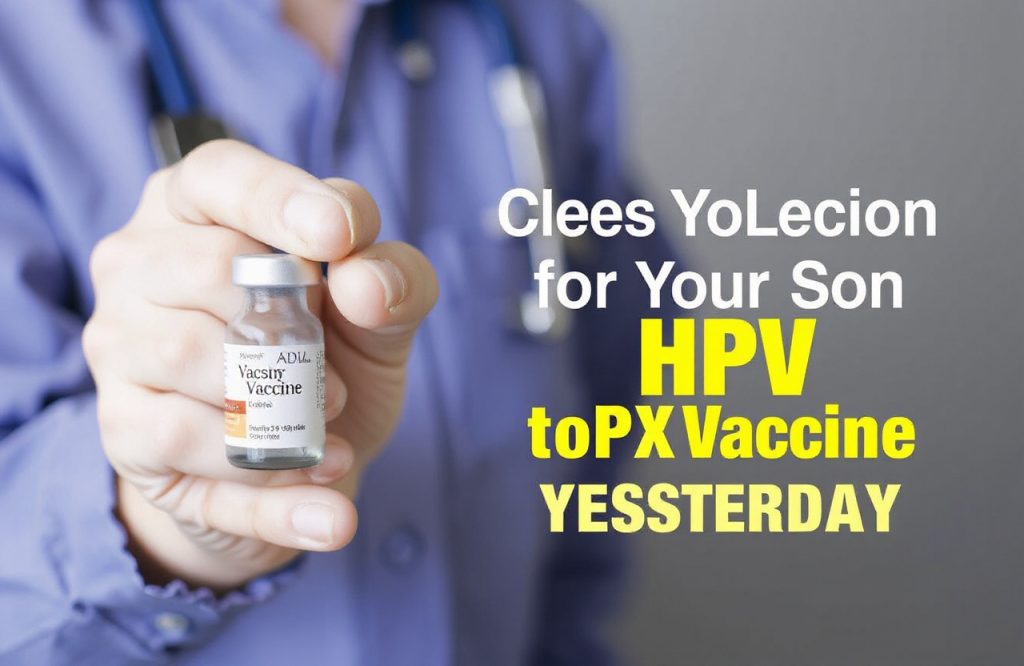
The Importance of the HPV Vaccine for Boys
Understanding the HPV Vaccine’s Benefits
Many people view the HPV vaccine as solely a “cervical cancer jab,” but it provides protection against more than just cervical cancer. While its primary achievement is the significant reduction of cervical cancer cases, healthcare professionals are increasingly recommending the vaccine for boys as well. This article explores the reasons for these recommendations and addresses some common misconceptions.
Protection Against Various Cancers
The HPV vaccine is highly effective against strains HPV-16 and HPV-18, which are known to cause cervical cancer. However, these strains also pose risks for boys and men, leading to various cancers. Research indicates that HPV-16 and HPV-18 are responsible for approximately 31% of penile cancers. Furthermore, 90% of anal cancer cases are linked to HPV infection, with these strains being the primary contributors. HPV can also lead to head and neck cancers, emphasizing the need for vaccination as a preventive measure.
Timing of Vaccination Matters
The optimal time to vaccinate boys against HPV is before the age of 13. Studies have shown that the vaccine generates a stronger immune response and offers greater protection when administered early. Longitudinal research indicates that individuals vaccinated between ages 11 and 13 have a significantly lower risk of HPV-related cancers compared to those vaccinated in later adolescence. Canadian vaccination programs have recognized this and typically provide the vaccine to children in Grades 4 to 7. With protection declining after age 15, it is crucial for parents to act promptly.
Addressing Sexual Activity and Exposure Risks
HPV is one of the most prevalent sexually transmitted infections, and many individuals become infected at some point in their lives. While some may think their son is too young for sexual activity, it is essential to recognize that exposure to HPV can happen regardless of a child’s current relationship status. Research indicates that approximately one in six boys will experience unwanted sexual contact before turning 18. Studies show that HPV is more frequently detected in children who have been victims of abuse, highlighting the need for early vaccination as a precautionary measure.
Safety and Efficacy of the HPV Vaccine
Parents can be confident in the safety and efficacy of the HPV vaccine. Research consistently supports its safety profile, making it a top priority for vaccination schedules. A study involving over 215,000 boys and girls showed no serious adverse reactions to the 9-valent HPV vaccine, Gardasil. In addition to offering protection against HPV-16 and HPV-18, the vaccine guards against several other strains, including 6, 11, 31, 33, 45, and 52. Side effects are generally mild, including headache and localized pain at the injection site. Misinformation about the vaccine’s safety can often stem from misunderstandings, but the evidence strongly supports its use.
Protecting Future Generations
Getting your son vaccinated not only protects him but also safeguards his future partners. HPV can lead to various cancers in both men and women, including anal, head and neck, and cervical cancers. Both partners play a critical role in maintaining each other’s health. While we cannot go back in time to vaccinate sooner, we can ensure that boys receive the HPV vaccine now to help protect their future families.