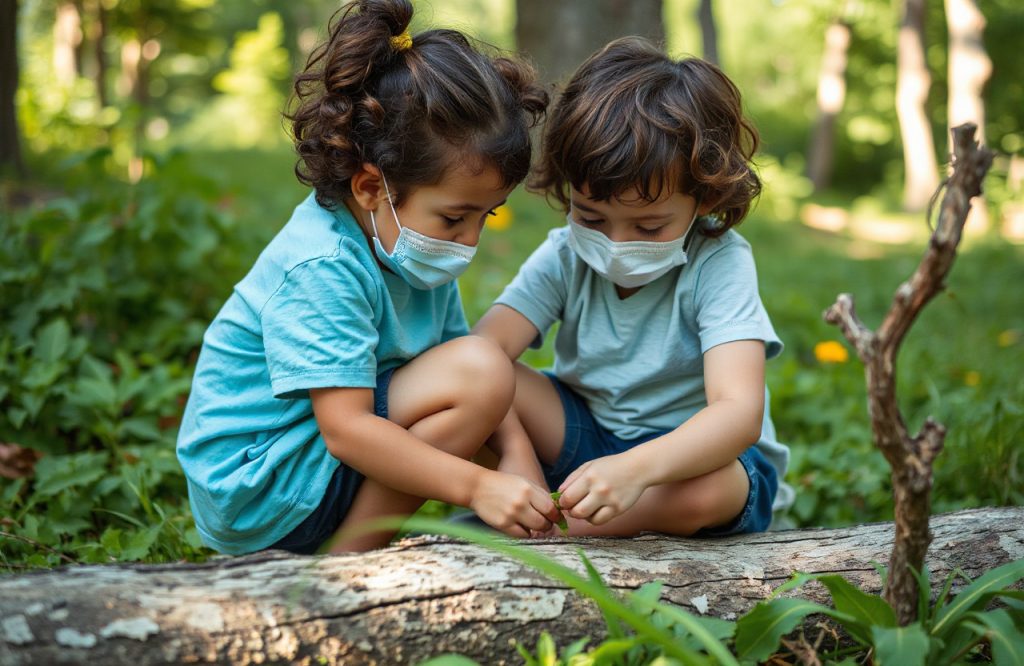
Impact of the COVID-19 Pandemic on Children’s Connection to Nature
Introduction to Lockdowns and Their Effects
During the initial year of the COVID-19 pandemic, lockdowns emerged as a prevalent public health strategy aimed at curbing the spread of the SARS-CoV-2 virus. This significant disruption to daily life has the potential to yield both long-term positive and negative outcomes for individuals.
Research on Children and Nature
A recent article titled “Understanding changes to children’s connection to nature during the COVID-19 pandemic and implications for child well-being” explored how the pandemic influenced the disconnection between children and the natural world. Access to green spaces is linked to numerous benefits, including reduced stress, improved emotional and behavioral health, and lower levels of anxiety and depression.
Pathways Influencing Human-Nature Connection
The study identified three pathways that reflect changes in the relationship between humans and nature during the pandemic:
1. **Opportunity Pathway**: This pathway encompasses both positive and negative changes in the opportunities to access and engage with nature. For instance, while individuals had more time to spend outdoors, their options for locations were often restricted.
2. **Capability Pathway**: This pathway focuses on an individual’s ability—both physically and psychologically—to engage with nature. It considers whether individuals are inclined to spend more time outdoors.
3. **Motivation Pathway**: This pathway pertains to the willingness, drive, and desire to connect with nature.
Findings on Children’s Outdoor Access
The research indicated that children with immediate access to outdoor spaces exhibited a more positive relationship with nature compared to those who faced restrictions. The findings suggest that this connection may help mitigate some of the adverse effects associated with the initial lockdown. However, the study also highlights areas needing improvement, particularly the need to enhance access to nature in lower-income communities.
Context of the Research
It is important to note that the initial survey was conducted during the first lockdown period of 2020 (spring/early summer), a time characterized by pleasant weather that encouraged outdoor activity.
Reference
Friedman S, Imrie S, Fink E, Gedikoglu M, and Hughes C. (2021) “Understanding changes to children’s connection to nature during the COVID-19 pandemic and implications for child well-being” People and Nature 0:1-11 DOI:10.1002/pan3.10270