Impact of Potato Consumption on Health Outcomes
Introduction to Potatoes and Health Risks
Potatoes serve as a dietary staple in various cultures and are rich in micronutrients. However, their high starch content results in a significant glycemic index, which has been linked to obesity, diabetes, and heart disease. Recent research aimed to explore the relationship between potato consumption and the risk of premature death among older North American adults, revealing a notable association between fried potato intake and increased mortality risk.
The Role of Potatoes in Diet
Historically, potatoes have been integral to Western diets, providing essential micronutrients that may reduce morbidity and mortality rates. Despite their benefits, potatoes possess a high glycemic index due to their substantial starch content, while their energy density remains low owing to high water content. Foods with elevated glycemic indices are frequently associated with a higher likelihood of developing health issues such as obesity, diabetes, and cardiovascular diseases. The prevalence of processed potato products, including French fries and chips, exacerbates these health risks in North America.
Study Overview and Methodology
A study led by Veronese and colleagues investigated the correlation between potato consumption, both fried and unfried, and the risk of premature death in older North American adults. The findings were published in the American Journal of Clinical Nutrition. Researchers utilized data from the Osteoarthritis Initiative (OAI) database, which comprises participants recruited from four clinical centers across the United States.
Eligibility criteria for the OAI participants included either having knee osteoarthritis with reported pain within the past year or being at high risk for knee osteoarthritis due to underlying factors such as obesity or prior knee injuries. Initially, the dataset included 4,796 North American participants aged 45-79 years, with 396 excluded for insufficient information on potato consumption or implausible calorie intakes. The study monitored participants over an eight-year follow-up period.
Assessing Potato Consumption
Information on potato consumption was gathered using the Block Brief 2000 food-frequency questionnaire, which assesses individual food and beverage consumption over the past year. This questionnaire included inquiries regarding food frequency and preparation methods, specifically focusing on two forms of potato consumption: fried (French fries, fried potatoes, or hash browns) and unfried (broiled, baked, mashed potatoes, and potato salad). Participants’ consumption was categorized into five groups based on frequency.
Key Findings of the Study
The study revealed no significant link between the consumption of white potatoes and mortality. Notably, a majority of participants reported consuming potatoes 2-3 times or more per month, with one-third consuming them three or more times per week. The research also identified a connection between higher potato intake and other risk factors for mortality, including male gender, increased comorbidities, higher body mass index (BMI), and lower adherence to a Mediterranean diet.
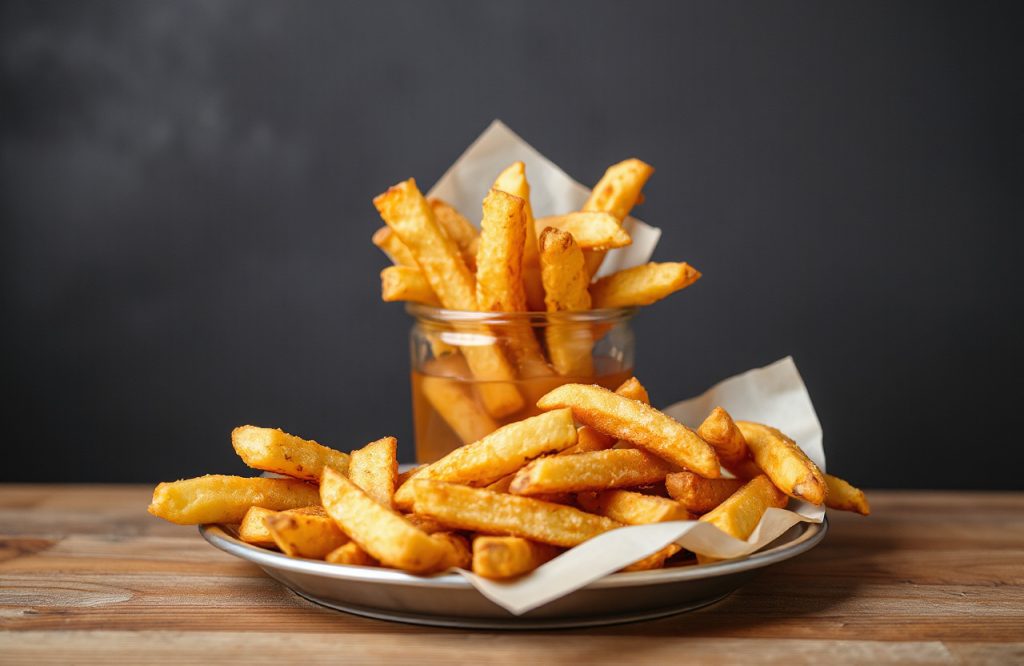
Crucially, the consumption of fried potatoes was strongly associated with a heightened risk of death, with the likelihood of mortality more than doubling among those who frequently consumed them.
Limitations of the Research
The study presented several limitations. Firstly, researchers could not determine cause-specific mortality rates. Secondly, the influence of biohumoral markers, such as inflammation or insulin resistance, on the link between potato consumption and mortality was not assessed. Additionally, the reliance on self-reported medical information may introduce bias, and nutritional data could be affected by inaccurate recall. Lastly, dietary habits may have changed between baseline measurements and follow-up assessments.
Conclusion
While the high consumption of potatoes in North America does not generally lead to premature death, the findings regarding fried potato consumption raise concerns about increased mortality risk. Further studies are essential to investigate the specific health factors, such as BMI and insulin resistance, that may contribute to this elevated risk.
Written By: Sara Alvarado BSc, MPH