Gadolinium Deposits in the Brain: Insights from MRI Studies
Understanding Gadolinium as a Contrast Agent
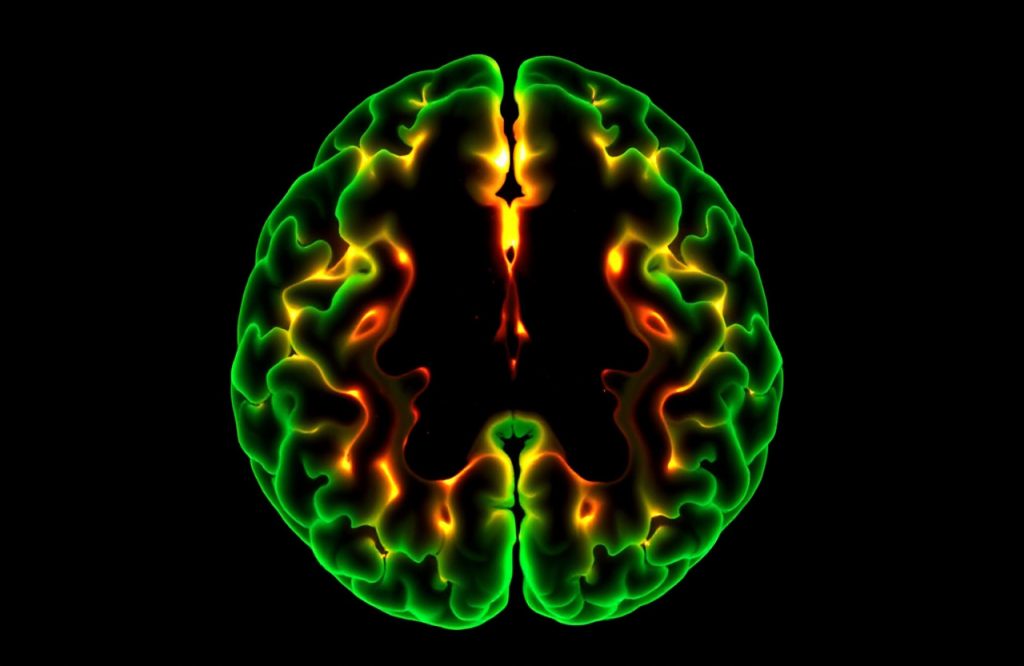
Gadolinium is utilized as a contrast agent in magnetic resonance imaging (MRI) to enhance the clarity of images. Recent findings indicate that patients who undergo multiple MRI scans using gadolinium-based contrast agents (GBCA) may develop gadolinium deposits in specific regions of the brain. This phenomenon is attributed to the preferential uptake of the dye in certain brain areas.
Findings from Dr. Robert McDonald’s Interview
In an interview conducted by Tricia Ward of Medscape, Dr. Robert McDonald, a leading author on the subject, discussed the prevalence of gadolinium brain deposition. He noted that this occurrence is not limited to adults but is also found in pediatric patients. While gadolinium can accumulate in various tissues throughout the body, its detection in organs such as the liver and kidneys is challenging due to the lack of preferential uptake in these areas.
At-Risk Patient Populations
Patients suffering from conditions like multiple sclerosis and cancer, who frequently undergo MRI scans, are particularly susceptible to experiencing gadolinium deposition in the brain.
Safety Concerns and Recommendations
Currently, there is no evidence suggesting that gadolinium deposits in the brain pose any health risks. The U.S. Food and Drug Administration (FDA) has assessed the risk as mild. However, experts have proposed a preference for macrocyclic GBCAs, which are known to deposit less gadolinium compared to their linear counterparts. Despite this recommendation, linear GBCAs have a notable advantage: they exhibit a significantly lower rate of adverse allergic-like reactions, including fatal incidents.
Conclusion on GBCAs in Medical Practice
Overall, gadolinium-based contrast agents have proven to be well tolerated and have been administered to hundreds of millions of patients. Despite the concerns regarding brain deposits, evidence does not support that GBCAs are harmful. A risk/benefit analysis suggests that their continued use is justified for diagnostic purposes. As Dr. McDonald aptly stated, “If GBCAs were removed from clinical practice, we would be set back 20-30 years in terms of our diagnostic capability.”
Written by Asongna T. Folefoc
Reference: Tricia Ward (July 24, 2017). An Interview with Dr. Robert McDonald. http://www.medscape.com/viewarticle/882853?src=WNL_infoc_170729_MSCPEDIT_TEMP2&uac=24768FT&impID=1399549&faf=1