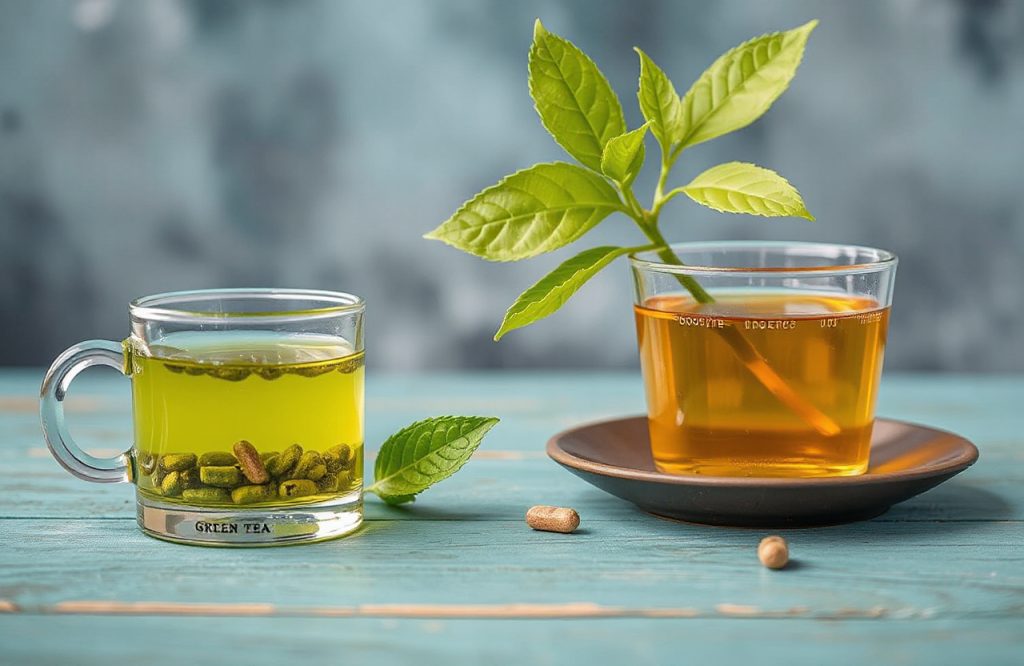
Understanding Muscle Fatigue and Oxidative Stress in Athletes
The Impact of Intensive Exercise
Muscle fatigue frequently arises from rigorous exercise routines, potentially resulting in muscle damage. This condition often stems from elevated levels of reactive oxygen species, which lead to oxidative stress. While regular exercise offers numerous health benefits, intense physical activity can result in muscle fatigue, inflammation, and even damage, particularly among athletes.
The Role of Oxygen and Oxidative Stress
During strenuous exercise, the body consumes more oxygen, which can trigger oxidative stress. This occurs when the production of reactive oxygen species exceeds the body’s capacity to manage them. Many plant-based products, such as green tea and sour tea (Hibiscus sabdariffa L.), are known to contain antioxidant compounds that may shield the body from oxidative damage.
Study on Green Tea and Sour Tea Supplements
Research Overview
Despite the known benefits of antioxidants, limited research has focused on the effects of green tea and sour tea supplements on oxidative stress and muscle damage in athletes. A recent study conducted in Iran and published in the Journal of Dietary Supplements sought to address this gap.
Study Design and Participants
The study involved 49 male soccer players aged 18 to 25, all of whom had been exercising at least three times a week for two years. Participants were required to have a body mass index (BMI) between 20-25 kg/m². Those with a history of tobacco or alcohol use, recent surgeries, or prior use of dietary supplements within a month of the study were excluded. The participants were divided randomly into three groups, receiving either green tea extract (GTE), sour tea extract (STE), or a placebo (maltodextrin) in 450 mg capsules, consumed daily for six weeks. All participants maintained a consistent exercise regime throughout the study.
Biomarker Assessments
Fasting blood samples were collected at both the start and conclusion of the study to evaluate serum levels of three muscle damage biomarkers: aspartate aminotransferase (AST), creatine kinase (CK), and lactate dehydrogenase (LDH), along with two oxidative stress biomarkers: malondialdehyde (MDA) and total antioxidant capacity (TAC). Additionally, participants’ dietary habits and physical activity were assessed at both time points.
Findings of the Study
The results indicated that neither GTE nor STE significantly altered the levels of the three muscle damage biomarkers. However, the oxidative stress biomarker analysis revealed that STE increased TAC levels, while both GTE and STE contributed to reduced MDA levels. These findings suggest that GTE and STE supplements may effectively mitigate oxidative stress in male athletes.
Implications and Future Research
The positive effects of GTE and STE on oxidative stress are consistent with previous shorter studies involving male athletes. Although the findings for STE are limited, they suggest it may possess greater antioxidant capabilities than GTE. Nonetheless, the study’s results primarily apply to male athletes, and caution is advised when generalizing to older or female athletes. Further large-scale studies are necessary to explore the effects of GTE and STE supplements on a broader range of oxidative stress biomarkers and over extended periods.
Conclusion
The research highlights the potential benefits of green tea and sour tea supplements in reducing oxidative stress among male athletes. Continued investigation is essential to validate these findings across different demographics and exercise contexts.