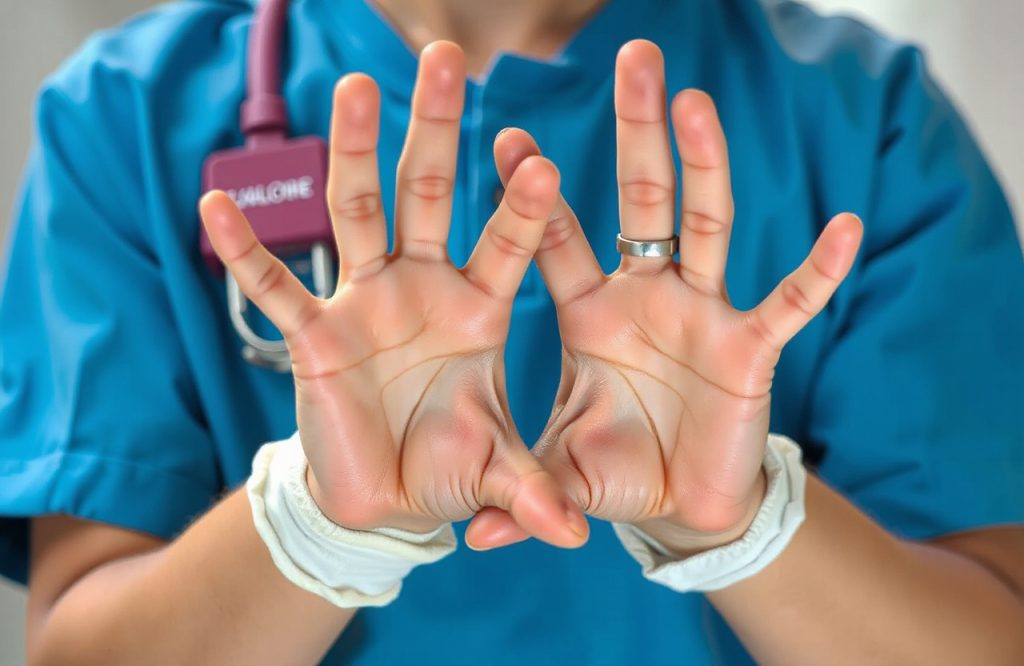
Hand Transplantation: A Life-Changing Procedure for Patients
Overview of Hand Transplantation
Hand transplantation presents a significant opportunity to enhance the quality of life for patients, despite associated risks. Recent advancements in surgical techniques have greatly improved since the first hand transplant was performed in 1998. While these procedures are not life-saving, they can profoundly impact recipients’ daily lives, often outweighing the risks involved with immunosuppression therapy, which is necessary to prevent the body from rejecting the transplant.
Benefits for Pediatric Patients
Children can particularly benefit from hand transplants due to their developing nervous systems, which may allow for better integration and functional use of transplanted hands. However, performing such surgeries on children introduces various technical challenges due to their smaller size, alongside the heightened risks related to immunosuppression at a young age.
Case Study: The First Double-Hand Transplant in a Child
Details of the Procedure
In a groundbreaking report published in the Lancet Child and Adolescent Health, Amaral and colleagues documented the first double-hand transplant in a child, conducted at the Children’s Hospital of Philadelphia. The recipient, an eight-year-old boy, had lost both hands and feet due to a staphylococcal infection at the age of two. By the time of the transplant, he had undergone a kidney transplant at four years old and was already on immunosuppressive medication, but retained good function in his remaining limbs. The donor hands were secured within three months.
Post-Transplant Monitoring and Rehabilitation
Following the transplant, the patient was monitored daily. Doctors regularly evaluated the dexterity and sensory responses of the transplanted hands, while the boy participated in customized occupational therapy designed to maintain his engagement. Psychological support was also provided for both the patient and his mother.
Recovery and Challenges
The patient demonstrated immediate finger movement following the surgery. Muscle mapping in his brain occurred between seven and ten months post-transplant, and he gradually regained sensation in his hands. Within weeks, he learned to adapt his perception of arm length and personal space. By 12 months, he had recovered some sensation on both the front and back of his hands, and his bone structure healed as expected. Although he experienced two episodes of rejection—at four and seven months—these were effectively managed with treatment. The boy expressed pride in his progress, although the lengthy hospitalization proved challenging.
Conclusion: Evaluating the Long-term Implications
Overall, the first double-hand transplantation in a child was deemed successful. The most significant complications stemmed from immunosuppression therapy and its potential impact on the patient’s previous kidney transplant. This risk may not be justified for lower limb transplants, which can typically be replaced with prosthetics. Additionally, ongoing chronic rejection of the transplanted hands could lead to amputation, potentially reducing the benefits of the procedure. Future research and longer-term data are essential to guide these critical decisions.
Reference
Amaral et al. 2017. 18-month outcomes of heterologous bilateral hand transplantation in a child: A case report. The Lancet. http://dx.doi.org/10.1016/S2352-4642(17)30012-3