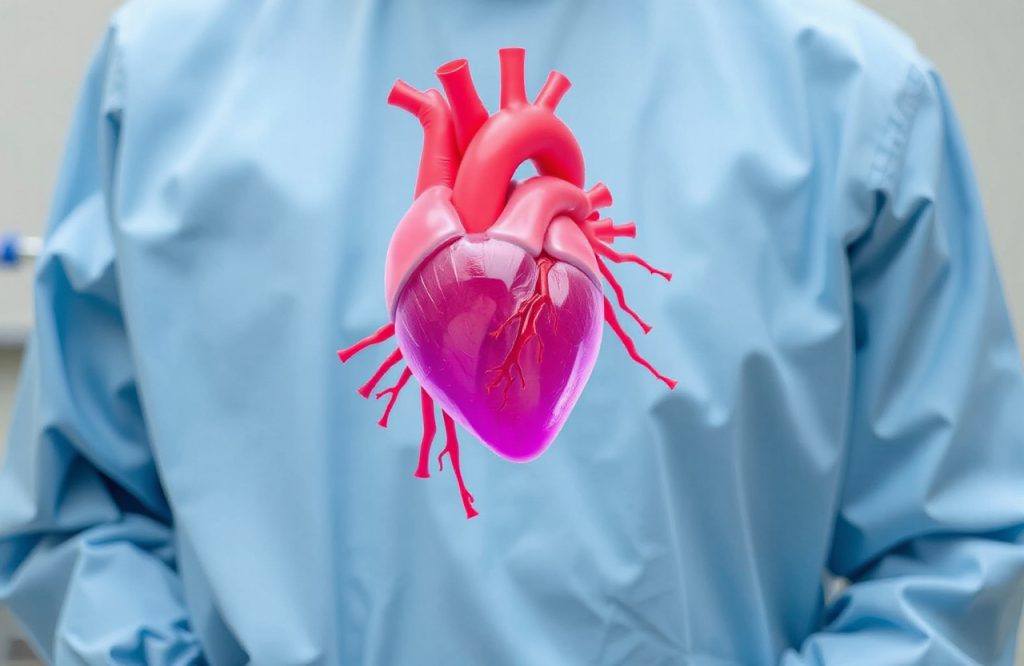
Research Explores Link Between Gut Bacteria and Heart Transplant Success
Introduction to Gut Bacteria and Immune System Interaction
The concept of gut bacteria has gained significant attention in both popular health discussions and scientific research. This interest stems from evidence suggesting that a healthy gut microbiome plays a crucial role in various bodily functions, particularly in the immune system.
Challenges in Heart Transplant Surgery
One of the major challenges in organ transplantation, including heart transplants, is the risk of rejection by the recipient’s immune system. Despite two decades of extensive research and advancements in medical practices, rejection rates for certain transplanted organs remain unchanged.
New Research Directions
A collaborative research team from the USA and Europe has initiated a new approach to understanding organ rejection by focusing on the relationship between gut bacteria and the immune system. Their findings are detailed in the Journal of Clinical Investigation Insight.
Methodology of the Study
To investigate the influence of gut bacteria on organ acceptance, the researchers conducted experiments on mice with three distinct types of gut bacterial profiles: normal mice, pregnant mice, and mice with diarrhea. The rationale behind this classification was based on the immunosuppressive state of pregnant mice, which helps prevent fetal rejection. Conversely, the gut bacteria from mice with diarrhea were associated with inflammation, representing the immune system’s reactive response.
Findings on Heart Transplant Outcomes
Following heart transplant surgeries performed on these mice, the researchers observed varied responses among the three groups. Mice with gut bacteria typical of pregnant mice exhibited extended survival rates for the transplanted heart and lower levels of inflammation compared to those with normal or diarrheic gut bacteria.
Conclusions and Future Research Implications
The study’s authors concluded that specific gut bacteria associated with pregnant mice may influence immune responses and could serve as indicators for the success of heart transplant surgeries. They emphasized the importance of redirecting research to explore the gut’s role in transplantation, suggesting that a deeper understanding of gut bacteria and its interaction with inflammation could lead to improved diagnostic tools and targeted therapies. Such advancements may enhance outcomes for patients undergoing heart transplant procedures.
Reference
Bromberg J, Hittle L, Xiong Y, et al. Gut microbiota–dependent modulation of innate immunity and lymph node remodeling affects cardiac allograft outcomes. Jci Insight. 2018;3(19):e121045. doi:10.1172/jci.insight.121045.