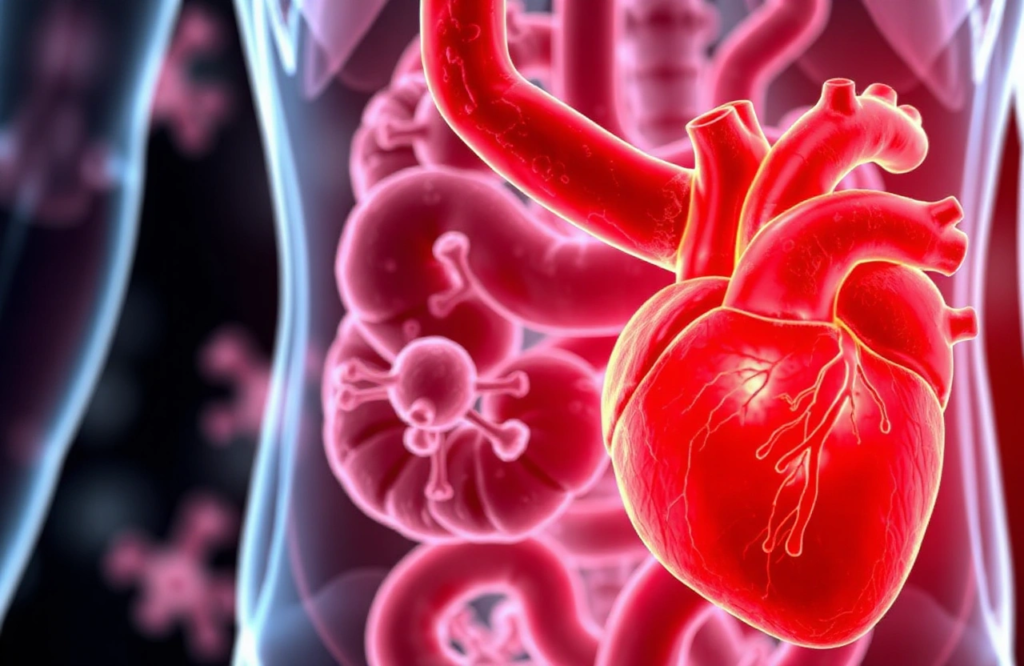
Impact of Gut Bacteria on Heart Disease Risk
Study Overview
Recent research suggests that changes in gut bacteria may indicate the risk of heart disease. This study has identified specific bacterial species linked to coronary artery disease and has explored essential metabolic pathways, metabolic products, genes, and functional differences among various bacteria.
Gut Microbiome and Heart Health
Experts are increasingly interested in the relationship between gut microorganisms and heart health. The findings from this study could lead to innovative strategies for addressing coronary artery disease through gut-related interventions.
Coronary Artery Disease Statistics
According to the Centers for Disease Control and Prevention (CDC), coronary artery disease is one of the most prevalent forms of heart disease, characterized by the accumulation of plaque in the arteries of the heart.
Research Methodology
The study, published in mSystems, analyzed stool samples from both healthy individuals and those diagnosed with coronary artery disease. This comparative analysis revealed significant differences in gut bacteria between the two groups.
Significance of Findings
The results indicate that evaluating gut bacteria and their metabolites could be instrumental in assessing the risk of coronary artery disease. Furthermore, these findings enhance our understanding of how gut bacteria may influence cardiovascular health, potentially leading to new treatment approaches that leverage this relationship.