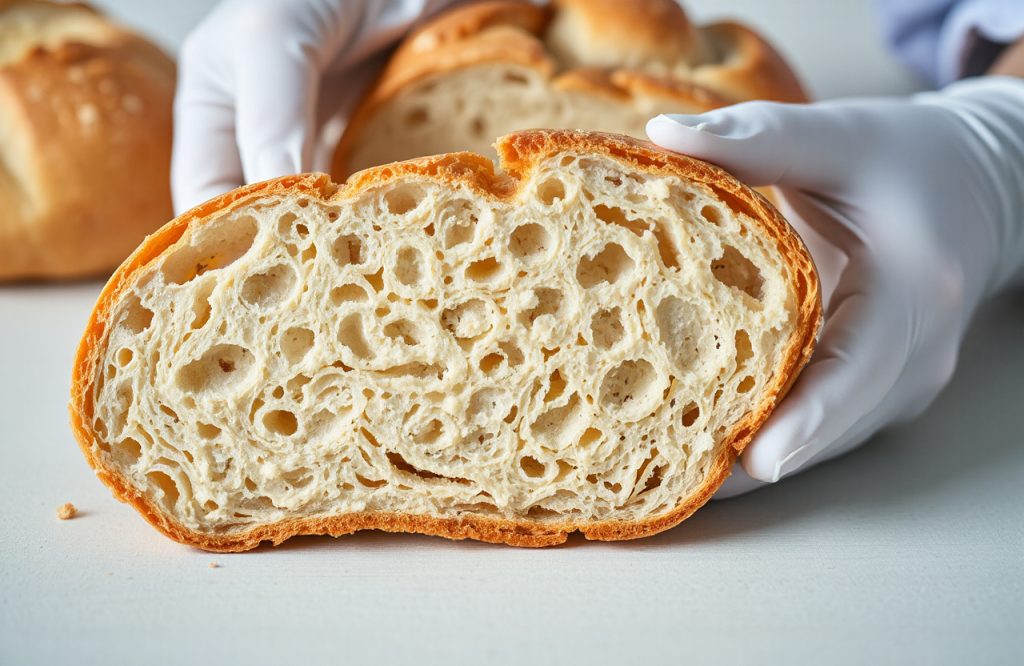
The Impact of Bread on Human Health
Understanding Bread and Its Effects
The effects of bread on our bodies remain poorly understood, and there is ongoing debate about which types of bread are healthier. A study conducted by Korem and colleagues, published in *Cell Metabolism*, highlights the critical role of the gut microbiome in determining the health benefits of various kinds of bread.
Historical Context and Ingredients
Despite bread being a staple in many diets, the interaction between different types of bread and flour with our bodies is not fully comprehended. The methods of bread production have evolved significantly over the past two centuries. While many studies indicate that whole grains and whole grain flour, along with wild yeast used in sourdough, offer notable health benefits compared to baker’s yeast found in mass-produced bread, the relative advantages of different ingredients remain uncertain. One pathway through which these benefits may manifest is the post-prandial glycemic response, which refers to the body’s blood sugar reaction following food consumption.
Research on Glycemic Response and Gut Microbiome
Recent findings reveal that the gut microbiome may have a substantial influence on glycemic responses. In their study published in *Cell Metabolism*, Korem and colleagues explored the interactions among different bread types, individual gut microbiomes, and glycemic responses. The study involved 20 healthy adults who were randomly assigned to consume either industrial white bread or artisanal whole-grain sourdough bread for one week. Following a two-week washout period, the participants switched bread types for the second week of the study, utilizing a crossover design.
Methodology and Findings
Researchers primarily measured glycemic responses while controlling for the quantity of bread consumed. They also gathered data on participants’ typical bread and carbohydrate intake prior to the study. Participants were instructed to avoid other wheat products, including alternative breads and pasta, during the experiment. Additionally, stool samples were collected to sequence the gut microbiomes at both the baseline and the conclusion of each experimental week.
During the experiment, participants consumed a higher proportion of calories from bread than they typically would, leading to changes in various health markers, including decreases in low-density cholesterol, iron, calcium, and magnesium levels, as well as an increase in inflammation markers. Interestingly, the study revealed no significant differences in glycemic responses between those consuming industrial white bread and those eating artisanal whole-grain sourdough bread.
Individual Variability in Glycemic Responses
Unexpectedly, researchers found that participants exhibited individual variability in their glycemic responses to both types of bread. These responses could be predicted based on the participants’ gut microbiomes. Notably, the study indicated that individuals did not experience changes in their gut microbiomes after consuming larger quantities of bread, which contrasts with findings from other studies focusing on animal-based, plant-based, or whole grain products.
Implications for Future Recommendations
The results suggest the potential for personalized dietary recommendations regarding bread consumption and other foods based on gut microbiome data. Korem and colleagues propose that future nutritional guidelines should consider individual differences more effectively, moving beyond the simplistic classification of foods as “healthy” or “unhealthy.”
Reference
Korem et al. 2017. Bread affects clinical parameters and induces gut microbiome-associated personal glycemic responses. *Cell Metabolism* 25:1243-1253.