NIH Scientists Raise Alarms Over HPAI H5N1 Virus in Texas Farm Worker
Discovery of the Virus
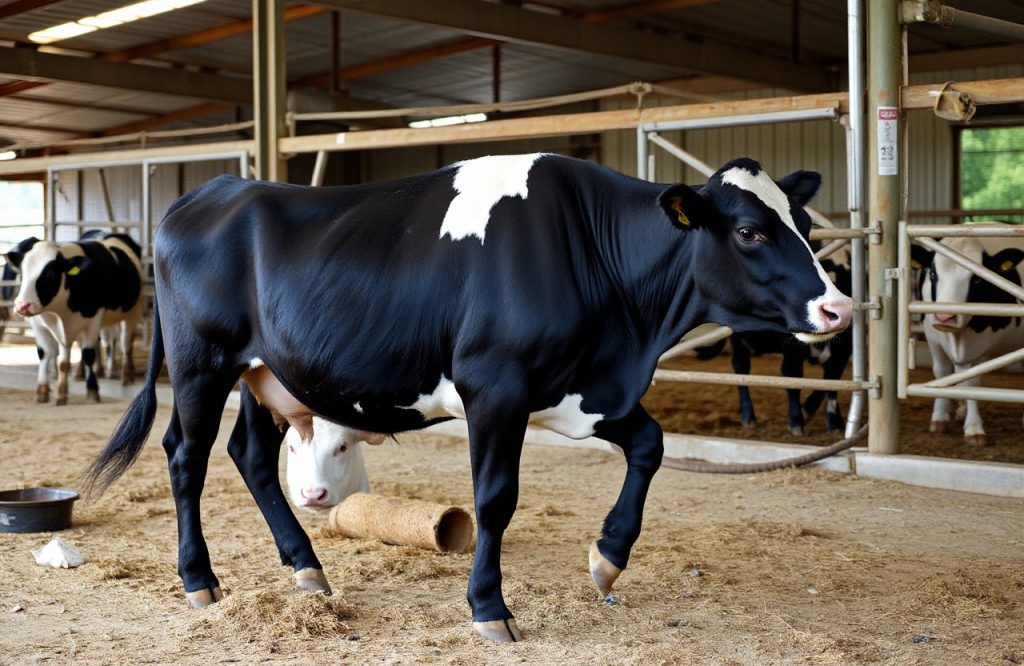
NIH scientists are sounding the alarm after identifying a highly pathogenic avian influenza (HPAI) H5N1 virus, known as huTX37-H5N1, in a Texas farm worker earlier this year. The virus was isolated from the worker’s eye and is believed to have originated from contact with infected dairy cows. Although the worker only experienced mild conjunctivitis, laboratory tests revealed the virus was lethal in mice and ferrets.
Concerns Regarding Raw Milk Consumption
This incident raises important questions about the implications of consuming “bird flu milk” in light of the growing trend toward raw, unpasteurized milk. Advocates often cite health benefits, but raw milk can harbor harmful pathogens, including the H5N1 virus, posing severe health risks to consumers. The presence of bird flu on dairy farms highlights the critical role of pasteurization in ensuring milk safety and protecting public health.
Increased Airborne Transmission of H5N1
Laboratory Findings
In an October 2024 study published in *Nature*, researchers from the University of Wisconsin-Madison examined the transmission dynamics of this newly identified strain of bird flu. Their findings indicated that huTX37-H5N1 spreads more easily through the air compared to other strains. In controlled experiments, they observed that 17-33% of healthy ferrets housed near infected ones developed severe illness and died, resembling outcomes in directly infected ferrets.
Genetic Analysis and Implications for Humans
Upon analyzing the genome of the conjunctivitis-causing strain, scientists discovered a mutation that enhances its ability to replicate in mammals, thereby increasing its potential threat to human health.
Should We Be Concerned About Bird Flu in Cow’s Milk?
Previous Incidents and Epidemiological Concerns
The huTX37-H5N1 virus is not an isolated incident; earlier in 2024, a significant outbreak of highly pathogenic bird flu occurred among U.S. cows, leading to inter-herd transmission and infections in other animals, including poultry and cats. Epidemiologists are increasingly concerned about the potential for human infections.
Research on Transmission Through Milk
Public health researchers have begun investigating whether bird flu can be transmitted through cow’s milk, given its prevalence in North American diets. In July of this year, Wisconsin researchers demonstrated that HPAI H5N1 infected cows had viral particles in their milk, which made ferrets sick when consumed. Additionally, infected ferrets and mice accumulated the virus in their mammary glands.
Transmission Dynamics Observed
While the virus was transmitted through milk, it did not spread rapidly among ferrets in separate cages; only one out of four ferrets exposed to the virus showed signs of infection, and no virus was detected in their bodies. Despite this, DNA sequencing indicated that the strain has mutated to enhance its ability to infect humans.
Understanding H5N1 and Its Risks
Comparing H5N1 Strains
The huTX37-H5N1 strain is distinct from the Bovine H5N1 observed in cow herds earlier this year, as it appears to be airborne and capable of infecting the human upper respiratory tract. Laboratory tests confirmed that huTX37-H5N1 can infect human respiratory cells, raising concerns about its potential to cause significant illness in humans. However, most reported human cases in the current outbreak have only manifested mild symptoms, primarily conjunctivitis.
Potential Protective Factors and Treatments
Researchers speculate that prior exposure to seasonal influenza viruses may provide some protection against huTX37-H5N1. Furthermore, the study revealed that this strain is susceptible to several antiviral drugs, including favipiravir, baloxavir marboxil (Xofluza), and zanamivir.
References
1. Gu C, Maemura T, Guan L, et al. A human isolate of bovine H5N1 is transmissible and lethal in animal models. *Nature*. Published online October 28, 2024. doi:10.1038/s41586-024-08254-7
2. HPAI in livestock: Animal and Plant Health Inspection Service (no date) HPAI in Livestock | Animal and Plant Health Inspection Service. Available at: https://www.aphis.usda.gov/livestock-poultry-disease/avian/avian-influenza/hpai-detections/livestock (Accessed: 07 November 2024).
3. Eisfeld AJ, Biswas A, Guan L, et al. Pathogenicity and transmissibility of bovine H5N1 influenza virus. *Nature*. 2024;633(8029):426-432. doi:10.1038/s41586-024-07766-6