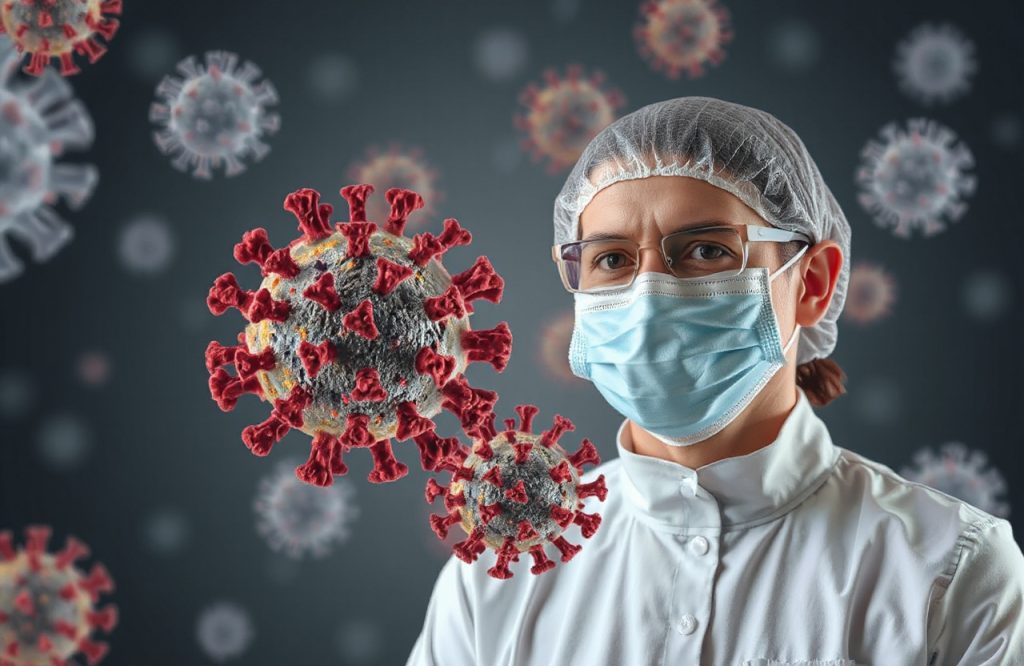
Bacteria and Viruses: A Complex Relationship
Understanding Bacteriophages
Bacteriophages, commonly referred to as phages, are viruses that exclusively infect bacterial cells. Unlike many other viruses, phages cannot reproduce on their own; they depend on bacterial hosts for energy and resources to generate new phage particles.
Once a phage attaches to a bacterial cell, it injects its genetic material, commandeering the cell’s machinery to produce additional phages. Eventually, these new phages cause the host cell to burst, a process known as lysis, allowing them to infect other bacterial cells. This targeting and killing ability make phages promising candidates for treating bacterial infections, particularly in an era of increasing antibiotic resistance.
Phages in Cancer Diagnosis
Bacteriophages also show potential in oncology. Researchers can modify phages to carry specific proteins that bind to human cancer cells, facilitating non-invasive detection and monitoring of cancer progression. For instance, engineered phages have successfully demonstrated the ability to detect gastrointestinal cancers by producing fluorescent signals in the presence of cancer markers, which can be observed using fluorescence microscopy.
Therapeutic Applications of Bacteriophages in Cancer Treatment
Recent interest has emerged in utilizing bacteriophages as a therapeutic option for cancer management. They can potentially reduce or eliminate tumors through various mechanisms:
Inducing Direct Cell Death
Genetically modified phages can specifically target cancer cells and deliver therapeutic agents, such as chemotherapy drugs, directly to these cells. Upon infecting cancer cells, phages replicate until the host cell bursts. Since phages are specific to bacterial cells, they do not infect human cells unless engineered to recognize specific cancer markers, making them precise therapeutic tools.
Triggering an Immune Response
Bacteriophages can also stimulate immune cells, resulting in an anti-tumor response. By binding to receptors on immune cells, phages can prompt actions such as the production of inflammatory molecules, activation of phagocytosis (where immune cells engulf bacteria), and triggering antibody production.
Enhancing Chemotherapy Efficacy
The presence of certain bacteria in the tumor microenvironment can promote tumor growth and hinder chemotherapy effectiveness. Bacteriophages can target and eliminate these bacteria, potentially improving chemotherapy outcomes.
Conclusion
In summary, while viruses pose challenges for bacteria, they may offer significant benefits for humans, particularly in cancer diagnosis and treatment. As research continues, the dual role of bacteriophages as both diagnostic and therapeutic tools could reshape our approach to managing diseases.
References
Foglizzo V, Marchiò S. Bacteriophages as Therapeutic and Diagnostic Vehicles in Cancer. Pharmaceuticals (Basel). 2021;14(2):161. Published 2021 Feb 17. doi:10.3390/ph14020161
Krut O, Bekeredjian-Ding I. Contribution of the Immune Response to Phage Therapy. The Journal of Immunology. 2018;200(9):3037-3044. Published 2018 May 1. doi:10.4049/jimmunol.1701745