Introduction to LED Therapy in Dermatology
Overview of LED Therapy
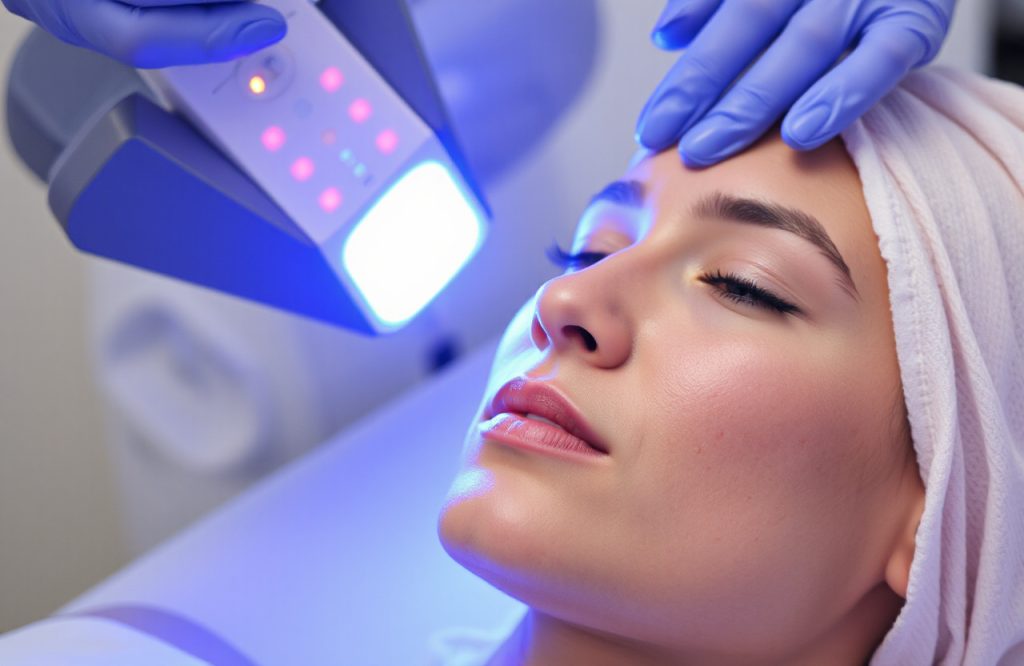
Light-emitting diode (LED) therapy is increasingly recognized for its effectiveness in addressing various skin conditions. The growing research in this area has yielded numerous positive findings.
Mechanism of Action
LED light stimulation triggers natural photobiochemical reactions in the skin. The effects of these biochemical processes vary based on the wavelength of light employed. Noteworthy outcomes include antibacterial properties, enhanced regeneration, and decreased inflammation.
Applications in Dermatology
The use of LED therapy in dermatology encompasses a broad spectrum of applications, including anti-aging treatments, psoriasis management, wound healing, and dermatitis. Notably, LED therapy has shown promising results in the treatment of mild to moderate acne.
Evidence Supporting LED Therapy for Acne
Clinical Trials and Findings
A review of eight randomized controlled clinical trials focused on the efficacy of LED therapy for Acne Vulgaris. These studies indicated a reduction in total lesion count by as much as 77%, along with a decrease in lesion size.
Treatment Recommendations
The review suggests utilizing LED therapy with blue light at 6-40 mW/cm² or red light at 8-100 mW/cm². It recommends 20-minute treatment sessions, conducted twice weekly for four to eight weeks, as a protocol for effectively reducing acne and associated inflammation.
Safety and Side Effects
Clinical data confirms the safety of LED therapy for treating acne vulgaris, with only mild side effects reported. These include dryness, pigment changes, redness, peeling, and stinging, while no severe adverse events were documented. The authors of the study also propose that LED therapy may be a suitable choice for pregnant women dealing with acne, as retinoid treatments are not advised during pregnancy.
Related Resources
Wilderman Medical Cosmetic Clinic provides LED therapy services in Ontario.
References
Lee SY, You CE, Park MY. (2007). Blue and red light combination LED phototherapy for acne vulgaris in patients with skin photo type IV. Lasers Surg Med. Feb;39(2):180-8.
Tremblay JF, Sire DJ, Lowe NJ, Moy RL. (2006). Light-emitting diode 415nm in the treatment of inflammatory acne: an open-label, multicentric, pilot investigation. J Cosmet Laser Ther. Apr;8(1):31-3.
Goldberg DJ, Russell BA. (2006). Combination blue (415nm) and red (613nm) LED phototherapy in the treatment of mild to severe acne vulgaris. J Cosmet Laser Ther. Jun;8(2):71-5.
Morton CA, Scholefield RD, Whitehurst C, Birch J. (2005). An open study to determine the efficacy of blue light in the treatment of mild to moderate acne. J Dermatolog Treat. 2005;16(4):219-23.
Jagdeo A, Austin E, Mamalis A, Wong C, Ho D, and Siegel DM. (2018). Light-Emitting Diodes in Dermatology: A Systematic Review of Randomized Controlled Trials. Lasers in Surgery and Medicine. 50:613–628.
Disclaimer
Any websites linked from the Medical News Bulletin site are created by organizations external to Medical News Bulletin and are solely their responsibility. These links are provided as a convenience for additional information only. Medical News Bulletin does not endorse the content on third-party websites and is not responsible for their accuracy. Use of third-party websites is at your own risk and subject to their terms and conditions. Medical News Bulletin does not provide specific medical advice, diagnosis, or treatment and disclaims any claims or liabilities.