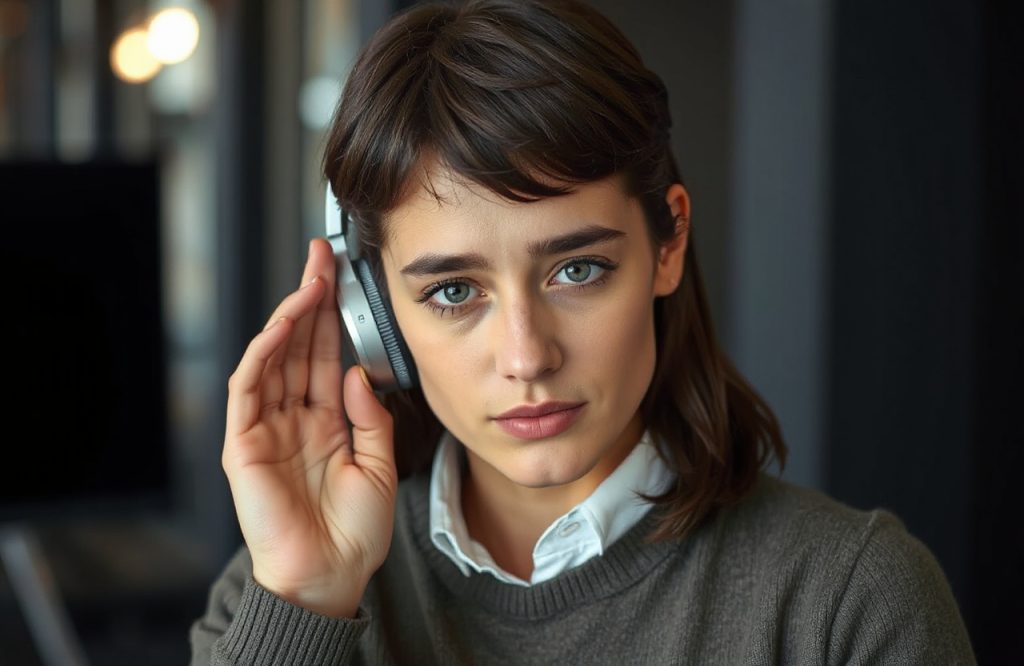
Impact of Hearing Loss in Older Adults
Understanding Presbycusis
A recent study highlights the physical, mental, and social challenges associated with hearing loss in older adults. The gradual decline in hearing, known as presbycusis, is a natural part of aging. Effective communication relies heavily on listening and speaking, and difficulties in hearing can result in feelings of depression, frustration, and embarrassment among the elderly. Currently, there is no established method to reverse hearing loss.
Research Study Overview
Researchers from the University of Tsukuba in Japan conducted a study to investigate the connections between self-reported hearing loss and three specific areas: limitations in outdoor activities, psychological distress, and self-reported memory loss. This cross-sectional study utilized data from the 2016 Comprehensive Survey of Living Conditions in Japan and included over 100,000 older adults. The research accounted for various demographic factors such as age, sex, smoking habits, alcohol consumption, education level, and household information.
Key Findings
Only 9% of participants reported experiencing hearing loss. However, within this subset, there was a notable increase in outdoor activity limitations, psychological stress, and memory loss compared to those without hearing difficulties. Interestingly, factors such as age and sex did not appear to influence these outcomes.
Expert Insights
In a press release, co-author Yoko Kabayashi remarked, “Hearing loss takes an enormous toll on older people in so many ways, physically and mentally, while limiting activities of daily living.” The study emphasizes the need for early identification and increased awareness to enhance the quality of life for the aging population. Implementing interventions may also help mitigate the risk of adverse health outcomes.
References
– “Hearing Loss: A Common Problem for Older Adults.” National Institute on Aging, U.S. Department of Health and Human Services, www.nia.nih.gov/health/hearing-loss-common-problem-older-adults.
– Iwagami, Masao, et al. “Associations between Self-Reported Hearing Loss and Outdoor Activity Limitations, Psychological Distress and Self-Reported Memory Loss among Older People: Analysis of the 2016 Comprehensive Survey of Living Conditions in Japan.” Geriatrics & Gerontology International, 2019, doi:10.1111/ggi.13708.
– Yamashina, Naoko. “Hearing Loss Tied with Mental, Physical, and Social Ailments in Older People.” EurekAlert!, www.eurekalert.org/pub_releases/2019-07/uot-hlt071919.php.
Image by RitaE from Pixabay.