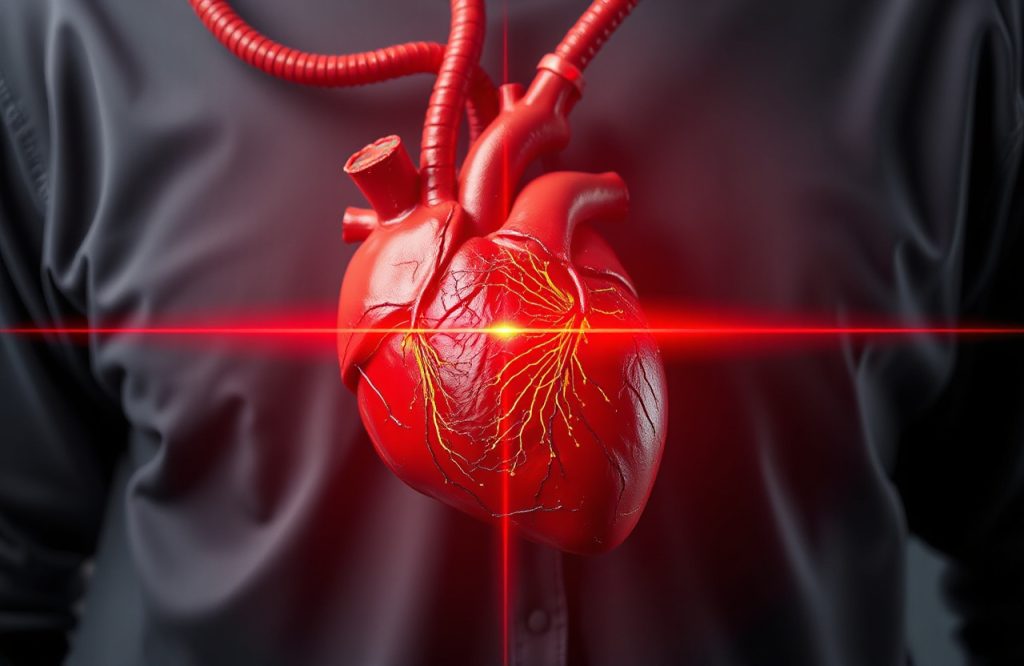
Understanding Heart Failure: A Comparative Study
Types of Heart Failure
Heart failure is a condition where a weakened or damaged heart cannot effectively pump blood throughout the body. It is categorized into two main types: heart failure with reduced ejection fraction (HFrEF) and heart failure with preserved ejection fraction (HFpEF). This classification hinges on whether the heart’s ability to contract is compromised.
Key Differences Between Reduced and Preserved Ejection Fraction
Patients with reduced ejection fraction exhibit impaired contractile strength, while those with preserved ejection fraction maintain a stronger pumping action. Although both types of heart failure are linked to adverse health outcomes, direct comparisons have been limited.
Research Insights from the REHAB-HF Clinical Trial
Study Overview
To explore the complications and other diseases associated with both types of heart failure, researchers, including Warraich and colleagues, analyzed data from the ongoing REHAB-HF clinical trial. Their study focused on 202 patients aged over 60 who had been hospitalized for heart failure for a minimum of 24 hours. The findings were published in the journal *Circulation: Heart Failure*.
Participant Analysis
Among the 202 participants, 96 were diagnosed with preserved ejection fraction, while 106 had reduced ejection fraction. Participants underwent various assessments and surveys to evaluate their physical and cognitive impairments, frailty, depression, and overall quality of life.
Findings on Impairments and Quality of Life
The study revealed significant physical and cognitive impairments in both patient groups. Specific observations included compromised mobility, decreased endurance, and weakened grip strength. A notable portion of patients from both categories was found to be frail. However, patients with preserved ejection fraction reported higher levels of depressive symptoms and a poorer quality of life compared to those with reduced ejection fraction.
Implications for Treatment and Rehabilitation
Importance of Further Research
The study underscores the necessity for additional research into the mechanisms of heart failure with preserved ejection fraction and the development of innovative strategies to address associated comorbidities.
Potential Rehabilitation Strategies
One avenue worth exploring is physical rehabilitation, which could help patients regain and enhance their physical functions, such as balance, strength, and stamina. Increased physical activity may not only restore physical capabilities but also improve overall quality of life and alleviate depressive symptoms.
Tailored Rehabilitation Approaches
While rehabilitation may prove beneficial, it is crucial to acknowledge that patients are often significantly compromised. Therefore, rehabilitation programs should be customized to meet the individual needs of each patient to minimize the risk of further injury.
Conclusion
The insights from this study reveal the complexities of heart failure, particularly in patients with preserved ejection fraction. Ongoing research and tailored rehabilitation strategies are essential in improving outcomes for this population.
Reference
Warraich, H. J., Kitzman, D. W., Whellan, D. J., Duncan, P. W., Mentz, R. J., Pastva, A. M., … & Reeves, G. R. (2018). Physical Function, Frailty, Cognition, Depression, and Quality of Life in Hospitalized Adults≥ 60 Years With Acute Decompensated Heart Failure With Preserved Versus Reduced Ejection Fraction: Insights From the REHAB-HF Trial. *Circulation: Heart Failure*, 11(11), e005254.