Understanding Serotonin Syndrome in the Perioperative Setting
Risks of Combining Herbal Supplements and Medications
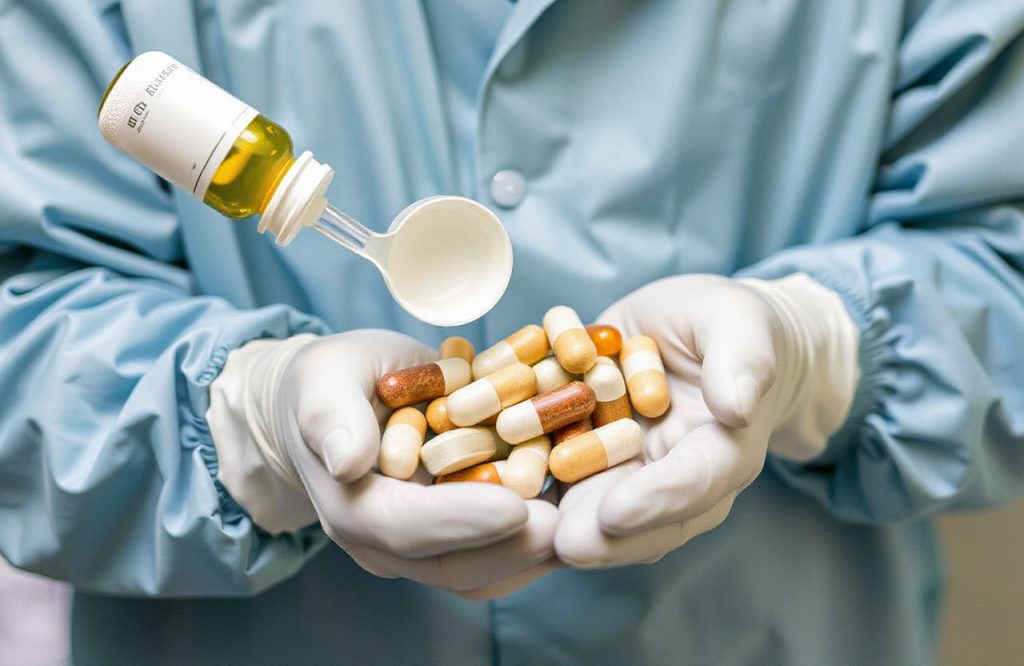
The combination of serotonin-inducing herbal supplements and medications can lead to an increased accumulation of serotonin in the neuronal synaptic cleft. This heightened serotonin level poses the risk of a potentially life-threatening condition known as serotonin syndrome. It is crucial for anesthesiologists to recognize this compounding effect, particularly when administering fentanyl and other opioids during surgical procedures, to prevent serotonin syndrome.
Medications Associated with Serotonin Syndrome
Several common medications are linked to serotonin syndrome, including antidepressants, anti-migraine drugs, opioids, herbal supplements, and various over-the-counter agents. Patients taking a mix of serotonergic agents may be at risk for perioperative serotonin syndrome, even with minimal doses of opioids like fentanyl during surgery.
Symptoms of Serotonin Syndrome
The clinical manifestations of serotonin syndrome can include alterations in mental status, stimulation of the autonomic nervous system, increased muscle tone and rigidity, as well as involuntary jerking movements of the limbs.
Case Reports Highlighting the Risks
Mary E. Warner and colleagues from the Department of Anesthesiology and Perioperative Medicine at the Mayo Clinic published two case reports regarding perioperative serotonin syndrome in the Canadian Journal of Anesthesia on June 30, 2017. Both patients were using a combination of serotonergic medications and herbal supplements.
Case 1: Immediate Reaction
In the first case, a 72-year-old male exhibited symptoms of serotonin syndrome immediately after receiving a second dose of intravenous fentanyl prior to a bone marrow biopsy. The anesthesiologist promptly recognized the symptoms and administered naloxone, which reversed the effects of fentanyl. The patient regained consciousness within a minute, and seizure-like activity ceased.
Case 2: Delayed Response
The second case involved a 19-year-old male who experienced a delayed onset of serotonin syndrome following a dental procedure requiring monitored anesthesia care. After leaving the hospital, he became unresponsive and displayed muscle jerking. He was readmitted to the postoperative care area, where intravenous benzodiazepines were administered, temporarily alleviating his myoclonic muscle activity. Ultimately, his symptoms resolved, and he was discharged.
Implications of Fentanyl Administration
Fentanyl was administered to both patients. The immediate onset of symptoms in the 72-year-old man suggested that the intravenous fentanyl compounded the serotonergic effects of his ongoing medications. In contrast, the delayed response in the 19-year-old may have been influenced by the concurrent administration of intravenous midazolam for sedation prior to the procedure. Benzodiazepines like midazolam and lorazepam can be used during serotonin syndrome to raise the seizure threshold.
Importance of Awareness and Prevention
Combining serotonergic herbal supplements and medications elevates the risk of perioperative serotonin syndrome. Anesthesiologists must be vigilant regarding the serotonin load in their patients and be adept at swiftly identifying serotonin syndrome to facilitate prompt reversal. Certain serotonergic agents may need to be discontinued before surgeries requiring anesthesia.
Anesthesiologists should familiarize themselves with the medications and herbal supplements that are serotonergic, as well as the diagnostic criteria for serotonin syndrome, including the Hunter Serotonin Toxicity Criteria. Early detection and prevention strategies are essential to avert life-threatening complications.
Conclusion
The management of serotonin syndrome in the perioperative context is critical for patient safety. Awareness, swift identification, and intervention are key to minimizing risks associated with serotonergic medications.
Reference
Warner ME, Naranjo J, Pollard EM, et al. Serotonergic medications, herbal supplements, and perioperative serotonin syndrome. Can J Anaesth. 2017.