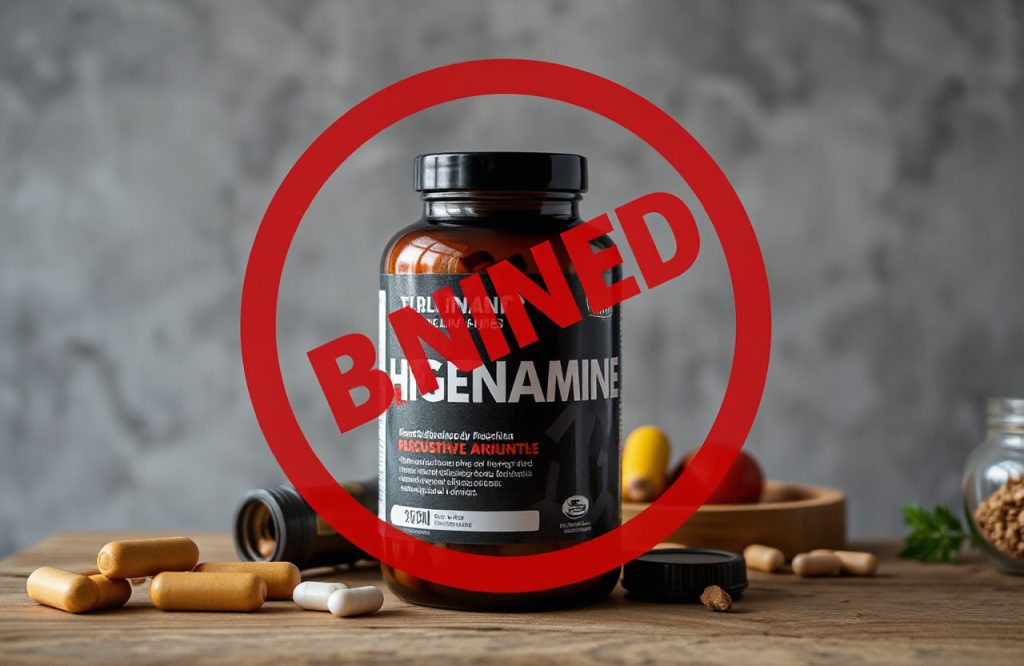
Study on Higenamine in Sports Supplements
Overview of Dietary Supplements
A recent study evaluated the presence and quantity of higenamine in sports supplements sold in the United States prior to its prohibition by the World Anti-Doping Agency (WADA). The market is flooded with various dietary supplements, including those aimed at weight loss and athletic performance. However, dietary supplements are linked to an estimated 23,000 emergency department visits annually in the United States, raising concerns about which ingredients may pose the highest risks to consumers.
Prevalence of Harmful Ingredients
Recent research has identified the presence of various stimulants, anabolic steroids, and selective androgen receptor modulators in dietary supplements. Naturally occurring stimulants, such as caffeine and yohimbine, commonly found in weight loss and sports products, may also present health risks when consumed in excessive amounts.
Higenamine: A Prohibited Stimulant
Higenamine, a stimulant that acts similarly to caffeine, was banned from sports in 2017 by WADA. This naturally occurring compound is derived from several Asian plants and is frequently included in sports supplements. Higenamine is known to temporarily elevate energy levels and alertness by increasing heart rate and blood pressure.
Health Risks Associated with Higenamine
Higenamine is present in numerous over-the-counter dietary supplements in the United States. In recent years, the U.S. Food and Drug Administration (FDA) has received reports of adverse effects linked to supplements containing higenamine. The health risks associated with higenamine consumption remain poorly understood. Clinical trials conducted in China aimed to evaluate its effectiveness for treating heart conditions, indicating that while higenamine consistently elevates heart rate, the degree of this effect varies.
Athletes’ Claims of Unawareness
Following the prohibition of higenamine, several athletes have faced sanctions for its use, claiming they unknowingly consumed it through their supplements. A joint independent study conducted by researchers in the U.S. and the Netherlands explored dietary supplements that listed higenamine as an ingredient prior to its ban. The study aimed to assess the presence and quantity of higenamine in these products, with findings published in Clinical Toxicology.
Findings from the Study
All 24 supplements analyzed in the study indicated the presence of higenamine or its synonyms in their ingredients. The testing was performed by NSF International, Harvard Medical School, and the Netherlands’ National Institute for Public Health and the Environment (RIVM). Most products were marketed as weight loss or energy/sports supplements, with two lacking any indication of intended use.
Labeling Inaccuracies
The study revealed that higenamine levels ranged from trace amounts to 62 mg per serving. If consumers adhered to the recommended serving sizes, they could ingest up to 110 mg of higenamine daily. Only five products accurately listed the higenamine content, and none provided correct labeling. The actual higenamine levels found ranged from less than 0.01% to 200% of what was stated on the labels.
Conclusion and Health Implications
The study confirmed the actual higenamine content in several dietary and sports supplements. While ongoing research in China is investigating higenamine’s potential uses in heart stress testing and treatment, typical dosages in these studies range from 2.5 to 5 mg. In contrast, the study indicated that consumers might be consuming up to 110 mg daily, raising concerns about potential health risks associated with these higher dosages. Given WADA’s ban, higenamine consumption poses significant risks to competitive athletes’ careers.
Unpredictability of Higenamine Levels
As higenamine is a natural component found in various dietary and sports supplements, the amounts present in products can be unpredictable. Researchers suggest that the FDA should finalize its draft guidance on new dietary ingredients to help mitigate higenamine consumption.
Reference
Pieter A. Cohen, John C. Travis, Peter H. J. Keizers, Frederick E. Boyer & Bastiaan J. Venhuis (2018): The stimulant higenamine in weight loss and sports supplements, Clinical Toxicology, doi: 10.1080/15563650.2018.1497171.