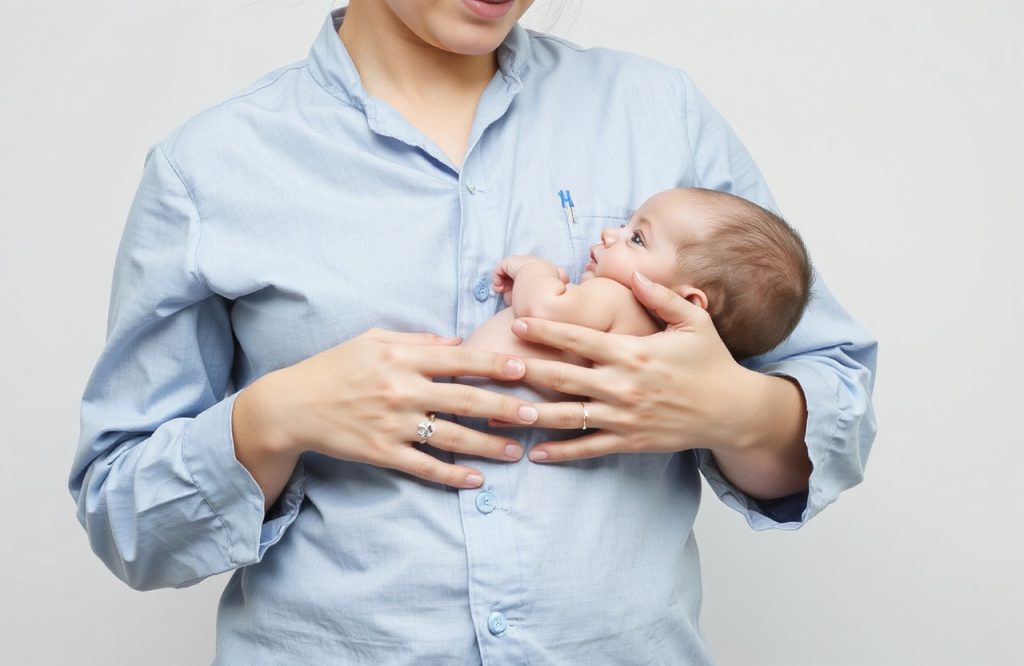
Impact of Body Image on Breastfeeding Initiation and Maintenance
Study Overview
A recent study has highlighted that women with a negative body image are less likely to start and continue breastfeeding compared to those with a more positive self-image. The research also identified that a woman’s education level significantly influences her ability to maintain breastfeeding.
Benefits of Breastfeeding
Breastfeeding is recommended for infant nutrition for the first six months, offering numerous advantages over formula feeding. These benefits include a reduced risk of respiratory and gastrointestinal infections, inflammatory bowel disease, celiac disease, allergies, obesity, childhood leukemia, lymphoma, diabetes, and decreased rates of overall infant mortality. Additionally, studies indicate that breastfeeding can help mothers lose weight more quickly, lower the likelihood of experiencing postpartum depression, and reduce long-term risks of ovarian and breast cancer.
Breastfeeding Statistics in Canada
According to Statistics Canada, while 89% of Canadian mothers initiate breastfeeding, only 26% exclusively breastfeed for the recommended six months. Further research shows that women who are obese or overweight are less likely to initiate or continue breastfeeding compared to their healthy-weight counterparts.
Challenges Faced by Obese Women
Obese women may encounter various physical challenges that hinder breastfeeding, such as delayed lactation onset, difficulty positioning the baby for feeding, and higher rates of cesarean deliveries. However, the psychological factors, including body image and overall well-being, have not been extensively studied in relation to breastfeeding maintenance.
Details of the Study
Published in the British Journal of Health Psychology, the study examined 70 obese and 70 healthy-weight mothers shortly after birth and again at six to eight weeks postpartum. It aimed to explore the relationship between breastfeeding maintenance and women’s perceptions of their bodies, as well as the influence of socioeconomic status, determined by education levels, and postpartum psychological distress.
Participants were recruited between January 2011 and March 2013. Eligible women were over 18 years old, had given birth to a single baby with a normal gestation period, initiated breastfeeding at the first feed, and had a Body Mass Index (BMI) either in the healthy range (18.5 to 25 kg/m2) or classified as obese (over 30 kg/m2). They completed questionnaires within 72 hours of delivery and again at six to eight weeks postpartum, assessing breastfeeding status, educational background, smoking habits, and delivery method.
To evaluate body image, participants rated their overall appearance and satisfaction with various body parts, including their face, hair, upper body, waist, stomach, and lower body. They also provided insights into how they and others perceived their weight. A separate questionnaire gauged levels of depression, anxiety, and sleep disorders to assess psychological distress.
Key Findings
The results indicated that women of healthy weight were more likely to exclusively breastfeed within 72 hours of birth and to maintain either exclusive or mixed breastfeeding at six to eight weeks postpartum compared to obese women. Additionally, obese women tended to have lower education levels and higher rates of cesarean sections. Education emerged as the most significant predictor, with women holding higher educational qualifications more likely to breastfeed at the follow-up.
All aspects of body image, except for the perceived importance of appearance, correlated with breastfeeding status at six to eight weeks postpartum. Logistical regression techniques were employed to assess how body image-related factors influenced the relationship between weight and breastfeeding outcomes. Satisfaction with various body aspects significantly contributed to this relationship.
Study Limitations and Implications
Notably, the study had limitations, including the lack of pre-pregnancy body image assessments and the exclusion of underweight and overweight women. Overall, the findings emphasize the need for heightened maternal awareness and the importance of addressing psychological and emotional issues to improve breastfeeding rates.
Conclusion
This study underscores the complex interplay between body image, education, and breastfeeding practices, suggesting that enhancing support for mothers in these areas may promote better breastfeeding outcomes.
Written By: Usha B. Nair, Ph.D.