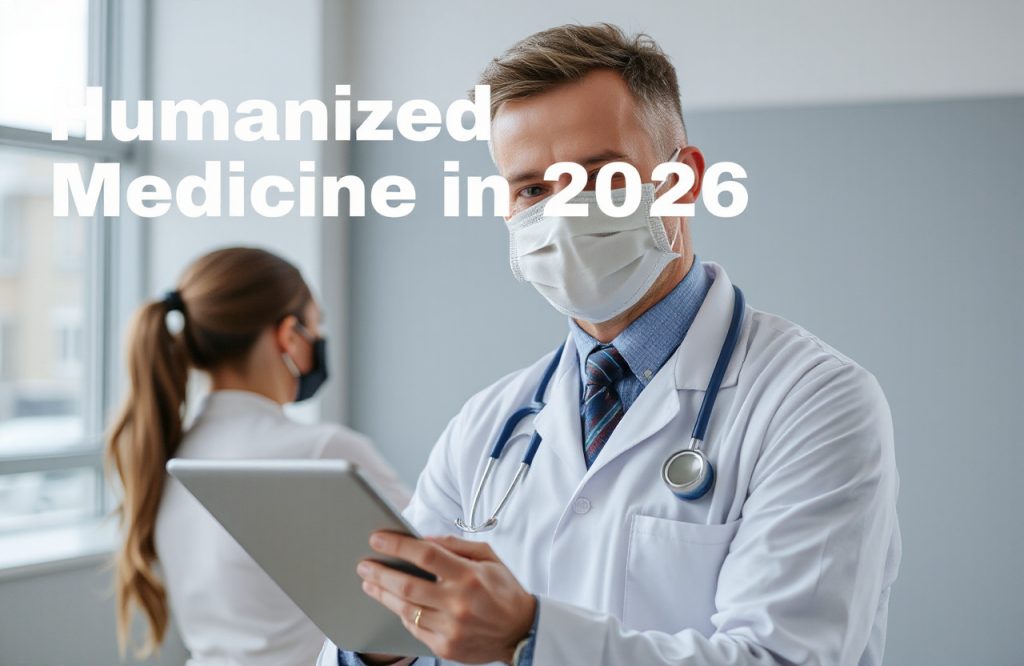
Advancements in Healthcare: A Balancing Act of Capability and Wisdom
Technological Expansion and Policymaker Challenges
As health systems globally enter a new year characterized by rapid technological advancement, escalating costs, and an aging population, a pressing question arises for policymakers and healthcare leaders: Is modern medicine progressing in wisdom at a pace that matches its capabilities?
The Historical Context of Medical Philosophy
Historically, medicine has reflected the philosophical frameworks of its time. In earlier centuries, philosophical thought dominated medical understanding, interpreting illness through concepts of destiny and meaning, influenced by thinkers such as Plato. While this era was intellectually rich, it often left patient suffering unaddressed, overshadowed by abstract ideals.
The Impact of the Scientific Revolution
The scientific revolution brought a transformative shift in medicine, emphasizing observation over speculation. Francis Bacon redefined knowledge as a practical tool aimed at alleviating human suffering. This transition laid the groundwork for modern healthcare, which is evidence-based, measurable, and increasingly effective.
Today’s Technological Landscape in Medicine
Presently, technology shapes the global medical landscape. Diagnostics have become more accurate, interventions more advanced, and clinical guidelines increasingly standardized across various countries and healthcare systems. By traditional metrics, the success of modern medicine has never been more apparent.
The Paradox of Medical Progress
Despite these advancements, an emerging paradox confronts health systems. While patients may survive, outcomes often fail to capture critical aspects of well-being. Issues such as loss of independence, cognitive decline, emotional instability, and diminished dignity frequently follow technically successful interventions, particularly for older adults and those with chronic conditions. These factors are seldom reflected in performance metrics but significantly influence the quality of post-treatment life.
Policy Reflection: The Importance of Measurement
Defining Values Through Measurement
The essence of humanized medicine does not dismiss science, technology, or guidelines; rather, it seeks to enhance them. Disease does not exist in a vacuum; it affects individuals with distinct values, priorities, social roles, and limitations. Addressing disease without considering its impact on the individual leads not to failure, but to an incomplete approach.
The Challenge in Aging Societies
This challenge is particularly evident in aging populations—a reality shared by countries across all income levels. As biological reserves diminish, medical interventions can have far-reaching consequences. Procedures that prolong life may inadvertently lead to increased dependency, while treatments that adhere to guidelines may clash with individual values or societal contexts.
Policy Implications: Navigating Decisions with Evidence and Judgment
Evolving Informed Consent
In this landscape, informed consent must evolve beyond mere legal compliance. It should become a process of alignment between clinical possibilities and personal objectives. Health policy must facilitate time, structure, and training for these crucial conversations, recognizing that ethical care serves as a safeguard against unintended harm, rather than a barrier to efficiency.
Integration of Technology and Ethical Considerations
Humanized medicine advocates for integration—not a retreat from technological advancements. It calls on health systems to pair technological excellence with ethical foresight and to balance population-level strategies with individual-level judgments. Policymakers are encouraged to prioritize outcomes that encompass dignity, autonomy, and functional independence alongside survival rates and cost-effectiveness.
Looking Ahead: The Future of Healthcare
Innovation with Compassion
As global health leaders strategize for the upcoming year, the choice is not between innovation and compassion. The pivotal decision lies in whether innovation will remain merely technically impressive or evolve into a more humane approach to healthcare.
Final Thoughts
Ultimately, the future of healthcare will be shaped not only by the capabilities of health systems but also by their ability to remember the individual behind the medical data they serve.