Research on Hyaluronic Acid Hydrogel for Intervertebral Disc Injury
Introduction to Chronic Low Back Pain
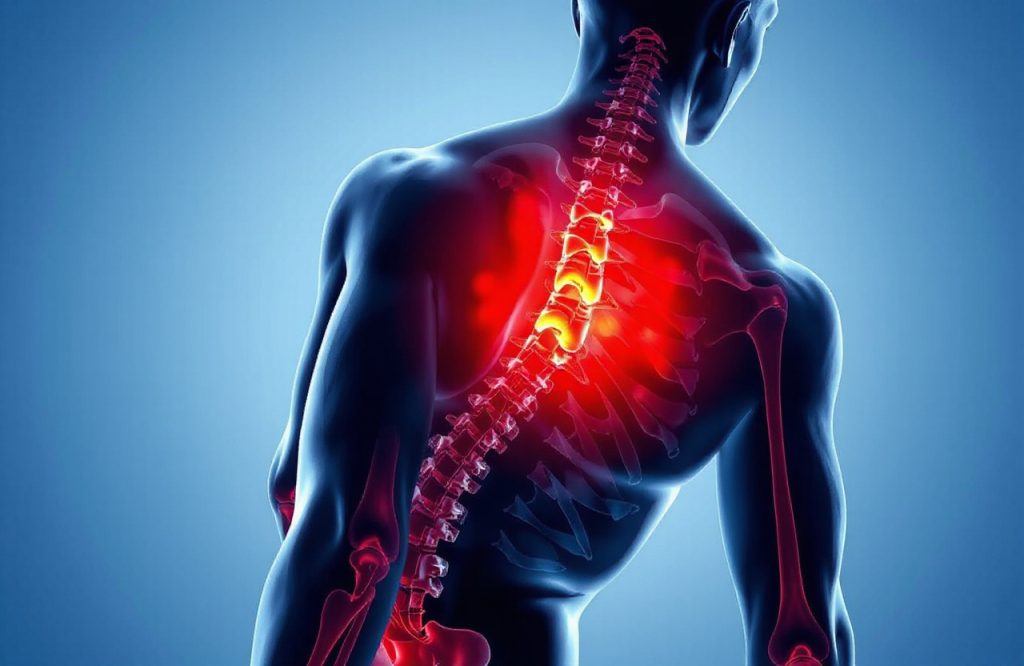
Chronic low back pain is a prevalent condition, with estimates indicating that 26-42% of cases stem from intervertebral disc injuries. The intervertebral disc, located between vertebrae, is primarily composed of fibrocartilage. It serves to separate the vertebrae, allowing for limited movement and providing shock absorption during various activities.
The Role of Hyaluronic Acid in the Intervertebral Disc
Following an intervertebral disc injury, hyaluronic acid—a natural component of the disc—breaks down into smaller molecules. This degradation can also occur progressively due to aging. Hyaluronic acid plays several critical roles within the intervertebral disc, including maintaining its structure and facilitating various cellular functions through interactions with proteins and receptors. However, the smaller fragments of hyaluronic acid are unable to perform these functions, leading to the release of inflammatory and pain mediators that contribute to pain associated with intervertebral disc injuries.
Investigating Hyaluronic Acid Hydrogel for Pain Relief
Recognizing the breakdown of hyaluronic acid and its association with inflammation and pain, researchers from Ireland and Japan aimed to explore whether a hyaluronic acid hydrogel could provide relief following intervertebral disc injuries. Their findings were published in *Science Advances*.
To test their hypothesis, the researchers created a pain model in rats by puncturing an intervertebral disc. They established that this model effectively mimicked intervertebral disc injuries in humans. The rats were divided into two groups: one group received hyaluronic acid hydrogel treatment at the injury site during the puncture, while the other group did not. The researchers monitored the rats for 29 days, assessing their responses to pain stimuli and measuring inflammatory and pain mediators at the injury site at the study’s conclusion.
Findings on Pain Reduction
The study revealed that the rats treated with hyaluronic acid hydrogel experienced reduced pain levels. Additionally, these rats exhibited fewer inflammatory and pain mediators compared to the control group. The researchers propose that hyaluronic acid could potentially serve as a therapeutic option for individuals suffering from back pain due to intervertebral disc injuries. Further development of the hydrogel may lead to its availability as an injectable treatment.
Study Limitations and Future Directions
While the results are promising, it is essential to note that this study was conducted in rats, which have a different spinal load distribution due to their quadrupedal locomotion. Therefore, additional research is necessary before this treatment can be recommended for human use. Nevertheless, the prospect of achieving pain relief from intervertebral disc injuries through a simple injection is an encouraging avenue for future exploration.
References
Isa I, Abbah S, Kilcoyne M, et al. Implantation of hyaluronic acid hydrogel prevents the pain phenotype in a rat model of intervertebral disc injury. *Sci Adv*. 2018;4(4):eaaq0597. doi:10.1126/sciadv.aaq0597.