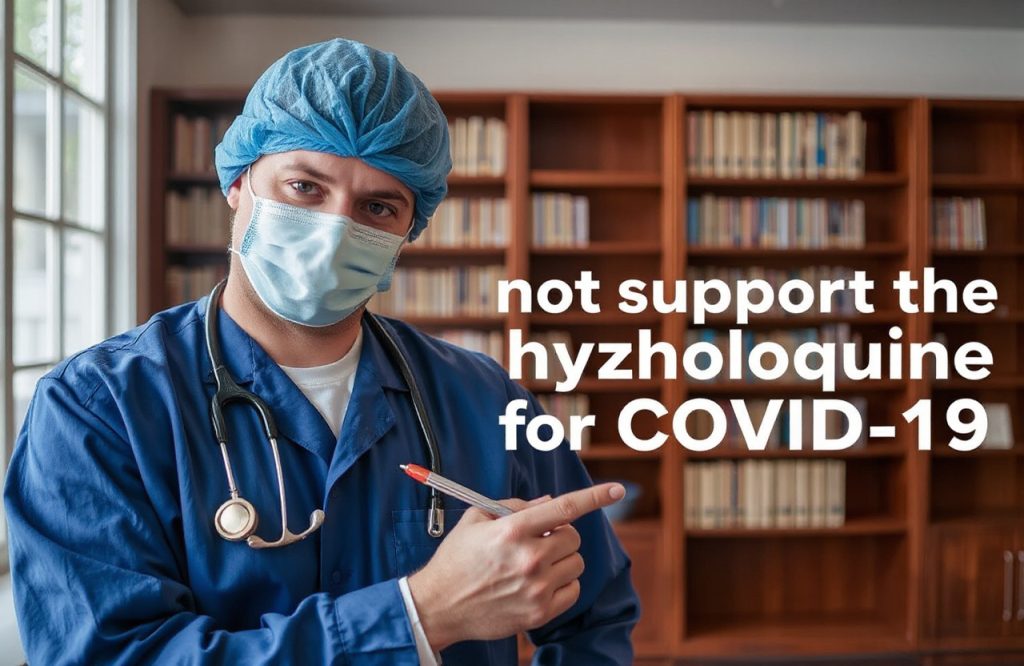
Investigation of Hydroxychloroquine and Favipiravir Against SARS-CoV-2
Need for Effective COVID-19 Treatments
The COVID-19 pandemic has highlighted an urgent requirement for effective drugs, therapies, and vaccines to safeguard the human population. Initially, one of the strategies employed was to explore the repurposing of existing licensed medications, such as hydroxychloroquine, for the treatment of COVID-19 patients.
Current Research Focus
Researchers are actively engaged in two primary areas of SARS-CoV-2 research: the development of vaccines to prevent infection and the evaluation of various drugs to determine their efficacy in reducing viral loads in infected individuals.
Preclinical Testing of Antiviral Effects
A team of virologists from the KU Leuven Rega Institute in Belgium conducted a preclinical investigation to assess the antiviral effects of hydroxychloroquine and favipiravir, both alone and in combination with azithromycin, using hamsters as test subjects. Their findings were published in the journal Proceedings of the National Academy of Sciences of the United States of America.
The study involved infecting hamsters with the SARS-CoV-2 virus through two methods: administering a high viral dose directly into their noses or placing a healthy hamster in a cage with an infected counterpart. The researchers examined various doses of favipiravir, initiating treatment one hour before direct infection or one day prior to exposure to an infected hamster. Four days post-infection or exposure, they assessed the viral load present in the hamsters.
Comparative Analysis: Hydroxychloroquine vs. Favipiravir
In their findings, treatment with low-dose hydroxychloroquine did not result in any reduction in viral levels among the infected hamsters. Conversely, low-dose favipiravir led to a slight decrease in virus levels. Notably, high doses of favipiravir produced a significant reduction in infectious virus titers in the lungs and considerably improved the lung condition of the hamsters. Additionally, favipiravir at high doses effectively decreased virus transmission through direct contact, a benefit not observed with hydroxychloroquine.
The research team concluded that the antiviral effects of favipiravir may only be realized at very high doses. In contrast, hydroxychloroquine is deemed unlikely to confer any clinical advantages in the battle against COVID-19. Further studies are needed to ascertain the efficacy and safety of similar high doses of favipiravir in human subjects.
Reference
Suzanne J F Kaptein, Sofie Jacobs, Lana Langendries, Laura Seldeslachts, Sebastiaan Ter Horst, Laurens Liesenborghs, et al. Favipiravir at high doses has potent antiviral activity in SARS-CoV-2-infected hamsters, whereas hydroxychloroquine lacks activity. Proc Natl Acad Sci USA. 2020 Oct 9, 2020; 114(41). doi: 10.1073/pnas.2014441117.
Image by Miguel Á. Padriñán from Pixabay.