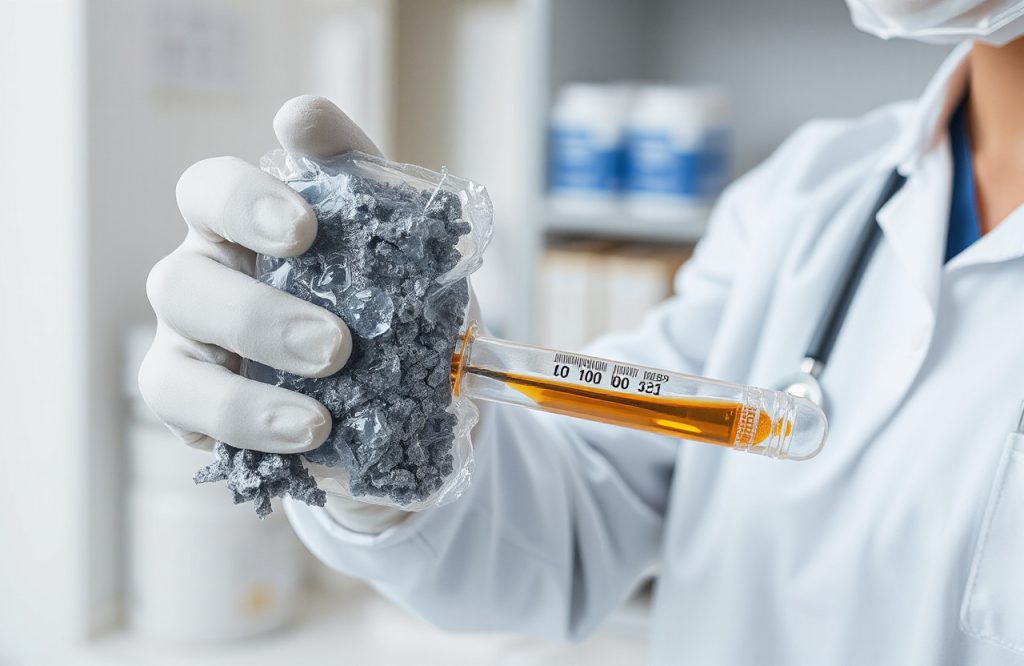
Understanding the Importance of Proper Medication Storage
The Risks of Improper Medication Use
It is widely recognized that medications prescribed for someone else should not be used by another individual. Additionally, expired medications can pose significant health risks. However, many people may not be aware that exposure to improper temperatures can also damage pharmaceutical treatments.
The Sensitivity of Medications to Temperature
Many medications are sensitive to temperature, requiring specific storage and transportation conditions to maintain their efficacy. If these conditions are not met, the medications can lose their effectiveness or, in some cases, become harmful to users. For individuals living in areas with frequent temperature fluctuations, it is advisable to regularly check essential medications for any signs of temperature damage.
Why Temperature Affects Medications
All medicines consist of chemicals that have been formulated in specific ways to address various health conditions. The temperature during drug formulation is crucial, as it aids in the correct bonding of chemicals and ensures that these bonds remain intact until the body processes the medication. However, when medications are exposed to varying environmental temperatures, molecular changes can occur, potentially reducing effectiveness or creating harmful compounds.
Medications Particularly Sensitive to Temperature
Not all medications are equally affected by temperature changes. Some, such as insulin and certain antibiotics, are particularly sensitive to heat and must be stored in refrigerated environments. Similarly, medications for managing blood pressure and heart disease should be kept in cool conditions to prevent the degradation of active ingredients.
Precautions Taken by Manufacturers and Distributors
Pharmaceutical manufacturers, shipping carriers, and pharmacies implement various measures to ensure medications remain within safe temperature ranges. Many medicines are transported in specialized refrigerated containers equipped with temperature monitoring devices, such as freeze indicators. Additionally, these medications are often packaged with insulating materials to stabilize temperature during transport.
Common Causes of Temperature-Related Damage
Despite these precautions, medications can still be damaged by temperature fluctuations. For instance, a power outage in a storage facility or a patient inadvertently leaving their medication in a hot car can compromise drug integrity. Therefore, it is essential for everyone to recognize the signs of temperature damage to avoid health risks and ensure access to safe medications.
Identifying Signs of Temperature Damage
Key Indicators of Medication Damage
There are several signs that indicate a medication may have suffered temperature-related damage:
– **Cloudiness**: Liquid medications may become cloudy, indicating possible potency loss, even if the cloudiness disappears.
– **Discoloration**: Any change in color may suggest exposure to extreme temperatures. Users should consult a pharmacist if unsure of the medication’s correct coloration.
– **Lumpiness**: Temperature fluctuations can cause medications to clump or change shape, and simply breaking up the lumps will not restore the drug’s original form.
Obtaining Replacement Medications
Patients can obtain replacement medications if their current supplies have been exposed to extreme temperatures. It is advisable to inspect medications at the pharmacy, where pharmacists can identify potential heat or cold damage and facilitate the replacement process. Alternatively, users can contact their health insurance provider or the medication’s manufacturer, who may provide replacements at no additional cost.
Strategies for Protecting Temperature-Sensitive Medications
Best Practices for Medication Storage
Protecting medications from extreme temperatures can be more complex than it appears. For individuals relying on temperature-sensitive drugs for their health, additional precautions may be necessary. Consider using insulated bags when traveling or opting for expedited shipping to reduce the risk of exposure to extreme temperatures during transport and storage.
Understanding Temperature Recommendations
Most importantly, users should familiarize themselves with the temperature recommendations for their medications. Regularly checking for signs of temperature damage is essential for ensuring the safety and effectiveness of medications.
Disclaimer
The editorial staff of Medical News Bulletin did not participate in the creation of this post. The views expressed in this sponsored post belong to the advertiser and do not represent those of Medical News Bulletin. Links to external websites are provided solely for convenience and do not imply endorsement. Medical News Bulletin is not responsible for the content of third-party sites and does not provide specific medical advice or diagnosis.