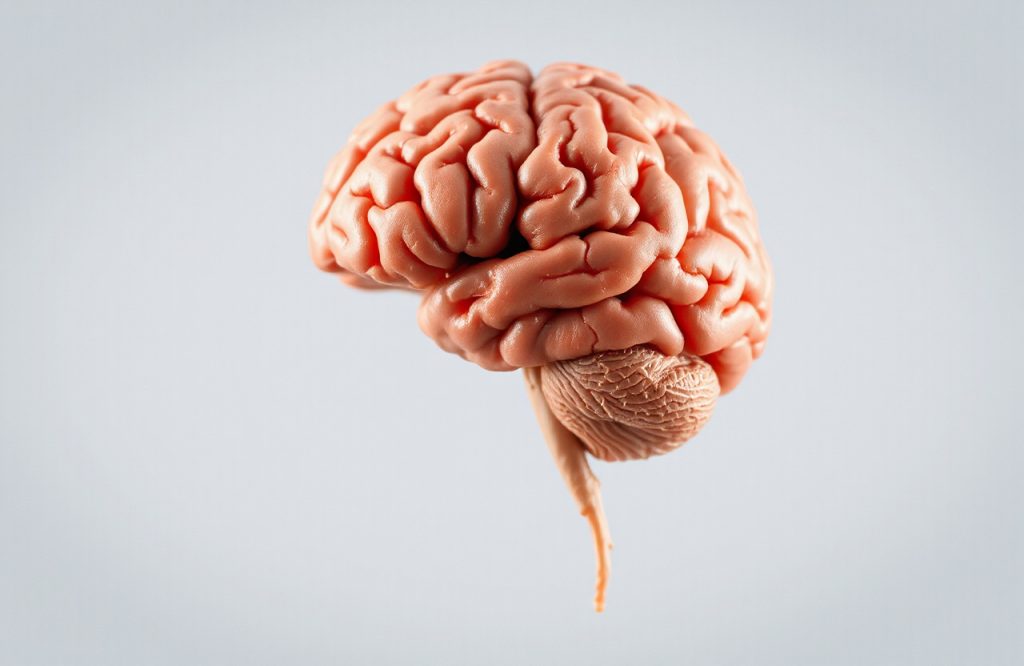
Impact of HIV on Aging and Brain Function
Introduction to HIV and Aging
As more individuals with HIV live longer, there is increasing interest in understanding how the virus influences the aging process. A long-term study conducted in the United States revealed that HIV-infected men experience an unexpectedly pronounced impact of aging on certain aspects of brain function, particularly in those with advanced-stage HIV.
Understanding HIV and Its Progression
Human Immunodeficiency Virus (HIV) targets CD4 T-cells, crucial components of the immune system. Without treatment, HIV can lead to acquired immunodeficiency syndrome (AIDS), leaving individuals susceptible to infections and certain cancers. Initially identified in the early 1980s, HIV was poorly understood, and effective treatments were unavailable. Consequently, most HIV-positive individuals progressed to AIDS and faced a shortened lifespan.
The advent of antiretroviral therapy (ART) in the 1990s significantly improved the prognosis and life expectancy for those infected with HIV. This shift has resulted in an aging population of HIV-positive individuals in the United States.
Research on HIV and Aging Processes
Extensive research has focused on how HIV infection affects the aging process. Numerous studies indicate that older age correlates with a heightened risk of HIV-associated cognitive disorders, such as dementia and cognitive impairment. However, findings have been inconsistent, with some studies failing to consider other influencing factors, including substance abuse, depression, and comorbid medical conditions.
Recent Study Findings
A recent study published in The Lancet aims to address some of the inconsistencies in previous research. The Multicenter AIDS Cohort Study, a long-term investigation of HIV’s natural and treated history among bisexual and homosexual men, provided data for this analysis. Researchers examined the effects of aging, HIV infection stage, and their interaction on various aspects of brain function.
The study analyzed over 5,000 participants across more than 47,000 clinic visits, with approximately half being HIV-positive and the other half HIV-negative control subjects. HIV-positive individuals were categorized into three stages: (A) asymptomatic, (B) early symptomatic, and (C) late symptomatic or AIDS, along with a control group of HIV-negative participants.
Participants underwent neuropsychological assessments targeting different cognitive functions. The researchers statistically analyzed the test results, comparing them across various age groups and HIV stages while considering the duration of infection and other potential cognitive influencers.
Key Findings on Brain Function
As anticipated, the analysis revealed significant negative impacts of aging on all brain function tests. Additionally, adverse effects were observed in relation to the HIV stage. Notably, the interaction between age and HIV infection produced significant negative effects on two specific cognitive functions: episodic memory (the ability to recall past events) and motor function (the coordination of body movements).
These findings suggest that these cognitive areas are particularly vulnerable to impairment due to aging in individuals with HIV. The observed dysfunction exceeds what would typically be expected, indicating potential damage to brain regions associated with these functions, namely the hippocampus (involved in episodic memory) and basal ganglia (related to motor function), corroborated by other studies.
Recommendations for Older HIV-Positive Individuals
The researchers advocate for regular brain function assessments in older individuals living with HIV, particularly focusing on tests related to episodic memory and motor function.
Conclusion
This research underscores the importance of understanding the interplay between HIV and aging, particularly regarding cognitive health. Continued investigation and monitoring are essential for improving the quality of life for older adults living with HIV.
Written by Julie McShane, Medical Writer
Reference: Goodkin K, Miller EN, Cox C, et al. Effect of ageing on neurocognitive function by stage of HIV infection: evidence from the Multicenter AIDS cohort study. The Lancet. Published online July 14, 2017. http://dx.doi.org/10.1016/S2352-3018(17)30098-X.