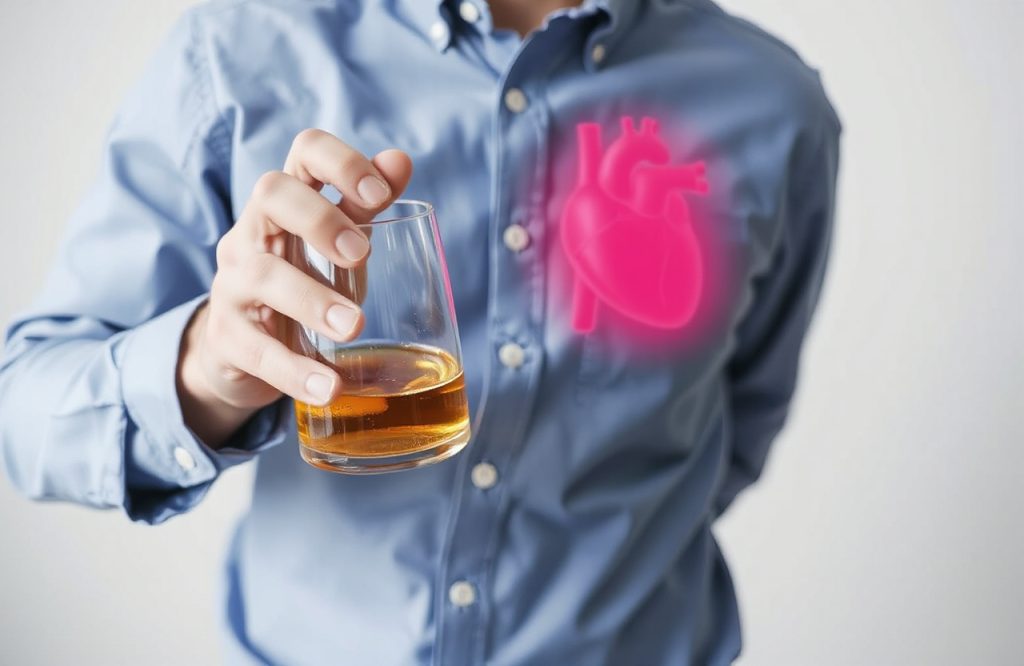
Is It Safe to Have a Drink After a Diagnosis of Heart Failure?
Overview of Heart Failure and Alcohol Research
Recent research published in JAMA Network Open examined the relationship between alcohol consumption and heart failure. Heart failure currently affects approximately 26 million individuals globally, and its prevalence remains a concern. The complexity of the relationship between alcohol and heart failure has not been extensively studied, particularly regarding the safety of alcohol consumption for patients newly diagnosed with the condition.
Study Design and Methodology
Researchers from the Washington University School of Medicine in the United States conducted a study focusing on the impact of alcohol on survival among older adults diagnosed with heart failure. They utilized data from the Cardiovascular Health Study, which was conducted between June 1989 and June 1993 at four different locations in the U.S.
For this analysis, the researchers assessed data from 393 adults aged 65 and older who had recently received a heart failure diagnosis. These participants were initially evaluated in June 1989 and followed up annually for nine years. The study aimed to investigate the connection between alcohol consumption and lifespan from the point of diagnosis until the last follow-up or death.
Participants were categorized based on their alcohol consumption during their first visit: non-drinkers, former drinkers, low-moderate drinkers, and moderate-heavy drinkers. Former drinkers were excluded from trend analyses to focus on the impact of alcohol on those who consumed it as opposed to those who abstained.
Findings on Alcohol Consumption and Lifespan
The study revealed that individuals categorized as low-to-moderate drinkers had a significantly longer lifespan following their heart failure diagnosis compared to non-drinkers. The research suggested potential benefits from low-to-moderate alcohol consumption, such as the ability to increase “good cholesterol” and improve insulin sensitivity.
Study Limitations
Despite these findings, several limitations were noted in the study. Only a single measurement of alcohol consumption was assessed, no information was available regarding the specific causes of heart failure among participants, and the representation of moderate-to-heavy drinkers was limited (only 4.3%).
Implications for Patients with Heart Failure
The researchers expressed optimism that the findings could assist healthcare professionals in advising heart failure patients about alcohol consumption. It is recommended that patients who did not consume alcohol before their diagnosis should not start drinking.
Expert Commentary on Alcohol Consumption
In a recent press release, Dr. David L. Brown, the senior author of the study, stated, “People who develop heart failure at an older age and never drank shouldn’t start drinking. But our study suggests people who have had a daily drink or two before their diagnosis of heart failure can continue to do so without concern that it’s causing harm. Even so, that decision should always be made in consultation with their doctors.”
Conclusion
The results of this study provide encouraging news for individuals who have recently been diagnosed with heart failure. The researchers concluded that limited alcohol consumption among older adults with a prior drinking history may offer survival benefits compared to complete abstinence.
References
Sadhu J, Novak E, Mukamal K et al. Association of Alcohol Consumption After Development of Heart Failure With Survival Among Older Adults in the Cardiovascular Health Study. JAMA Netw Open. 2018;1(8):e186383. doi:10.1001/jamanetworkopen.2018.6383
Savarese G, Lund L. Global Public Health Burden of Heart Failure. Card Fail Rev. 2017;03(01):7. doi:10.15420/cfr.2016:25:2