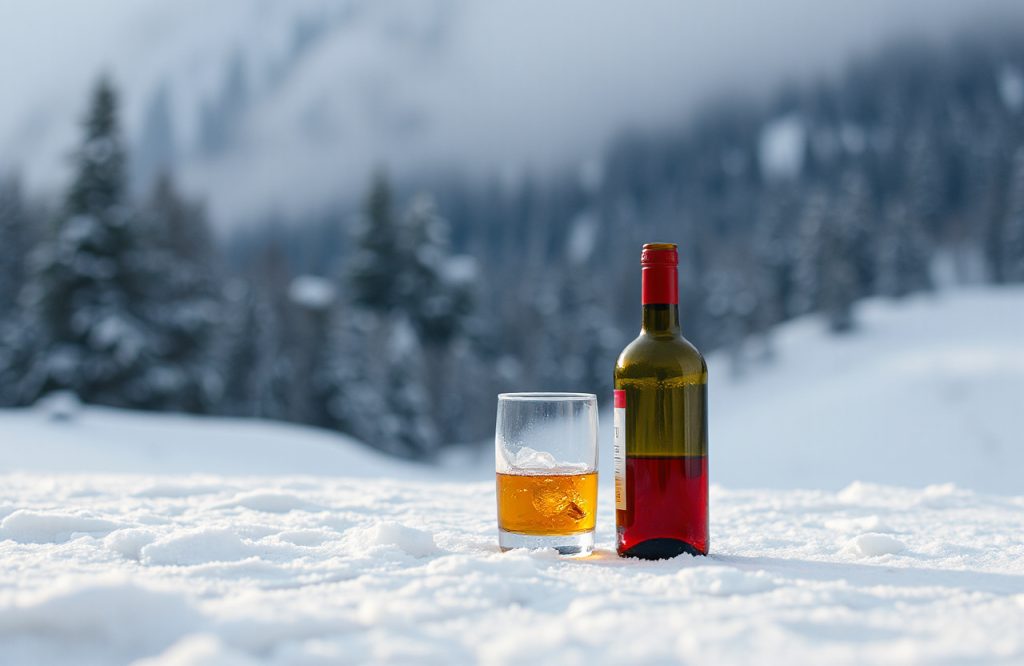
Study Explores Connection Between Cold Climates and Alcohol Consumption
Introduction
A recent study delves into the relationship between cold, dark climates and levels of alcohol consumption and liver disease. For years, it has been widely believed that individuals living in colder regions with limited sunlight tend to consume more alcohol. However, this assumption has lacked scientific validation until now.
Research Background
Prolonged excessive alcohol intake is known to harm the liver, potentially leading to alcoholic liver disease and liver cirrhosis. Researchers from the University of Pittsburgh aimed to examine whether climate influences alcohol consumption and liver disease rates. Their findings were recently published in the journal Hepatology.
Methodology
The research involved data collection from 193 countries, with a more detailed analysis conducted within the United States, encompassing all 50 states and 3,144 counties. Data sources included the World Health Organization, World Meteorological Organization, and the Institute on Health Metrics and Evaluation. The study assessed climate metrics such as average annual sunshine hours and temperatures, alongside alcohol-related data including consumption levels, drinking behaviors, and prevalence of alcohol-related liver cirrhosis. Additionally, the researchers gathered information on health indicators like obesity rates, smoking prevalence, and viral hepatitis, as well as local alcohol consumption laws and societal attitudes toward drinking.
Key Findings
Statistical analysis of the global data revealed that as average annual temperatures and sunshine hours decreased, alcohol consumption increased. This trend was accompanied by higher rates of binge drinking and a greater proportion of drinkers within the population. The incidence of alcohol-related liver cirrhosis also rose in colder, darker climates. Similar patterns were noted in the detailed U.S. data, and these relationships persisted even after accounting for variables such as alcohol laws and social attitudes.
Considerations and Implications
The researchers acknowledged the possibility of additional unknown factors influencing drinking behavior. Alcohol’s physiological effects, such as dilating blood vessels and increasing blood flow to the skin, may contribute to the perception of warmth, thereby encouraging consumption in colder climates. Additionally, the link between drinking and depression, which often spikes in dark, cold weather, was noted. However, the researchers emphasized that observational studies cannot definitively establish a causal relationship between climate and alcohol consumption, indicating a need for further research.
Conclusion
This study offers observational support for the long-standing belief that alcohol consumption and alcohol-related liver disease are more prevalent in colder, darker climates. The researchers recommend that policy initiatives aimed at reducing excessive drinking should focus particularly on these geographic regions.
References
Ventura-Cots M, Watts AE, Cruz-Lemini M, et al. Colder weather and fewer sunlight hours increase alcohol consumption and alcoholic cirrhosis worldwide. Hepatology 2018 Accepted for Publication. Doi: 10.1002/hep.30315
Press release: Colder, darker climates increase alcohol consumption and liver disease. University of Pittsburgh Schools of the Health Sciences. https://www.eurekalert.org/pub_releases/2018-11/uops-cdc102618.php