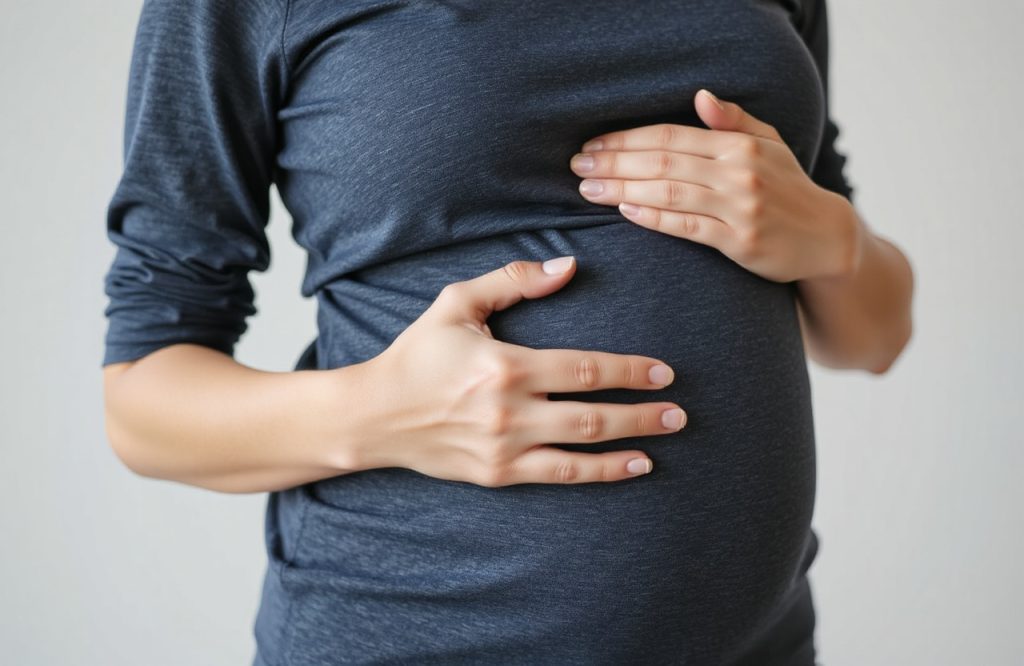
Impact of Exercise During Pregnancy on Fetal Heart Health
Introduction to the Study
A recent study published in PLOS ONE investigated how exercise during pregnancy influences the heart health of fetuses. With global obesity rates on the rise, the implications of maternal obesity, particularly during pregnancy, have become a significant concern. Obese women not only face health challenges but also elevate the risk of heart defects and cardiovascular issues in their children later in life.
Research Background
While expecting mothers are often encouraged to maintain an exercise routine for their own health, research focusing on the effects of maternal exercise on fetal cardiovascular health remains limited. To address this gap, a team of researchers from Norway conducted a study involving pregnant women to analyze the impact of exercise on their children’s heart health, with their findings recently published in the journal PLOS ONE.
Study Design and Participants
The study recruited pregnant women aged 18 and older, who were between 11 to 14 weeks gestation. Participants were classified as either obese or of normal weight, based on their body mass index (BMI). Obese women had a BMI of at least 28 kg/m² prior to pregnancy, while those with normal weight had a BMI ranging from 18.5 kg/m² to 25 kg/m². Women with serious health conditions or those who exercised regularly before the study were excluded.
Exercise Group vs. Control Group
Participants identified as obese were randomly assigned to either an exercise group or a control group. The exercise group engaged in a combination of strength training and moderate endurance exercises, totaling 60 minutes under supervision, along with an additional 50 minutes of at-home exercise each week until delivery. In contrast, the control group continued standard pregnancy care without additional exercise interventions.
Evaluating Cardiac Health
Pediatric cardiologists conducted echocardiography assessments to evaluate the heart health of the newborns shortly after birth and again at six to eight weeks postpartum. The results revealed that seven infants born to obese mothers exhibited heart defects, including a thickened heart wall; however, these conditions resolved on their own by the age of three.
Findings on Cardiac Function
While babies born to obese mothers who engaged in exercise displayed slightly improved cardiac function compared to those who did not, the differences were not statistically significant. Overall, these infants still demonstrated reduced heart function in comparison to infants born to mothers of normal weight.
Conclusion and Future Directions
Although the study concluded that exercising during pregnancy has minimal impact on newborn heart health, maternal obesity continues to be a pressing issue. Future research should explore the effects of pre-pregnancy exercise on fetal heart health and consider long-term follow-ups to assess the cardiovascular outcomes for these children as they grow.
Reference
Nyrnes, S.A., Garnæs, K.K., Salvesen, Ø., Timilsina, A.S., Moholdt, T., & Ingul, C.B. (2018). Cardiac function in newborns of obese women and the effect of exercise during pregnancy. A randomized controlled trial. PLoS ONE, 13(6). https://doi.org/10.1371/journal.pone.0197334
Author
Written by Monica Naatey-Ahumah, BSc