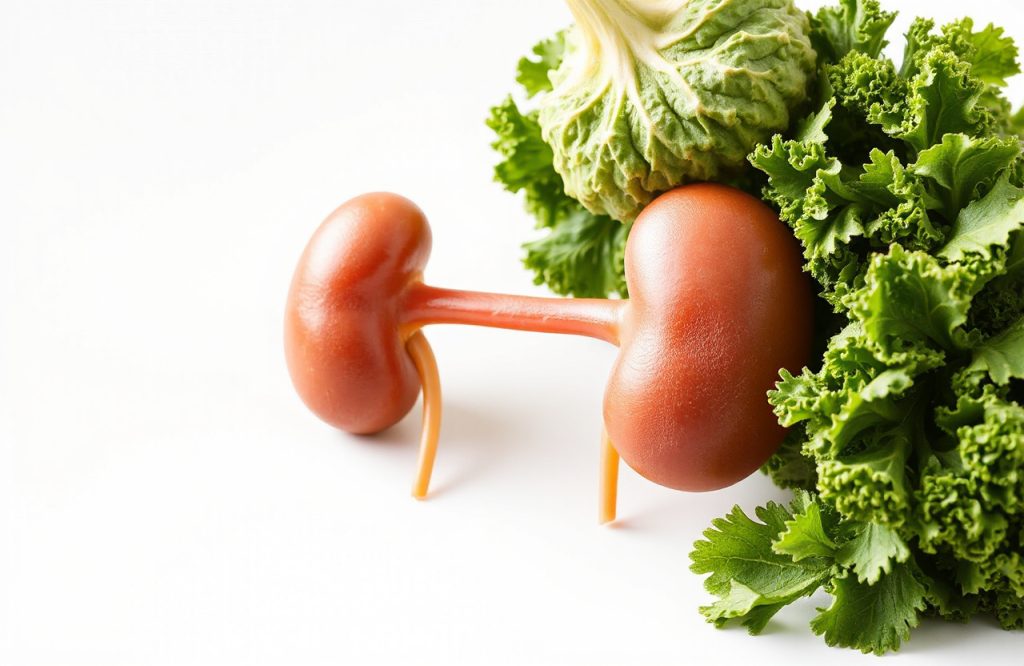
Study Examines the Impact of Whole Grains, Fruits, and Vegetables on Kidney Function
Background on Chronic Kidney Disease
Chronic Kidney Disease (CKD) is a significant global health issue commonly linked to high blood pressure and diabetes. CKD can result in cardiovascular complications and even mortality. Previous studies have indicated that a diet rich in whole grains, fruits, and vegetables may lower the risk of diabetes, suggesting these food groups could play a role in reducing kidney disease risk. Current findings also point to a potential relationship between coffee consumption, high beta-carotene diets, and lower sodium, cholesterol, and animal protein intake with reduced kidney failure risk. However, research outcomes have been inconsistent.
Overview of the Study
Researchers in the Netherlands conducted a pioneering longitudinal study to explore the relationship between specific food groups and kidney function, with findings recently published in the *British Journal of Nutrition*. This five-year study involved 3,787 predominantly healthy Dutch adults and tracked changes in kidney function while evaluating their intake of whole grains, fruits, and vegetables.
Methodology
Participants reported their food intake via questionnaires, while kidney function was assessed using the albumin-to-creatinine ratio (ACR) and the estimated glomerular filtration rate (eGFR). ACR was determined at the study’s conclusion through urine samples, indicating whether protein (albumin) was present, which could signal impaired kidney function. eGFR was monitored throughout the study to identify changes in kidney filtration efficiency over time.
In addition to dietary intake, participants provided information on physical activity, blood pressure, alcohol and coffee consumption, body mass index (BMI), education level, vitamin supplements, and regular intake of antioxidant-rich foods.
Study Findings
The results revealed no significant correlations between the intake of whole grains, fruits, and vegetables and ACR or eGFR. While there was a marginally lower likelihood of decreased eGFR rates associated with higher whole grain consumption, the findings were not statistically significant enough to form a conclusive outcome.
Despite the general association of these food groups with improved outcomes for individuals with diabetes, the study indicates that this might not apply to those with chronic kidney disease. Further research is necessary before drawing definitive conclusions.
Limitations and Future Directions
Several original participants who exited the study were older and less healthy, which may skew the results to reflect a younger and healthier population less at risk for CKD. Additionally, the study did not account for salt intake, a variable that could significantly impact kidney health. Moreover, participants’ dietary habits may have varied considerably over the five-year period, potentially explaining the lack of significant findings.
Moving forward, further investigations are needed to ascertain how dietary intake might influence renal function. Future studies could benefit from examining different food groups, including comparisons between meat and non-meat proteins, and dairy.
Conclusion
In summary, this study did not establish any significant benefits regarding improved kidney function from the consumption of whole grains, fruits, or vegetables.
Written by Elena Popadic
References
Herber-Gast, G., Boersma, M., Verschuren, W., Stehouwer, C., Gansevoort, R., Bakker, S., & Spijkerman, A. (2017). Consumption of whole grains, fruit and vegetables is not associated with indices of renal function in the population-based longitudinal Doetinchem study. *British Journal Of Nutrition*, 118(05), 375-382. http://dx.doi.org/10.1017/s0007114517001726