Impact of Maternal High-Fat Diet on Offspring Health
Study Overview
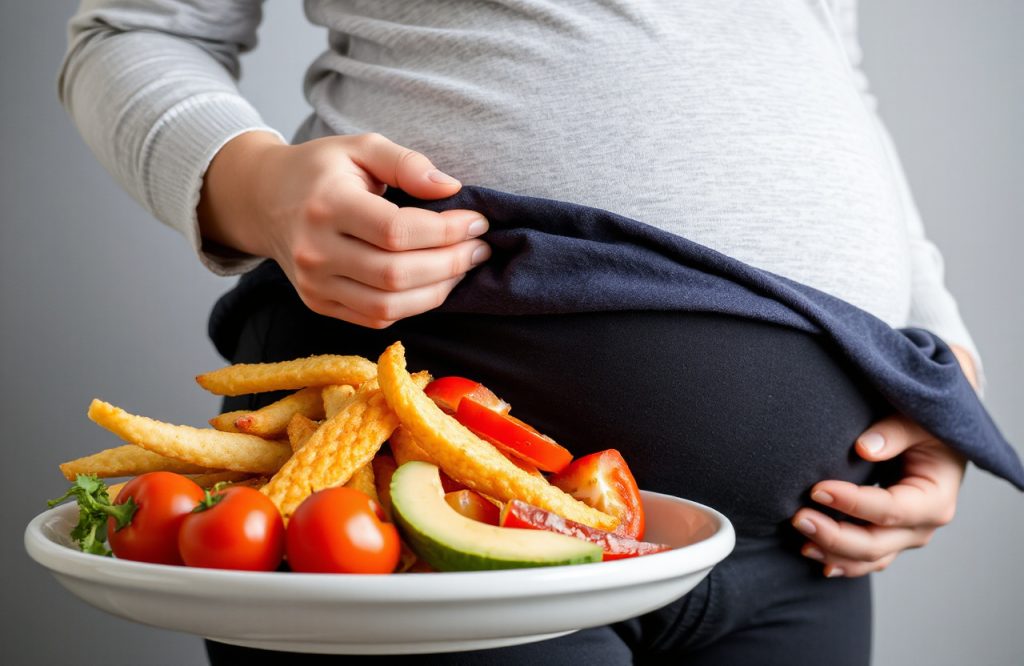
Keleher and colleagues investigated whether a high-fat diet during pregnancy influences the health and weight of offspring in later life. Recent research has increasingly emphasized that environmental and behavioral factors during an individual’s lifetime can significantly shape the health outcomes of their children. One mechanism underlying this phenomenon is DNA methylation, a process where specific molecules chemically modify DNA strands, affecting gene accessibility and expression.
Health Risks Linked to Maternal Diet
The implications of DNA methylation are particularly relevant in relation to conditions such as hypertension, cardiovascular diseases, obesity, and diabetes. It is known that DNA methylation patterns are frequently established in the fetus, making maternal dietary choices during pregnancy a critical factor in determining the DNA methylation landscape of their children. The interaction between a mother’s dietary responses and fetal development plays a significant role in this process.
Obese women face heightened risks of stillbirth and complications, including giving birth to babies with birth defects, increased body fat, or hormonal imbalances. Additionally, children born to obese mothers exhibit elevated risks of obesity, hypertension, high cholesterol, and insulin resistance, along with potential psychiatric and cognitive challenges. These risks often persist and intensify into adulthood. However, distinguishing whether these outcomes stem from maternal obesity and high-fat diets or from the social environments in which children are raised can be complex.
Research Methodology
To clarify the influence of maternal high-fat diets on offspring health, Keleher and colleagues from the University of Missouri conducted an experiment using mice. They bred mice with mothers on either a high-fat or low-fat diet and subsequently provided the offspring to low-fat diet mothers for nursing. After weaning, the young mice were offered either a high-fat or low-fat diet. The findings of this research were published in PLoS ONE.
Findings on Offspring Weight
The study revealed that offspring fed a high-fat diet after weaning were, on average, heavier than their counterparts who were not. This weight difference was notably more pronounced than the effects attributable to maternal diet. While maternal diet did influence the weight of female offspring, it did not significantly affect male offspring. Female mice whose mothers were on a high-fat diet were generally larger than those whose mothers followed a low-fat diet. Additionally, these offspring exhibited altered blood levels of hormones, fatty acids, and glucose, potentially due to changes in the expression of leptin, a hormone that regulates hunger.
Gene Expression and Immune System Effects
The research underscores that a maternal high-fat diet during pregnancy can amplify the impacts of a high-fat diet in offspring, especially among daughters. The study also found that maternal diet significantly altered the DNA methylation patterns of numerous genes and DNA regions linked to metabolism and immune system function, which are directly associated with diabetes and other health risks. Future research will aim to expand these findings across different mouse strains and explore various genetic modifications.
Conclusion
This investigation highlights the critical role of maternal nutrition on the long-term health of offspring, particularly in relation to obesity and metabolic disorders.
Reference
Keleher, Madeline Rose, et al. “Maternal high-fat diet associated with altered gene expression, DNA methylation, and obesity risk in mouse offspring.” PloS ONE 13.2 (2018): e0192606.