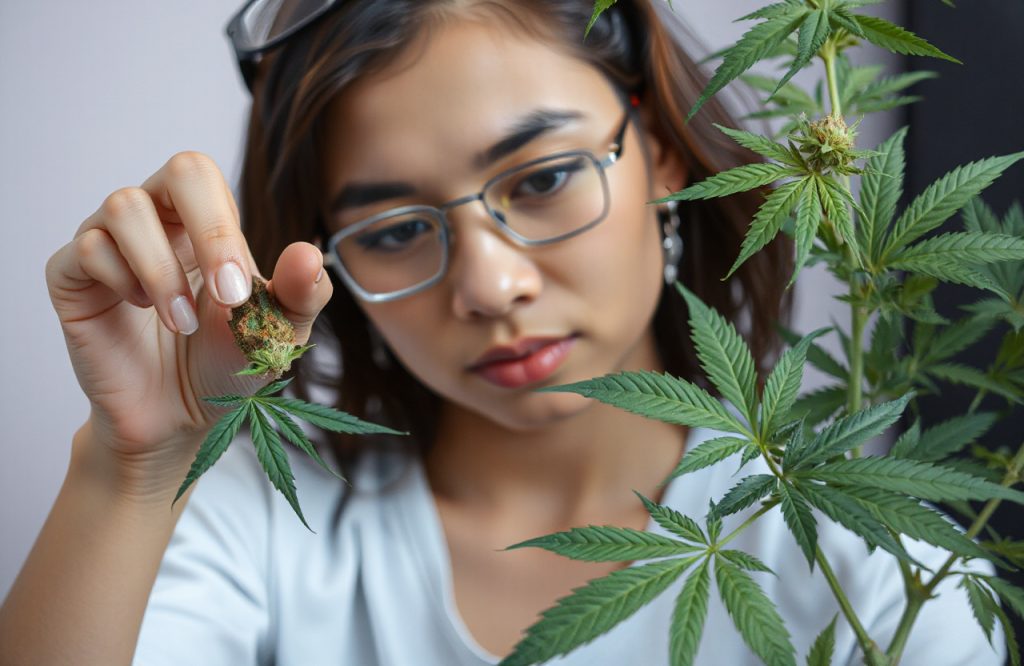
Impact of Marijuana Use on Teen Brain Volume: A Recent Study
Study Overview
A recent study published in the Journal of Neuroscience explored the implications of marijuana usage on brain volume in adolescents. As recreational marijuana becomes legalized in various states, reports indicate that approximately 35% of American teenagers have experimented with the substance. The research highlights that even minimal marijuana consumption can affect grey matter volumes in the adolescent brain.
Research Methodology
The study compared brain volume levels between two groups: teenagers who used marijuana and those who had not used it but started two years later. The researchers also aimed to determine whether grey matter volume (GMV) could predict behavioral traits in marijuana users compared to non-users. Notably, several brain regions exhibited increased GMV in those who used marijuana.
IMAGEN Study Recruitment
The IMAGEN study recruited 115 students from high schools across four European countries. Among them, 46 were identified as marijuana users at age 14, while 69 had not used the drug. The recruitment process was managed by eight study sites and required that all four grandparents of the students share the same nationality, ensuring a racially and ethnically homogenous sample.
Data Collection and Substance Use Assessment
Participants completed a questionnaire assessing their use of various substances, including alcohol, nicotine, marijuana, inhalants, cocaine, crack, and other illicit drugs, both at the start of the study (age 14) and during a follow-up two years later (age 16). Students reported the frequency of their substance use throughout their lifetimes.
Findings on Grey Matter Volume
The researchers observed significant increases in GMV in brain regions where cannabis binds, particularly in the amygdala and hippocampus. The amygdala is linked to emotional processing, such as fear, while the hippocampus plays a crucial role in memory and spatial abilities. Previous studies have also noted GMV increases in the amygdala and nucleus accumbens in adolescent marijuana users. However, the implications of these increases in brain volume remain uncertain.
Expert Commentary
Lead author Dr. Hugh Garavan commented on the findings, stating, “The implication is that this is potentially a consequence of cannabis use … you’re changing your brain with just one or two joints. Most people would likely assume that one or two joints would have no impact on the brain.” He emphasized that the adolescent brain undergoes a pruning process that typically results in thinning rather than thickening as it refines synaptic connections. The observed increase in brain volume among marijuana-using teens may indicate a disruption of this pruning process.
Study Limitations and Future Research
The study acknowledged several limitations, primarily its lack of diversity due to the homogenous sample. Additionally, researchers noted the absence of standardized dosing and mode of marijuana use among the participants. The combination of images from different sites and imaging platforms also posed challenges for data control. The authors emphasize the need for future research to reinforce the findings of this study.
References
Nachbur, J. (2019). Teen brain volume changes with small amount of cannabis use, study finds. Larner College of Medicine at the University of Vermont. Retrieved from https://www.eurekalert.org/pub_releases/2019-01/lcom-tbv011119.php
Orr, C., Spechler, P., Cao, Z., Albaugh, M., Chaarani, B., Mackey, S., . . . Garavan, H. (2019). Grey Matter Volume Differences Associated with Extremely Low Levels of Cannabis Use in Adolescence. Journal of Neuroscience. Retrieved from DOI:1523/JNEUROSCI.3375-17.2018