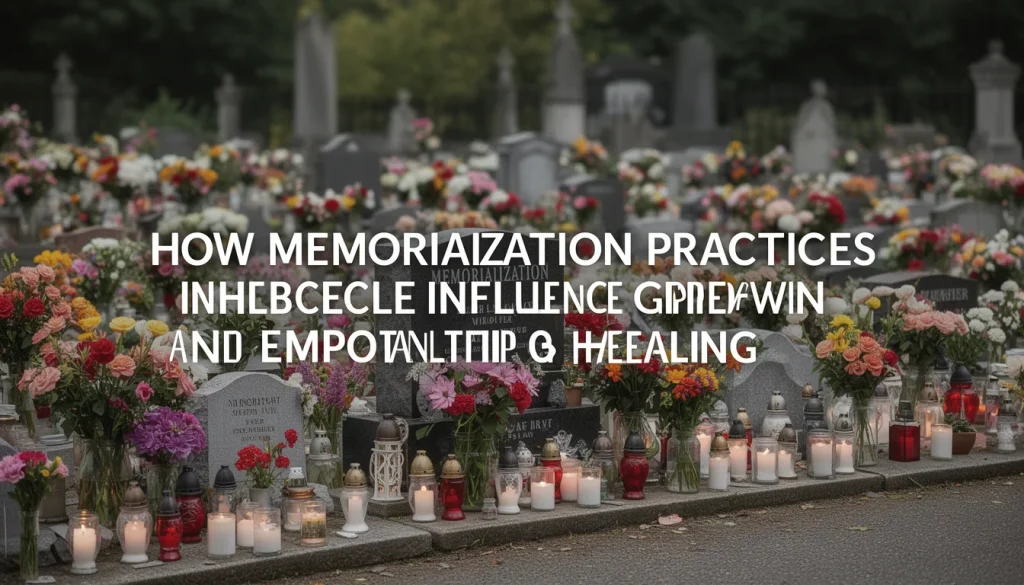
Why Grief Is a Natural, Adaptive Response
Grief as the price of attachment
We experience grief as the natural and universal response to losses of all kinds. That experience is not a malfunction; it is an expected consequence of attachment, love, and human connection. Recognizing grief as an adaptive process helps reduce fear around emotional reactions and assigns value to the full range of responses that accompany mourning.
From “getting over it” to ongoing adjustment
Older models of bereavement often framed recovery as a task to be completed—something to “finish” or “get over.” Contemporary conceptualizations instead emphasize adaptation. Emotions during grief can vary widely, from acute sadness and yearning to introspection, gratitude, and eventual acceptance. The American Psychological Association defines grief as “the pain of experiencing significant loss, most likely the death of someone you love,” and notes that diverse emotional responses can still represent healthy adaptation. Healing, therefore, is not synonymous with forgetting; it is the process of carrying the loss forward in a manner that supports emotional well-being.
The Role of Memorials in Emotional Adjustment
Physical memorials as tangible memory-keepers
Physical memorials—gravesites, markers, plaques, or other tangible signs—serve as visible manifestations of memory and identity. For many people, having a defined place to visit offers emotional footing during a period that feels uncertain. The presence of a physical memorial creates an anchor for reflection and an accessible location where stories can be told and memories can be sustained across generations.
Personalization and cultural meaning
Customizable options—ranging from engraved messages to symbolic elements and culturally meaningful design patterns—allow families to honor the individuality of the person who has died. Personal inscriptions and symbolic choices verify identity and communicate values, helping transform memory into an enduring narrative. These physical markers can therefore support transgenerational remembering and play a practical role in keeping a loved one’s life and character present within family stories.
How Memorials Support Meaning-Making
Constructing coherence from loss
The construction of meaning is widely regarded in bereavement literature as an integral component of adapting to loss. Memorials and acts of remembrance enable people to integrate the life, character, and accomplishments of the deceased into a broader story. Names, dates, inscriptions, and symbols help verify identity and codify relationships in ways that can convert diffuse grief into coherent memory.
Evidence that meaning-making aids adjustment
There is evidence from bereavement studies that engaging in meaning-making activities is associated with more favorable emotional experiences over time. By transforming memory into narrative—through personalized memorials or shared storytelling—people often find pathways to resilient coping. Memorialization can therefore function not only as homage but as a psychologically protective practice.
Rituals as Tools for Emotional Regulation
Predictability and structure in times of upheaval
Rituals—funerals, memorial services, anniversary observances, and smaller personal acts—provide structure at a time when life feels unpredictable. Repeated elements such as music, readings, prayer, or symbolic actions create patterns that can lessen emotional volatility. That predictability is psychologically meaningful: structured environments often support emotional regulation by offering clear frameworks for expression.
Small rituals, meaningful effects
Even modest, individual rituals—lighting a candle, visiting a gravesite on an anniversary, or observing a moment of silence—can supply emotional mooring. These acts offer predictable occasions to recall, reflect, and express feelings in contained ways, whether alone or with others.
Social Connection and Collective Healing
Shared remembrance strengthens bonds
Grief frequently draws families and communities closer. Memorial locations and communal rituals become focal points for collective memory—places where family members and friends convene to tell stories, exchange condolences, and maintain continuity. Visits tied to significant dates foster conversation and mutual contemplation, supporting both individual and group processes of coping.
Storytelling and legacy preservation
Storytelling is an ancient and enduring form of psychological repair. Sharing memories keeps a loved one’s presence alive within the family narrative and provides younger generations with a sense of continuity. Research into resilience highlights the protective role of social support: when people feel understood and connected, their capacity to cope with grief tends to increase.
Practical Considerations: Financial Accessibility and Reduced Stress
Practical choices affect emotional load
Logistical and financial realities influence emotional well-being during bereavement. The National Funeral Directors Association reports that funerals can pose substantial costs to families, and economic hardship can compound the mental load that accompanies loss. When families have access to options that align with both emotional goals and financial means, decision-making becomes more manageable and may reduce additional anxiety.
Affordable options and personalization
Affordable memorial options—such as customizable grave markers—allow families to pay homage in personalized, practical ways that respect both memory and budget. Having a range of choices can help people make informed decisions that reflect their values without creating undue financial strain.
Conclusion: Remembering as a Path to Resilience
Rituals of remembrance and tangible memorials do not eliminate grief; they support the adaptation that follows loss. Physical memorials provide grounding; rituals promote emotional regulation; shared remembrance strengthens social bonds; and accessible planning can reduce additional stress. Together, these practices help people find dignified places for loss within their lives—turning painful absence into a continuing relationship that fosters connection, meaning, and resilience.
Image by RDNE Stock project from Pexels
The editorial staff of Medical News Bulletin had no role in the preparation of this post. The views and opinions expressed in this post are those of the advertiser and do not reflect those of Medical News Bulletin. Medical News Bulletin does not accept liability for any loss or damages caused by the use of any products or services, nor do we endorse any products, services, or links in our Sponsored Articles.